Monday - Friday: 9.30 am to 6.00 pm, Saturday - By Prior AppointmentUnit 3, Wilmington Cl, Watford WD18 0AF
Home » News » Teaching, Learning and Fellowship in Sri Lanka: My SLAPRAS Congress Reflections
Teaching, Learning and Fellowship in Sri Lanka: My SLAPRAS Congress Reflections
Posted on: 3 Sep 2026
A memorable visit to Colombo and Kandy for the 2026 Annual Academic Sessions of the Sri Lanka Association of Plastic, Reconstructive and Aesthetic Surgeons (SLAPRAS)—combining multidisciplinary teaching, thoughtful debate, generous hospitality and an unforgettable encounter with Sri Lanka’s Buddhist and cultural heritage.
A warm welcome to Colombo
It was a genuine privilege to visit Sri Lanka as invited faculty for the 2026 Annual Academic Sessions of the Sri Lanka Association of Plastic, Reconstructive and Aesthetic Surgeons (SLAPRAS). Held in Colombo at the College of Surgeons of Sri Lanka, the congress brought together plastic surgeons, plastic surgery trainees, surgical trainees, general practitioners, medical officers and colleagues from related disciplines. Its theme—“Bridging the Gap: Enhancing Triage, Primary Care, and Timely Referrals in Plastic Surgery”—felt both timely and practical. From the moment I arrived, the hospitality extended by my Sri Lankan plastic surgery colleagues was second to none. The atmosphere was warm, collegial and intellectually generous. I thoroughly enjoyed sharing my own experience, but equally valued the opportunity to listen, learn and exchange ideas with colleagues working in a different healthcare setting. That two-way exchange is, for me, one of the great strengths of an international scientific meeting. Plastic surgery demystified
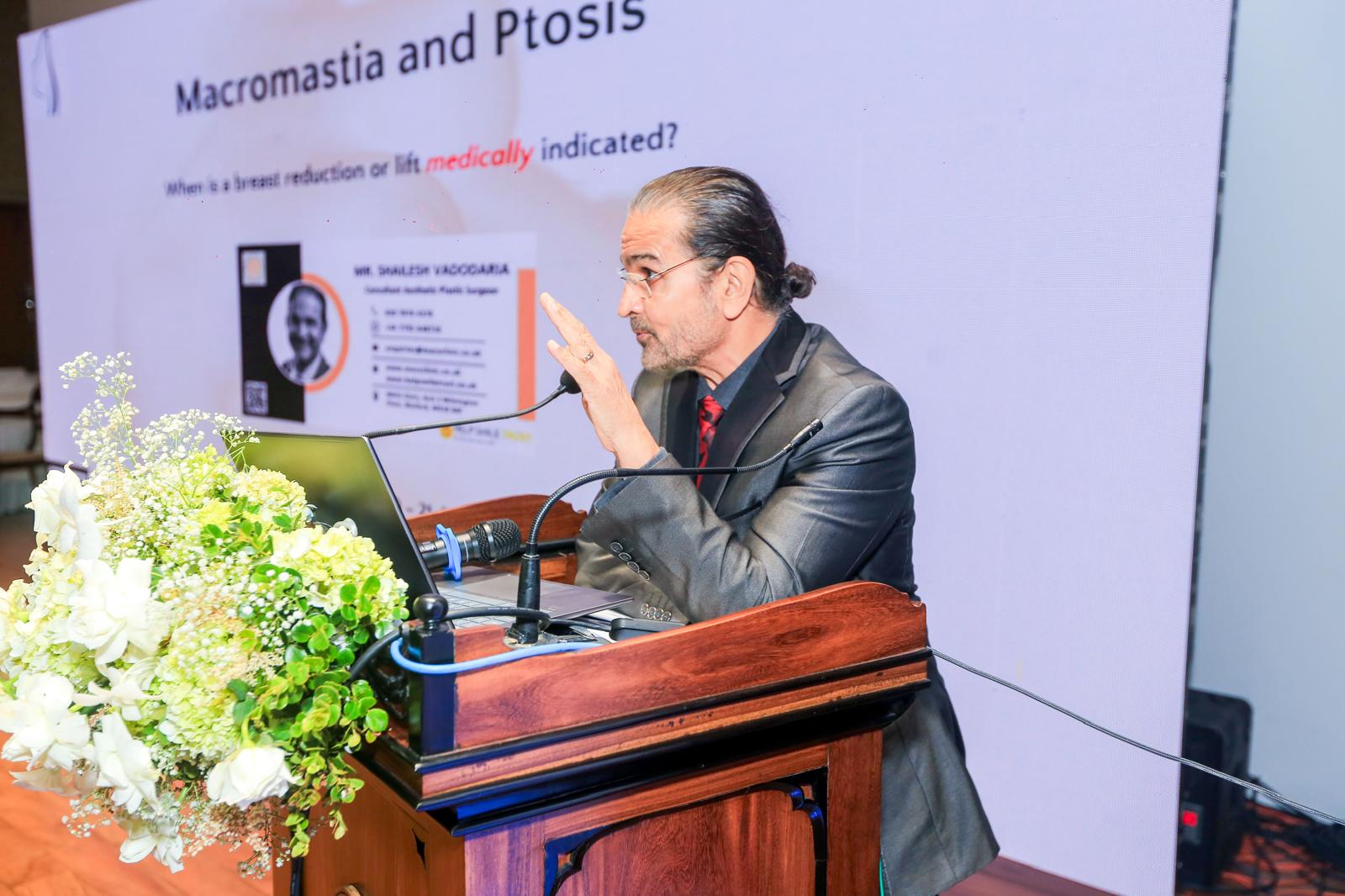
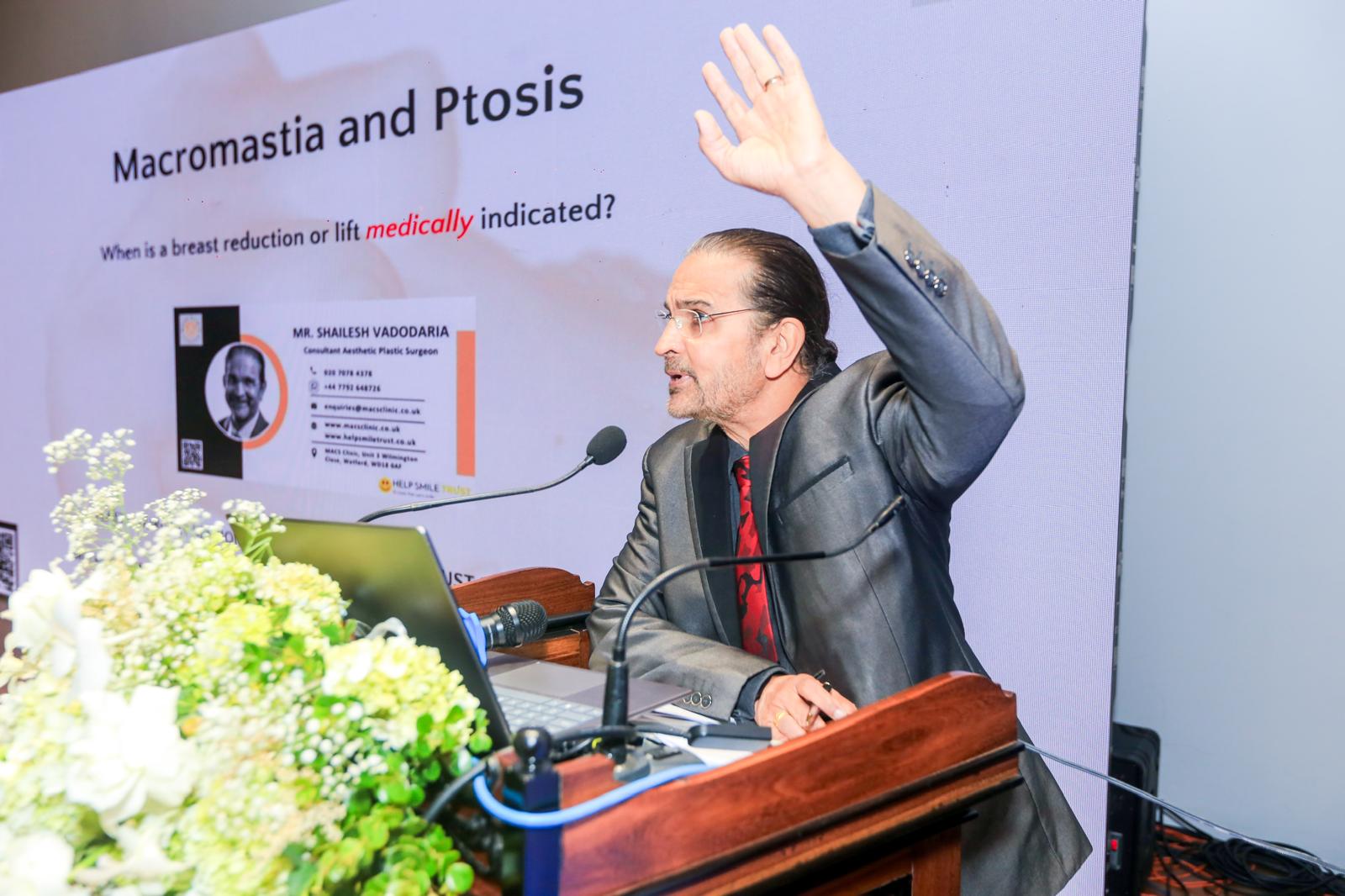
One of my plenary presentations, “Modern Plastic Surgery Demystified: Scope, Myths, and Realities,” explored the breadth of our specialty and the importance of appropriate patient selection, sound clinical judgement and timely referral. Plastic surgery is far more than an aesthetic discipline: it is concerned with restoring form, function, confidence and quality of life. This was especially relevant for the congress audience, which included many clinicians who may be the first point of contact for patients requiring specialist assessment. I also discussed the medical indications for breast reduction and breast lift. These procedures should not be viewed simply through the narrow lens of appearance. In appropriately selected patients, macromastia, ptosis and asymmetry may contribute to physical discomfort, functional limitation, difficulty with clothing and exercise, skin problems, psychological distress, impaired self-confidence and psychosexual concerns. Surgery can therefore have a meaningful therapeutic role, with aesthetic improvement forming part of a broader restoration of wellbeing.
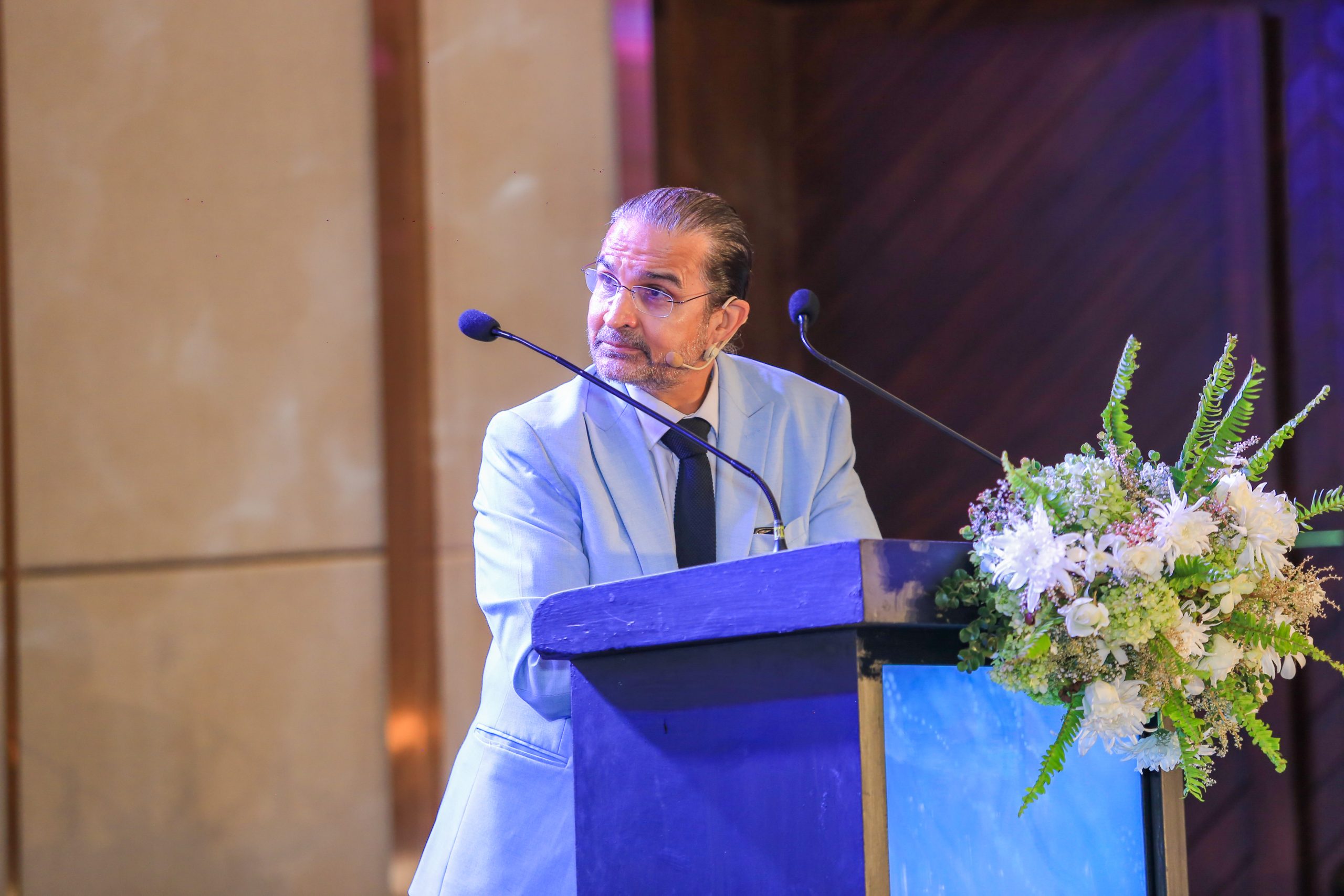
Plenary session - teaching lecture on “Medical indications of breast reduction and breast lift for large and saggy breasts at the Royal College of Surgeons of Srilanka".
Plenary session - teaching lecture on “Medical indications of breast reduction and breast lift for large and saggy breasts at the Royal College of Surgeons of Srilanka".
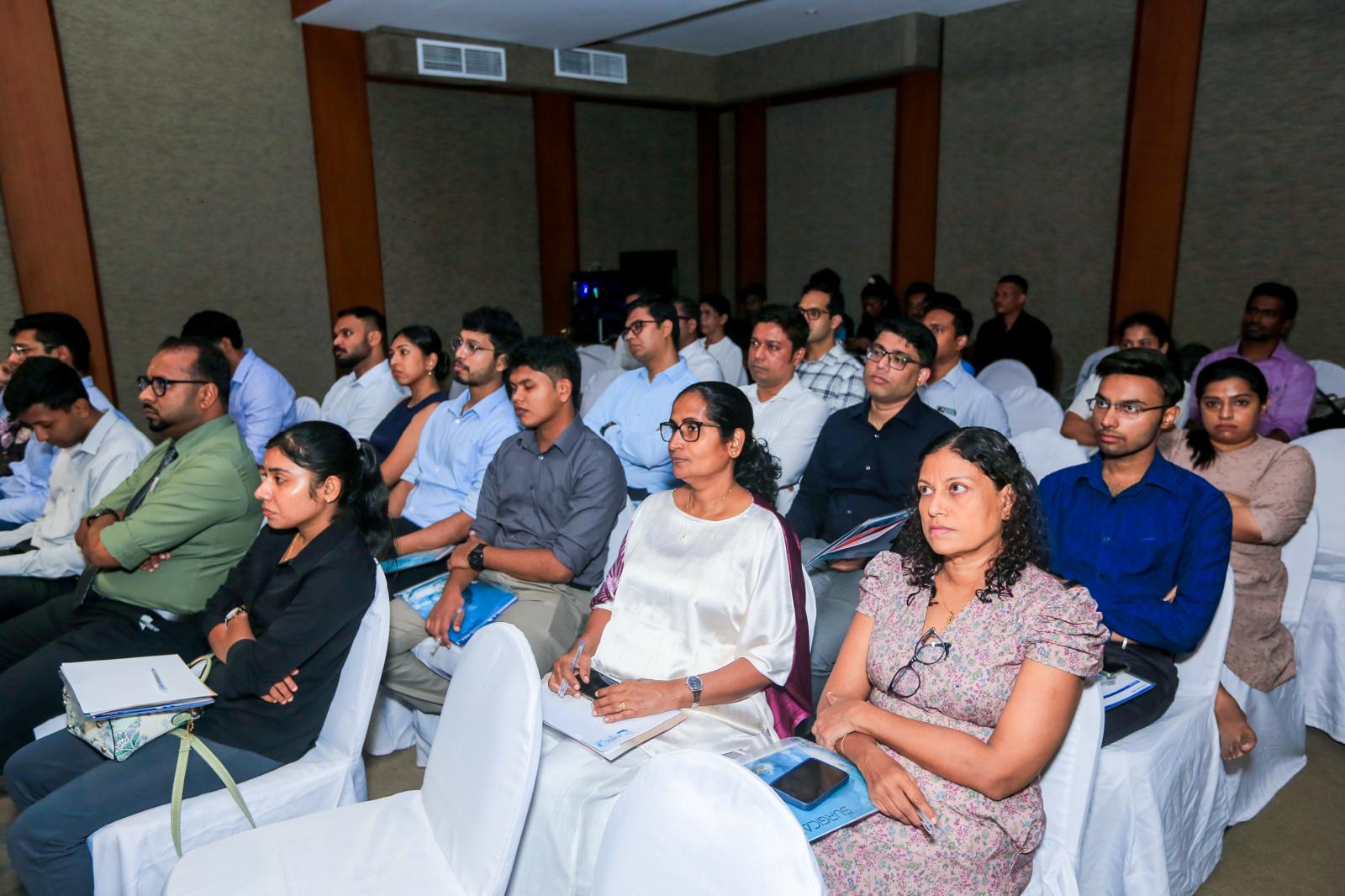
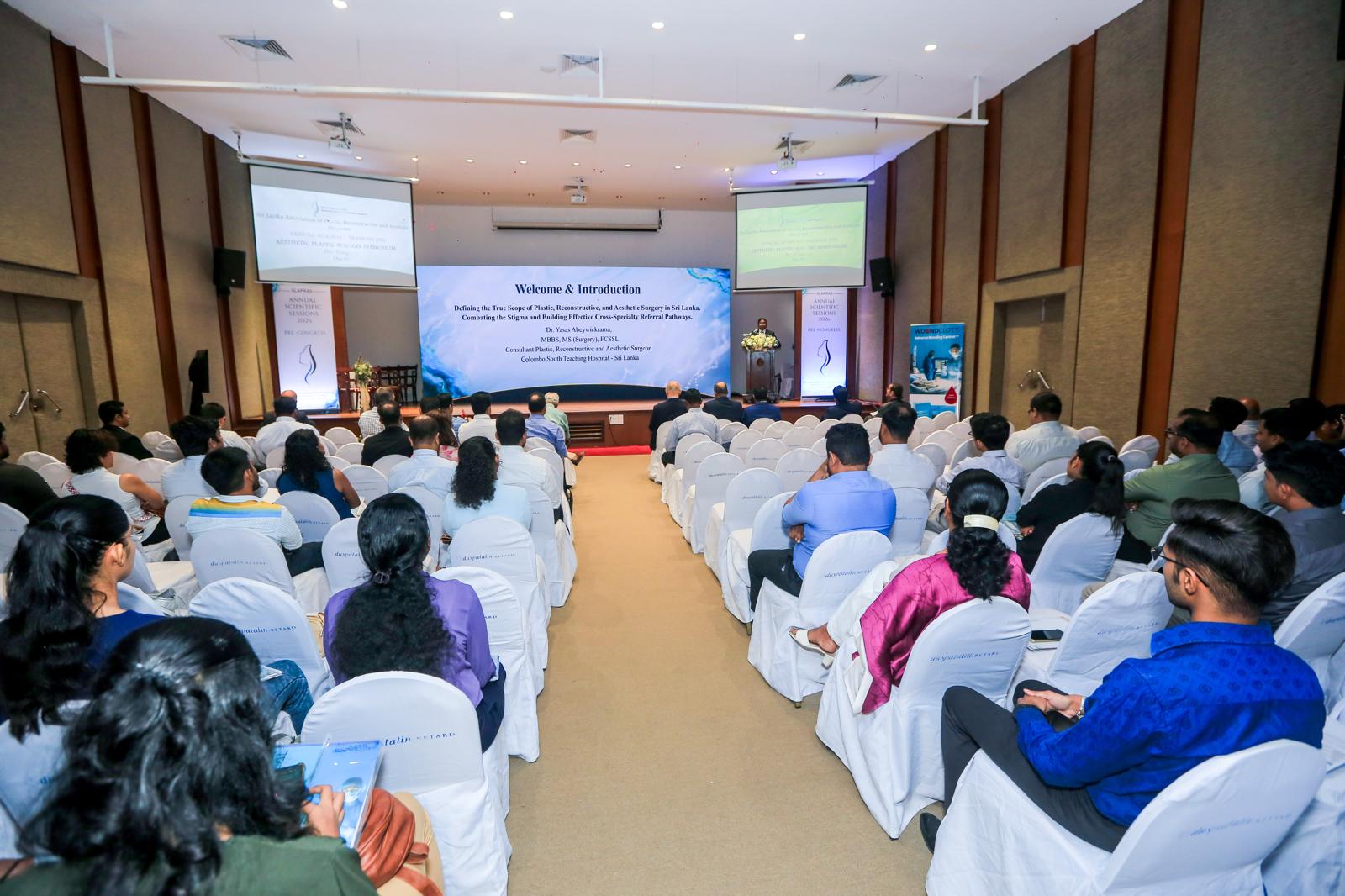
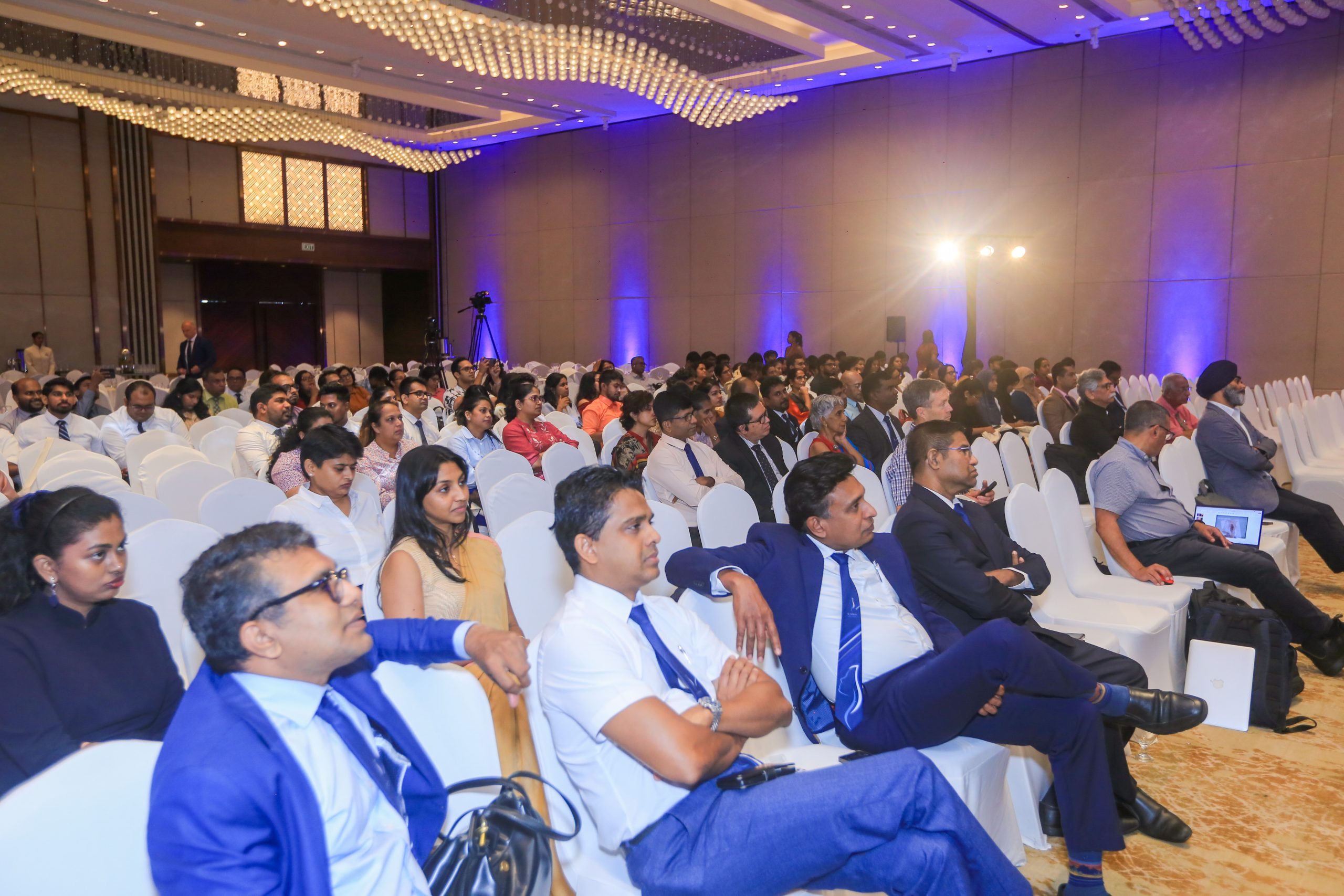
All delegates from all over Sri Lanka at the conference
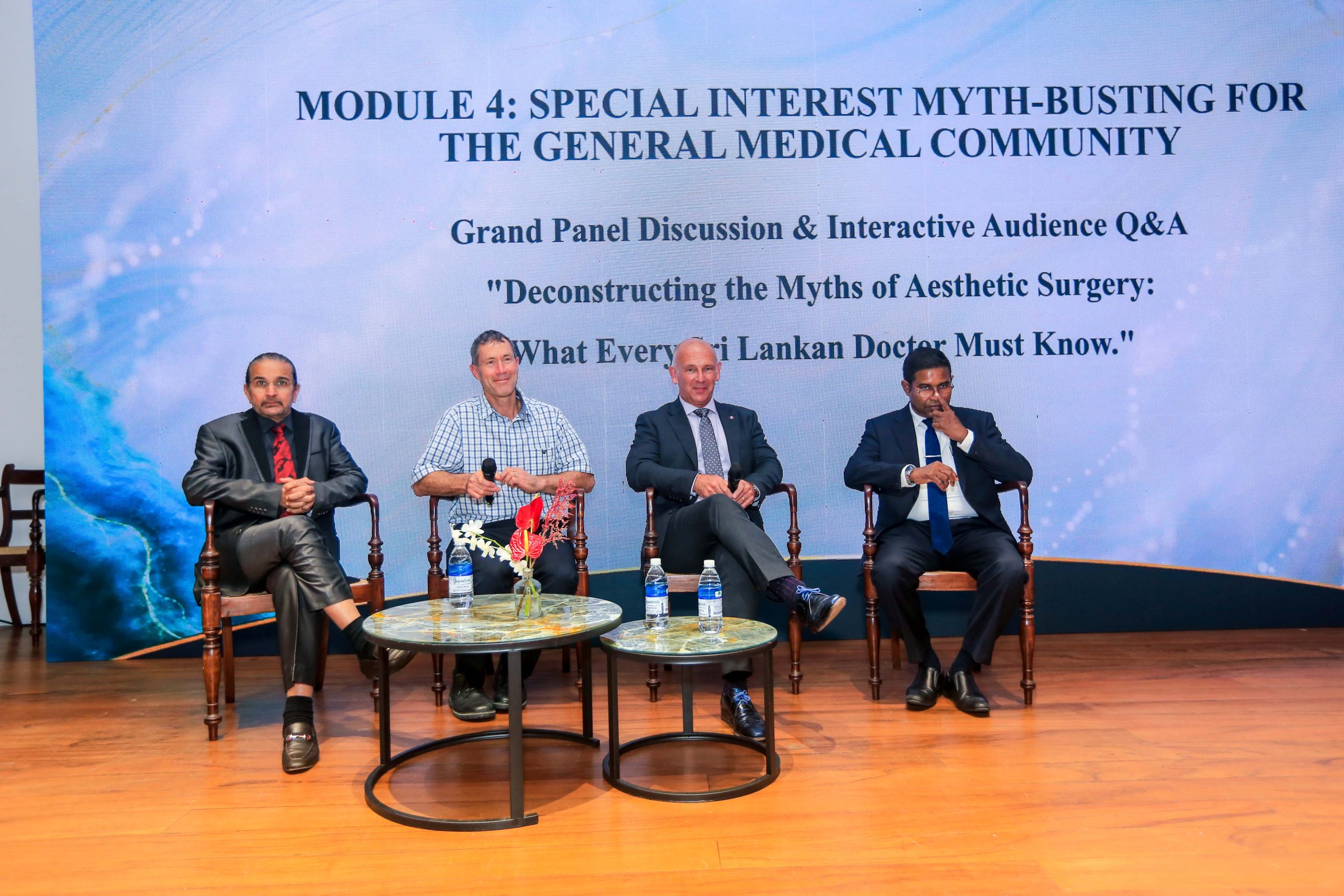
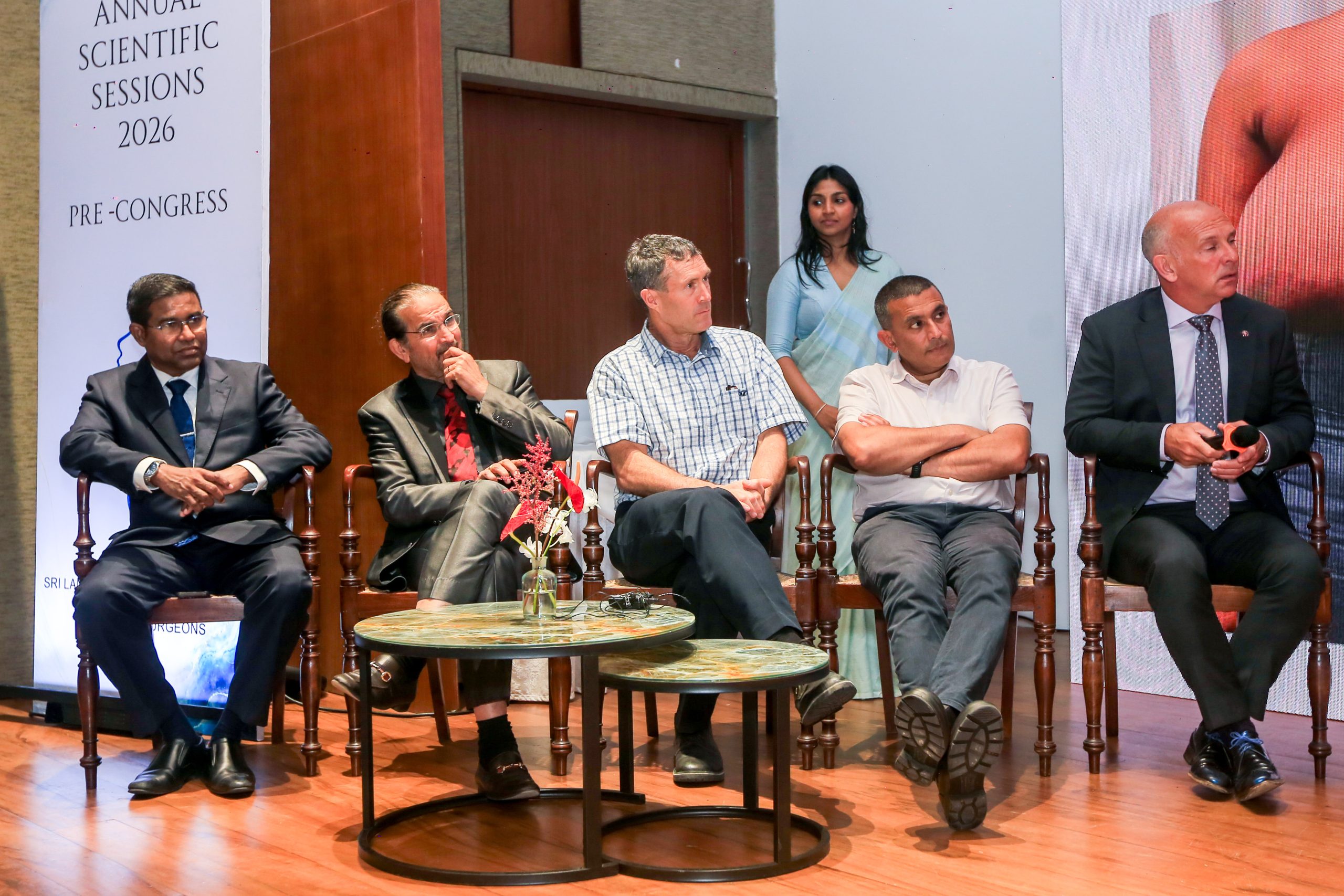
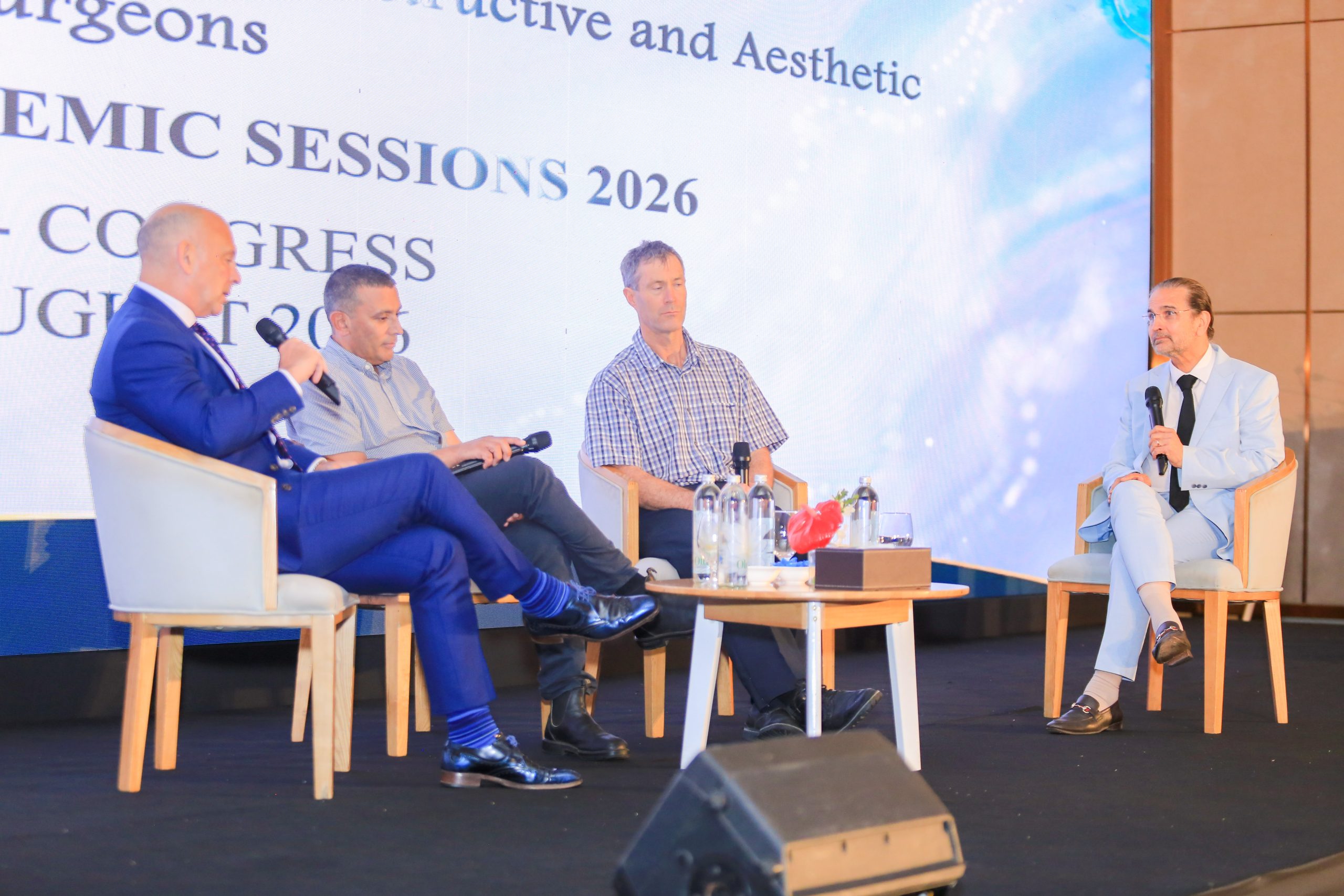
Panel discussion on raising ethical awareness of aesthetic plastic surgery amongst medical community
Sharing techniques—and the thinking behind them
Across the meeting, I was delighted to share my experience in several areas of aesthetic plastic surgery: surgical dimple creation; correction of prominent ears using suture techniques; an algorithmic approach to periorbital rejuvenation; and facelift surgery from my personal perspective. The emphasis was not only on operative steps, but on anatomy, patient selection, informed consent, reproducibility, safety and knowing the limitations of any technique. I also described my experience of undertaking carefully selected facelift procedures as day cases under local anaesthesia with sedation in a standalone aesthetic plastic surgery centre that also has general-anaesthetic facilities. The important principle is not that one approach suits everyone, but that the environment, governance, facilities, anaesthetic support, patient selection and postoperative pathways must all be appropriate for the individual patient and planned procedure.
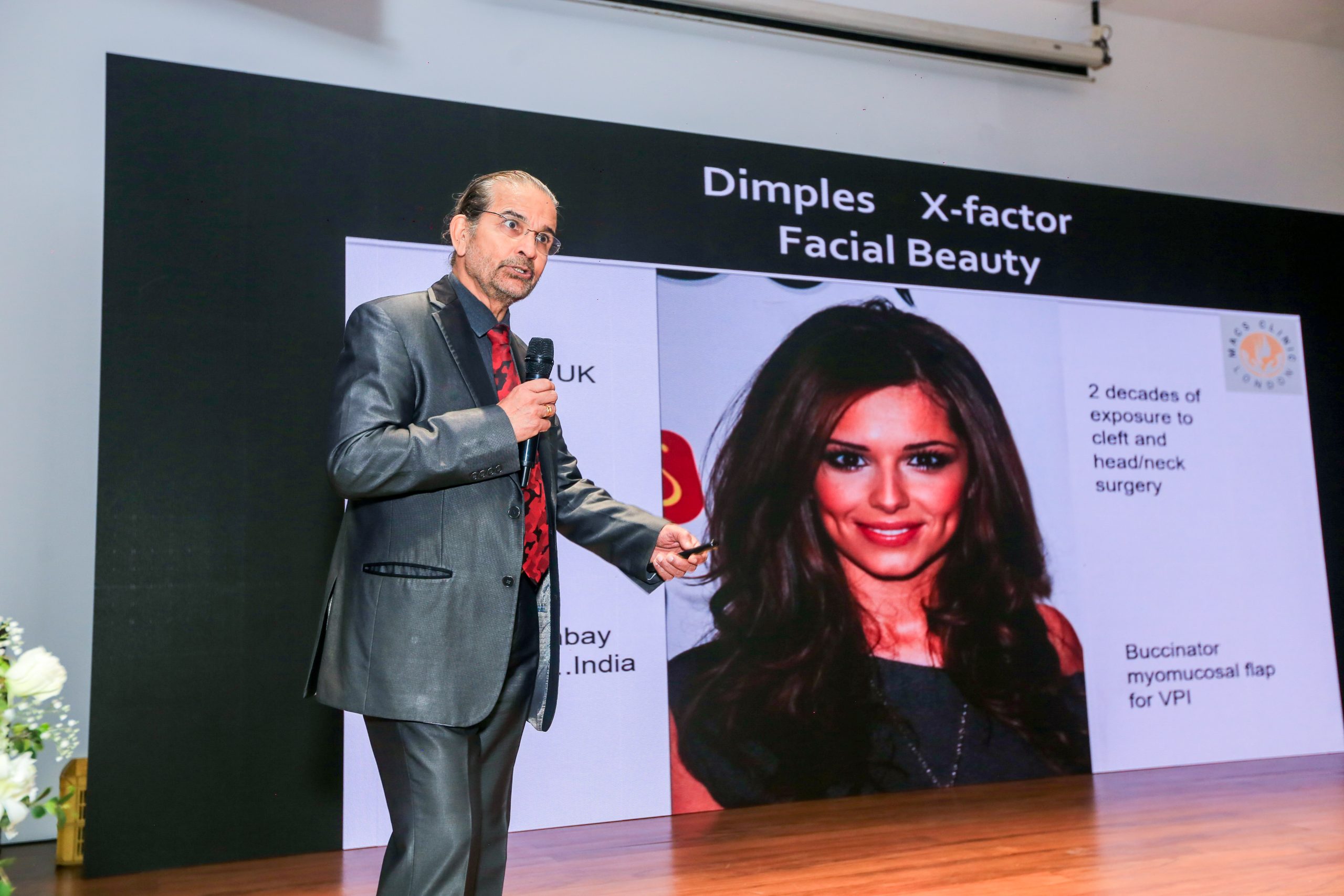
Plenary Session - Presenting Fact , Fiction and Fashion of Facial Dimple creation - 18 years of pioneering personal perspective
All delegates from all over Sri Lanka at the conference
Panel discussion on managing very large breasts causing severe functioning problems.
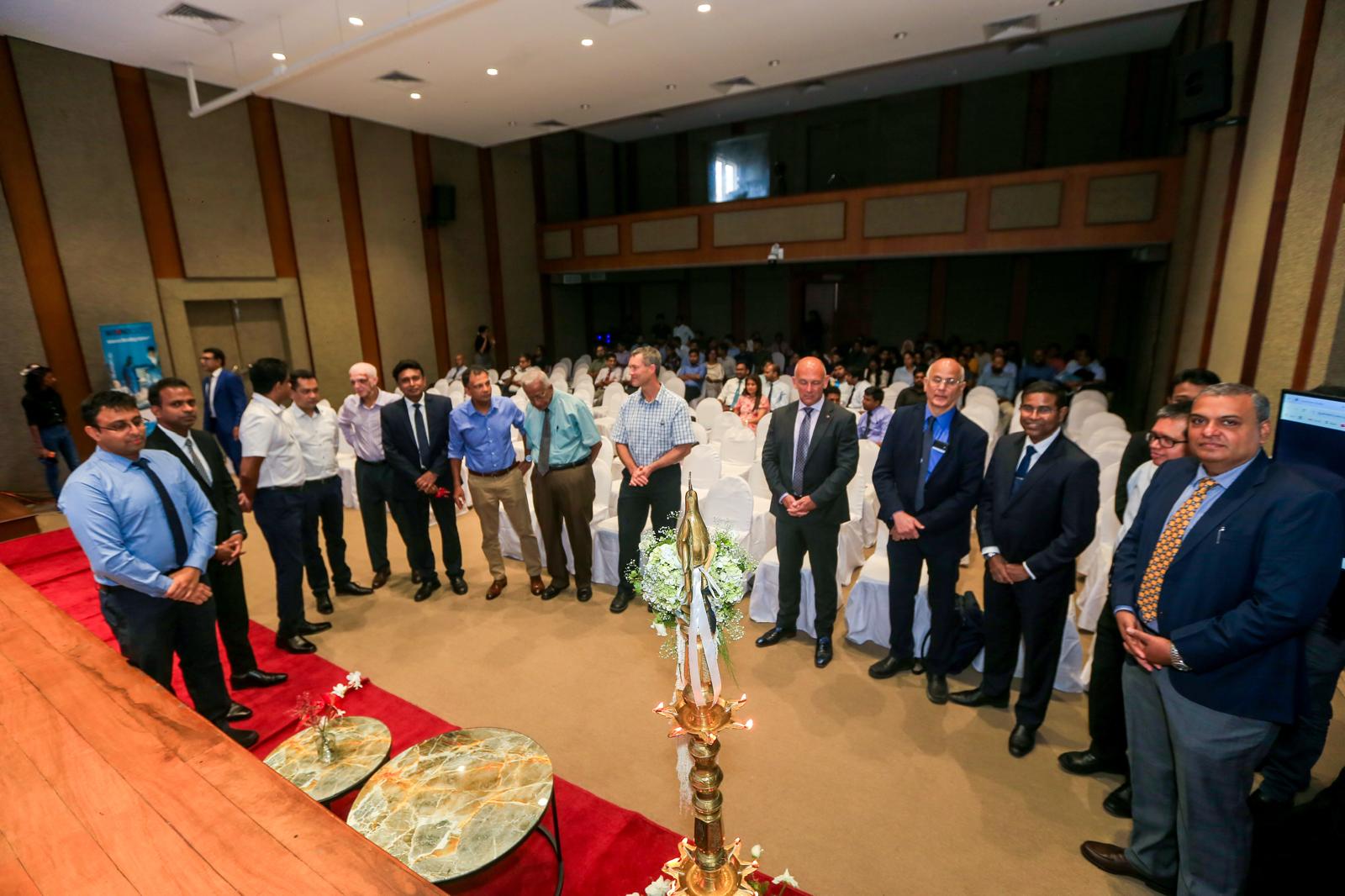
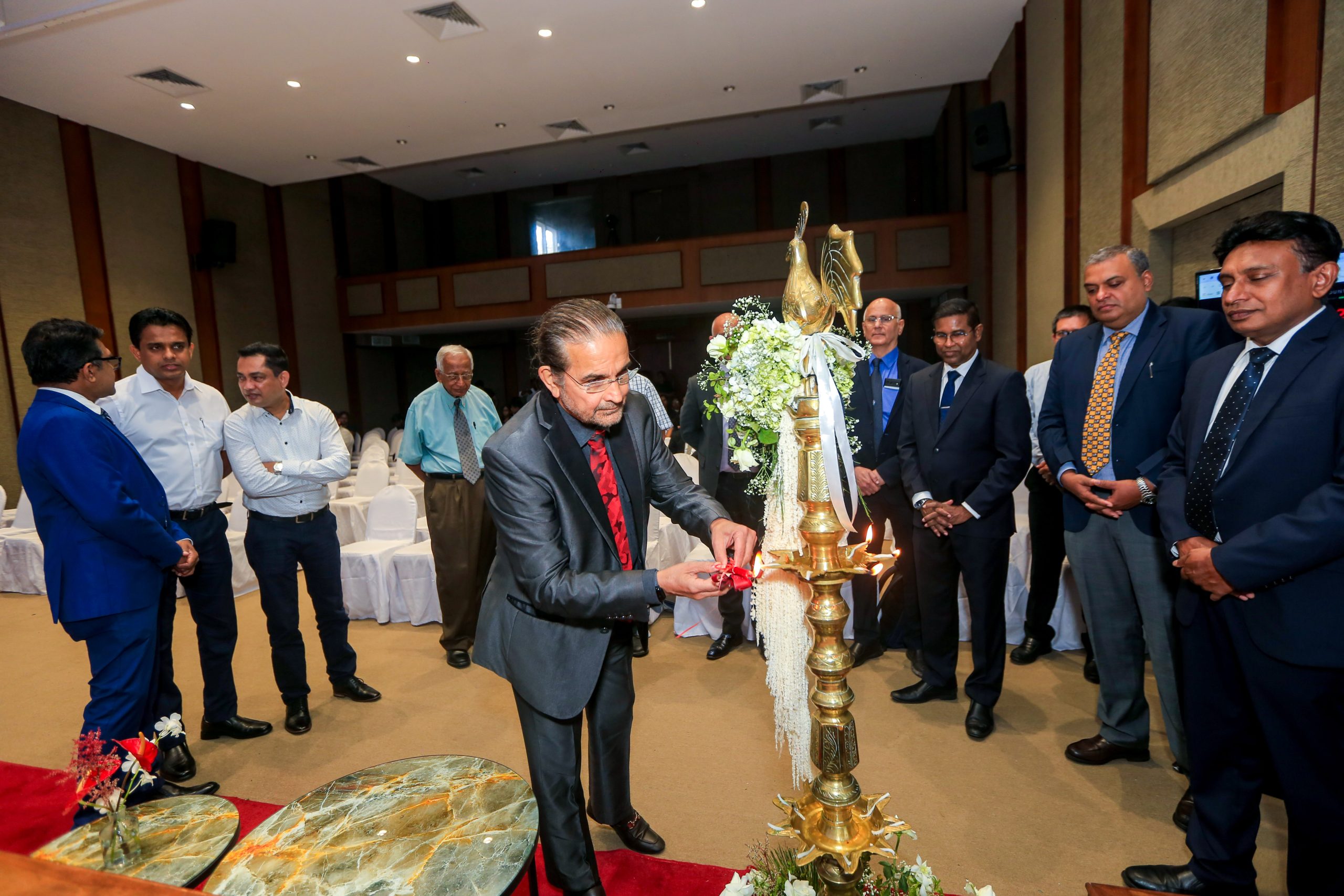
Collective Inauguration ceremony of the Sri Lanka Aesthetic Surgery National Meeting
Another stimulating discussion asked whether labia minora reduction should be regarded as a functional or an aesthetic operation. My own view is that, for many appropriately selected patients, the primary indication is functional. Symptoms may include discomfort, pulling, chafing, irritation, difficulty with exercise or clothing, and interference with sexual wellbeing or daily activities. An improvement in appearance may be an additional benefit, but the aim should remain symptom relief, proportion, preservation of sensation and function, and a result that respects normal anatomical diversity. A practical safety checklist for filler vascular complications
For general practitioners and other first-contact clinicians, I presented “Filler Vascular Occlusion: The GP’s Emergency Checklist to Prevent Blindness and Skin Necrosis.” Although uncommon, vascular complications following dermal filler injections are time-critical. The session focused on early recognition, immediate first steps, the emergency equipment and medicines that an injecting clinic should keep available and regularly check, and the limits of what can safely be managed locally. A central message was that clinics require a rehearsed escalation pathway. Suspected visual symptoms, ophthalmic artery involvement, evolving neurological features or other severe presentations demand immediate referral to an appropriate subspecialty emergency centre. Good outcomes depend not only on technical knowledge, but on preparation, communication and the humility to seek expert help without delay.
A great privilege to present at the recent Plastic Surgery Conference in Sri Lanka on “Filler Vascular Occlusion: The GP’s Emergency Checklist to Prevent Blindness and Skin Necrosis.”
All delegates from all over Sri Lanka at the conference
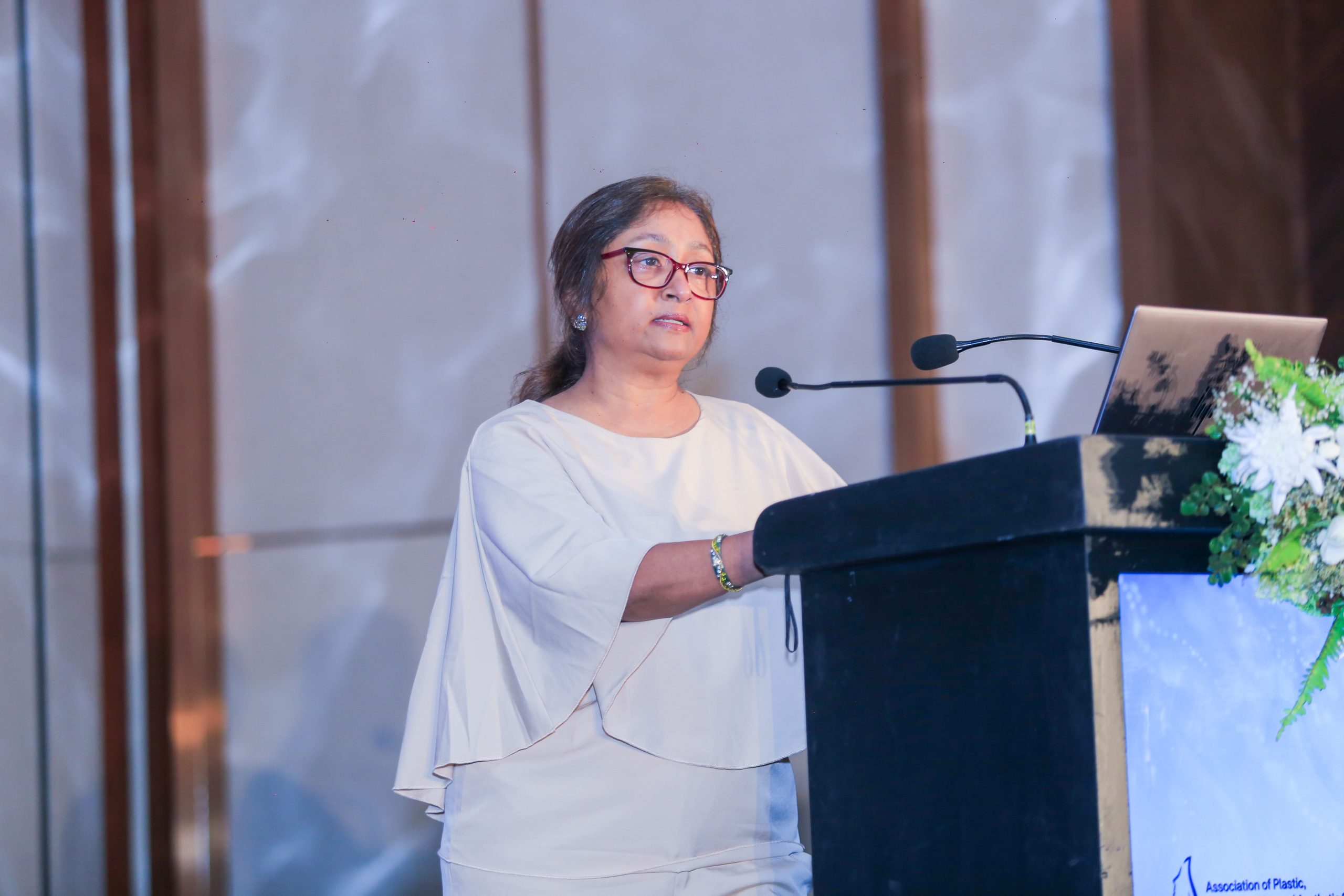
Chairing session of managing complications in aesthetic plastic surgery
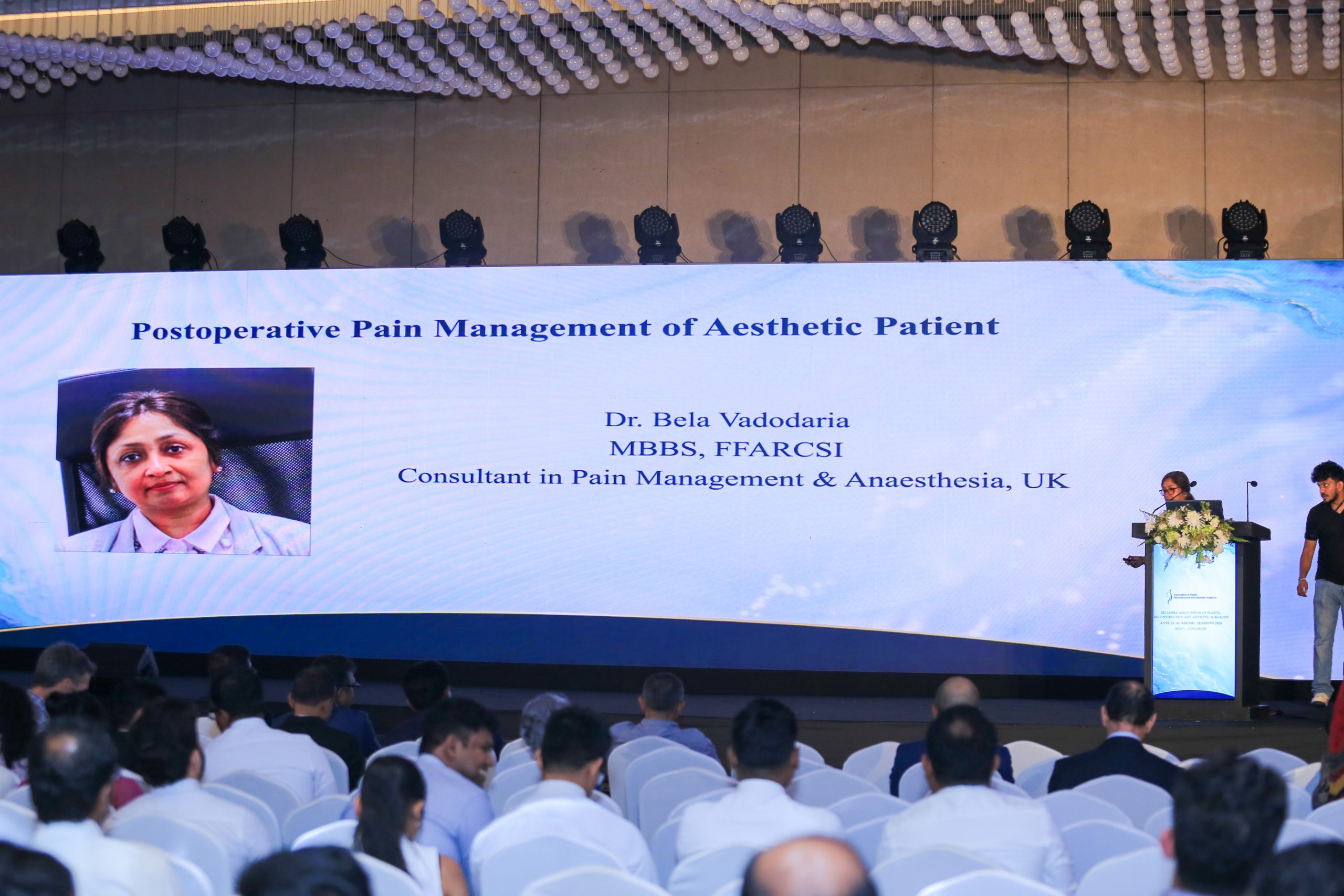
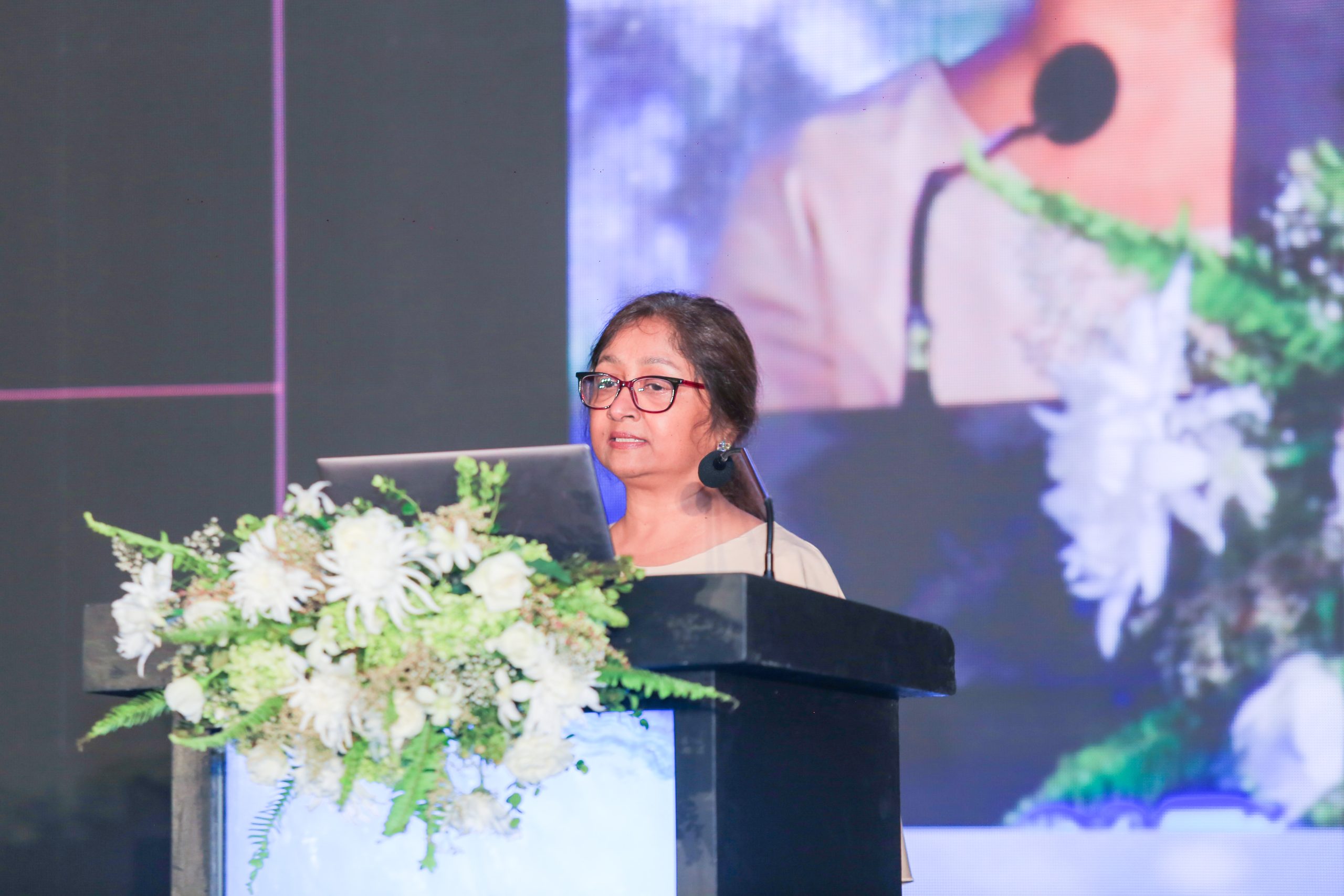
Dr. Bela Vadodaria, Consultant anaesthetist and pain specialist from Hillingdon NHS Hospital, London and MACS Clinic, conducted a masterclass on “Early Recovery After Surgery” and “Pre-optimisation for Elective Plastic Surgery”.
Learning through difficult cases
I also contributed to and chaired discussions on complications in aesthetic plastic surgery, difficult breast cases, gynaecomastia and abdominal contouring. These sessions were particularly valuable because complications and complex cases rarely fit neatly into a textbook. Open discussion allows surgeons to examine decision-making, recognise warning signs, compare approaches and learn from one another in a constructive environment. Patient safety advances when experience is shared honestly.
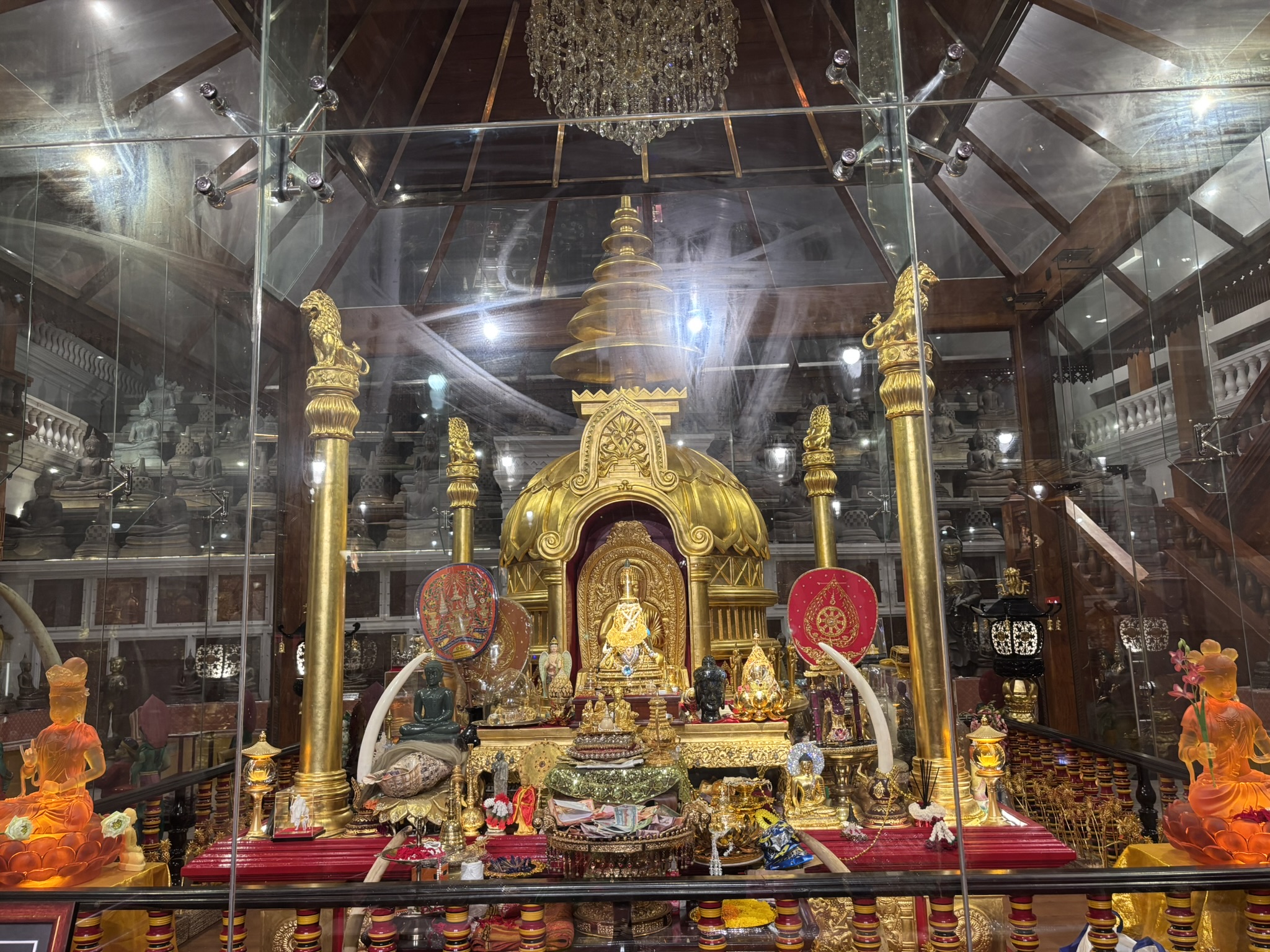
The scientific programme was only one part of this memorable visit. Sri Lanka is a beautiful country, blessed with warm weather, delicious food and exceptionally friendly people. Colombo offered an engaging mixture of energy, history and spiritual calm, and I was fortunate to visit a Buddhist temple there. The experience offered a quiet counterpoint to the intensity of the congress and a chance to appreciate something of the country’s living religious tradition. Kandy was equally unforgettable. I had the good fortune to visit Sri Dalada Maligawa—the Temple of the Sacred Tooth Relic—one of the most revered Buddhist pilgrimage sites in the world. The temple houses the Sacred Tooth Relic of the Buddha and has profound religious, historical and cultural importance in Sri Lanka. The devotion of the worshippers, the rhythm of the rituals and the atmosphere of reverence made a deep impression on me.
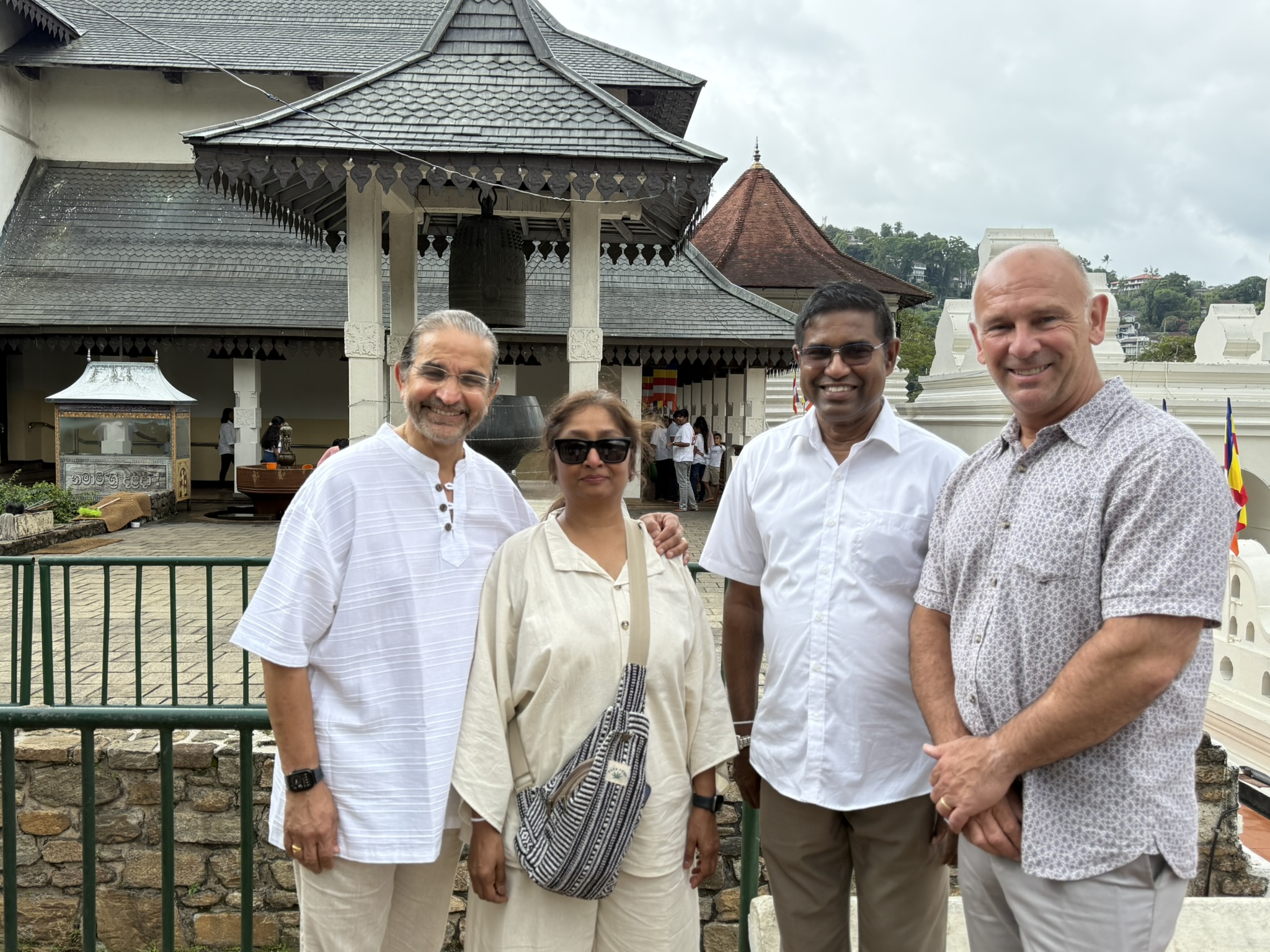
Amazing hospitability by Dr. Shashanka Ratnayake and his lovely wife in Kandy
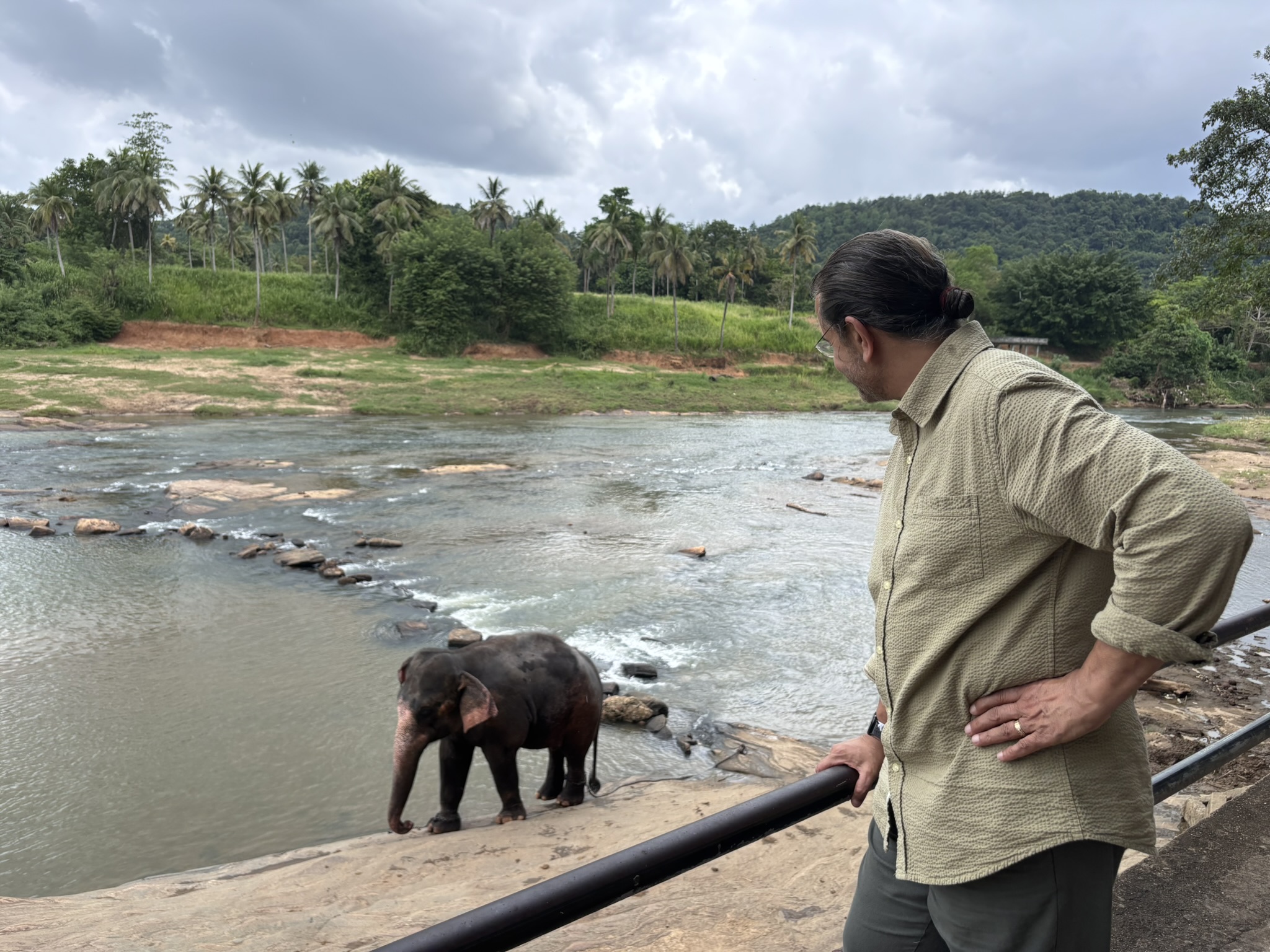
A unique country where there is a friendly co- existing amongst animals and humans
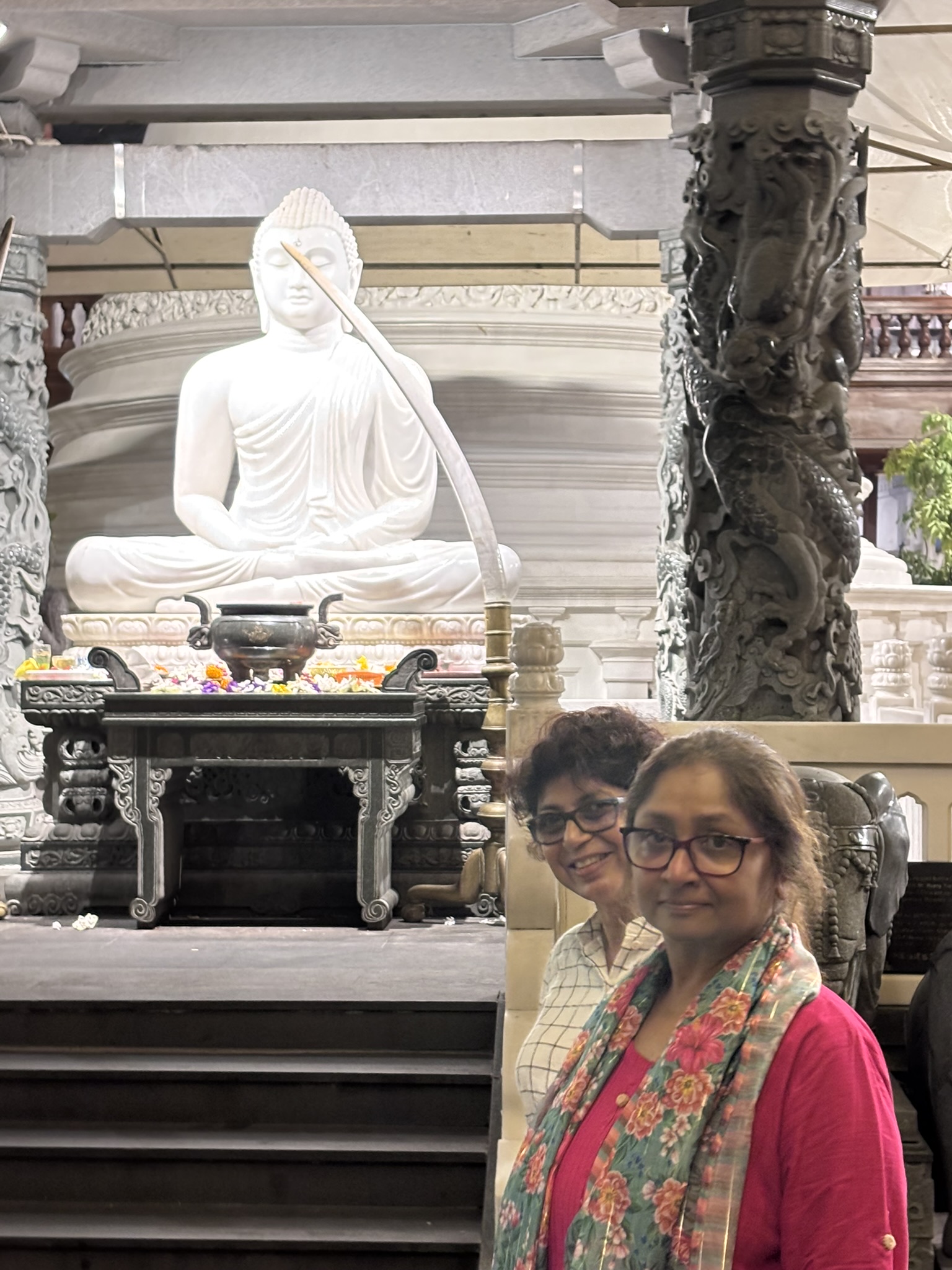
Divine experience of visiting Lord Buddha temple in Colombo
Compassion and friendliness resonates all over Sri Lanka - living with Buddhisatva
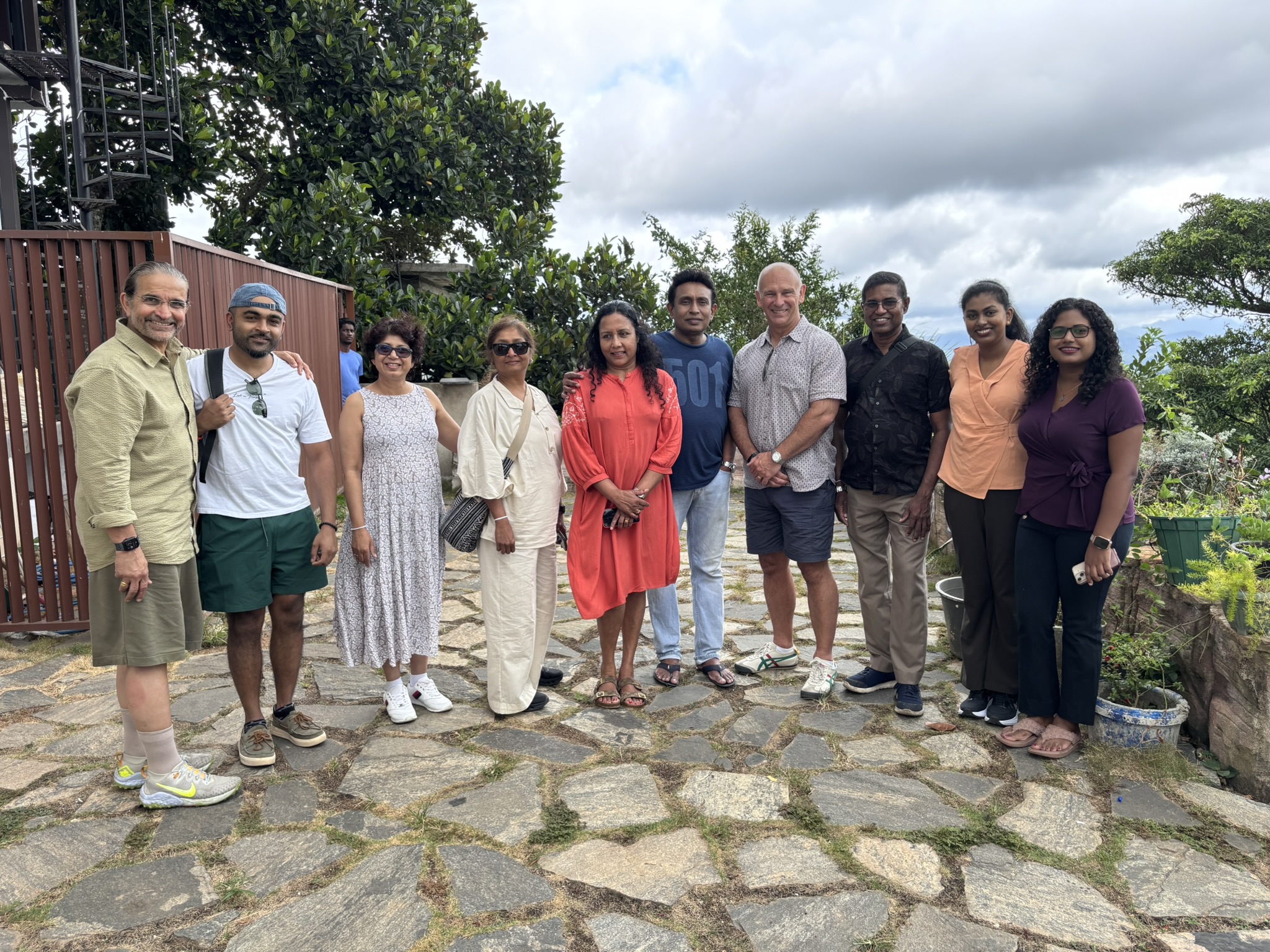
Fewllowship and sight seeing with Dr. Yasas Abeywickrama
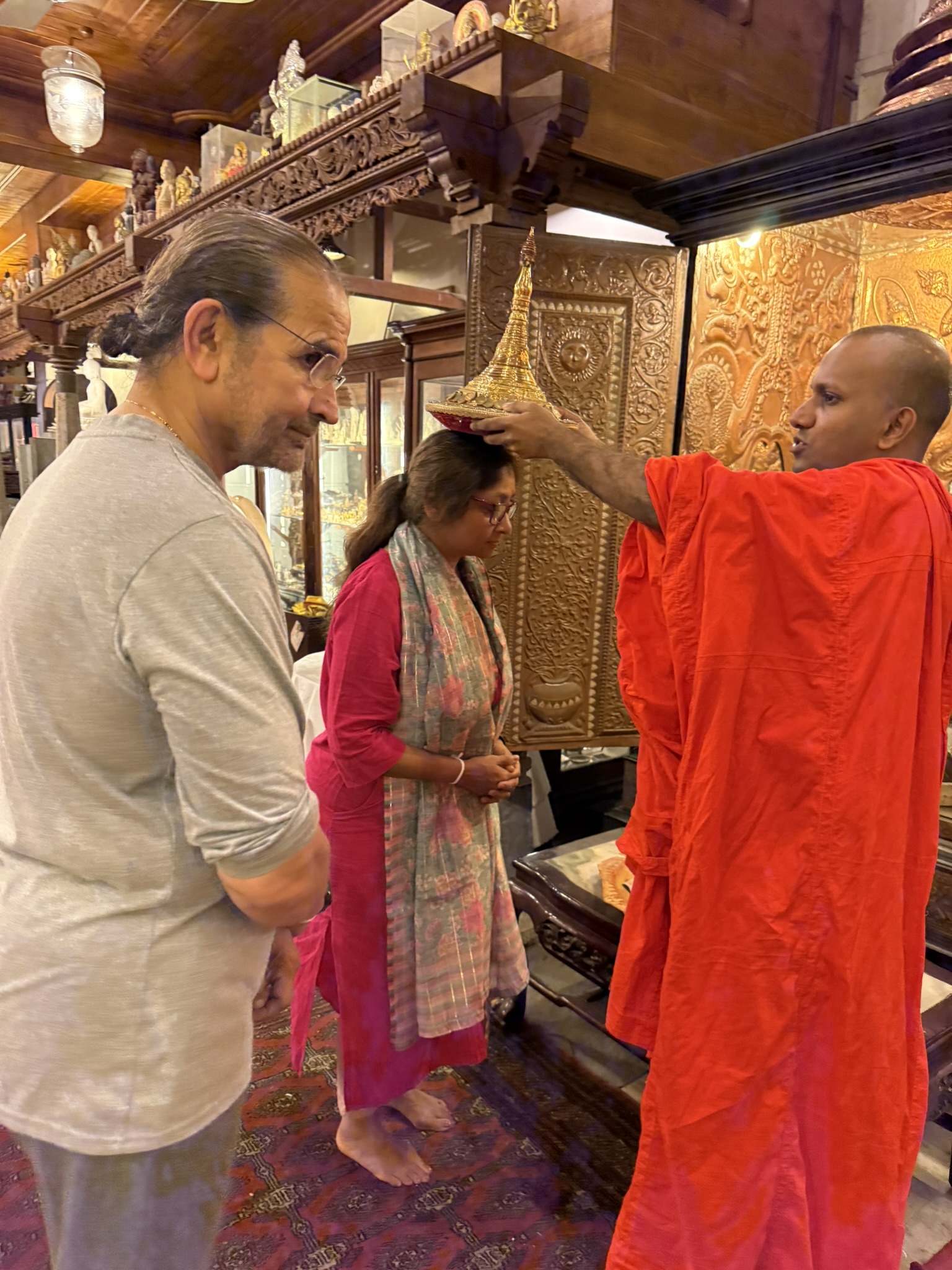
Tradition of recieving blessings from Buddhist monk
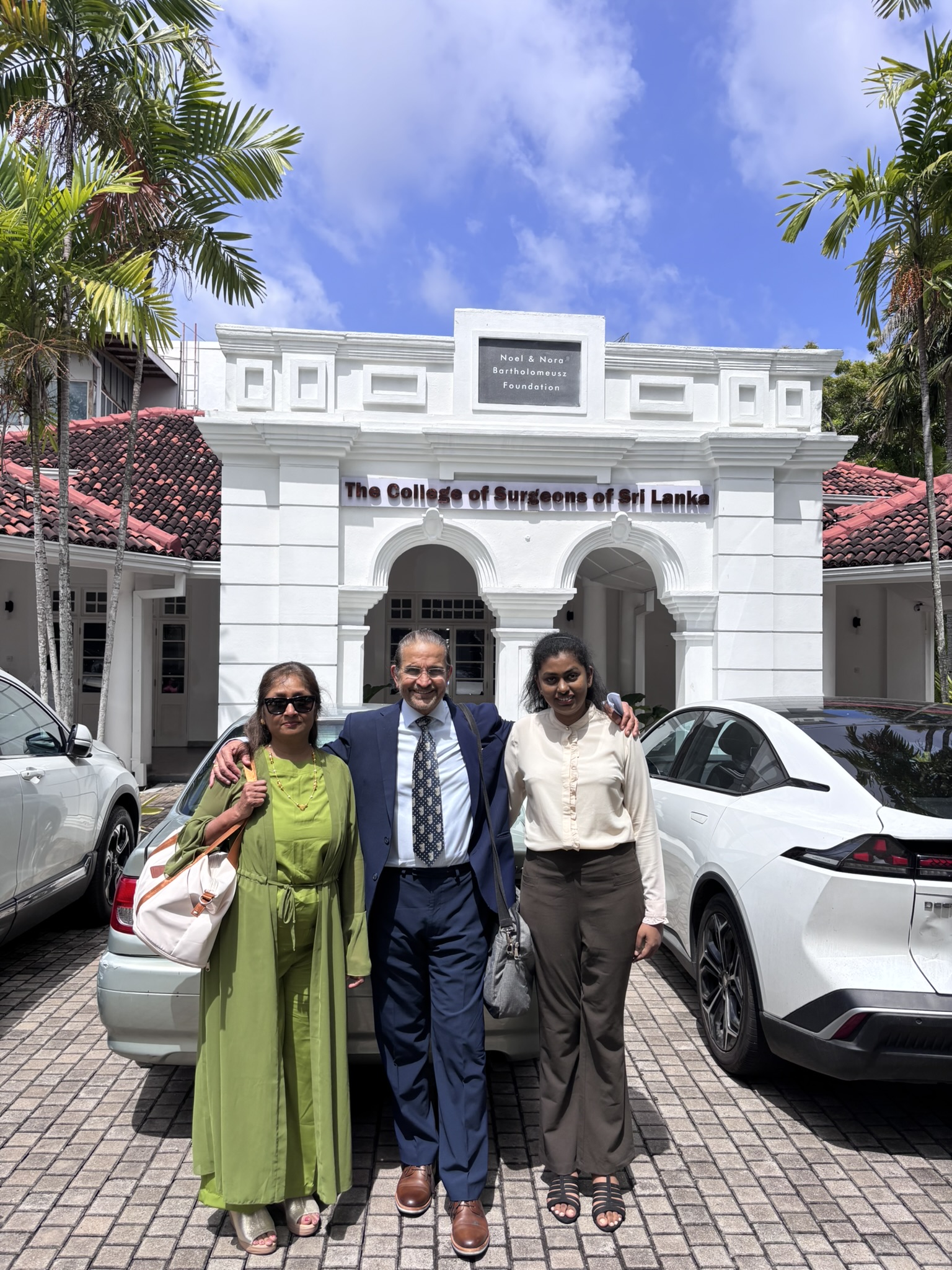
Beautiful Victorian building of royal College of surgeons of Sri Lanka
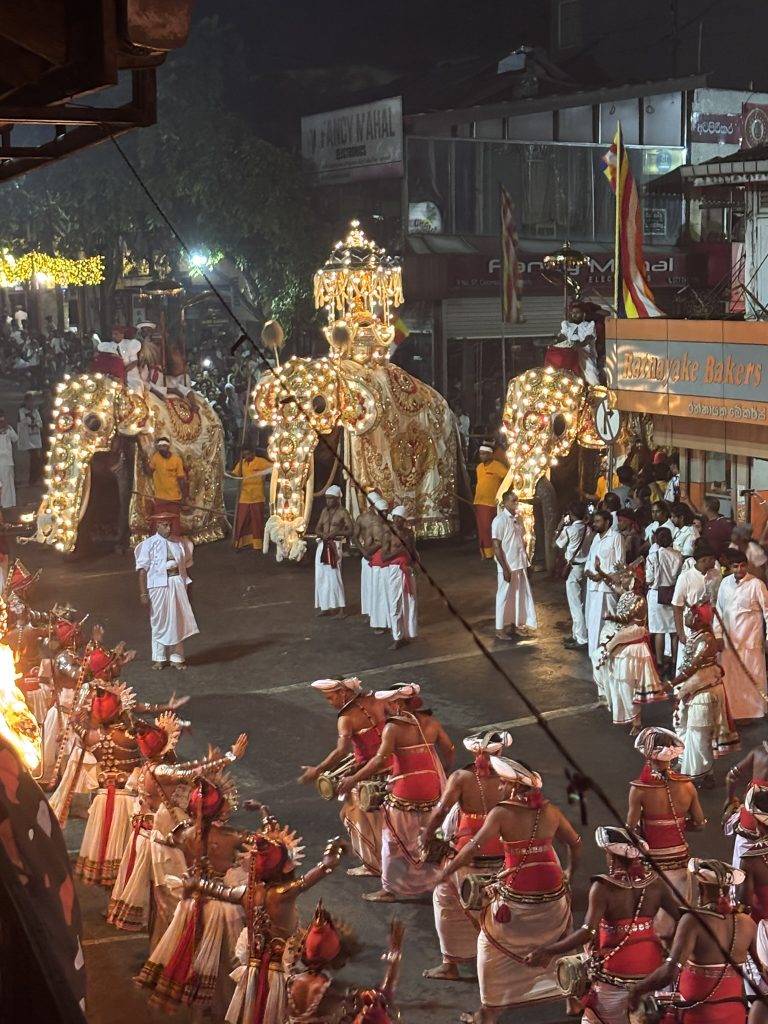
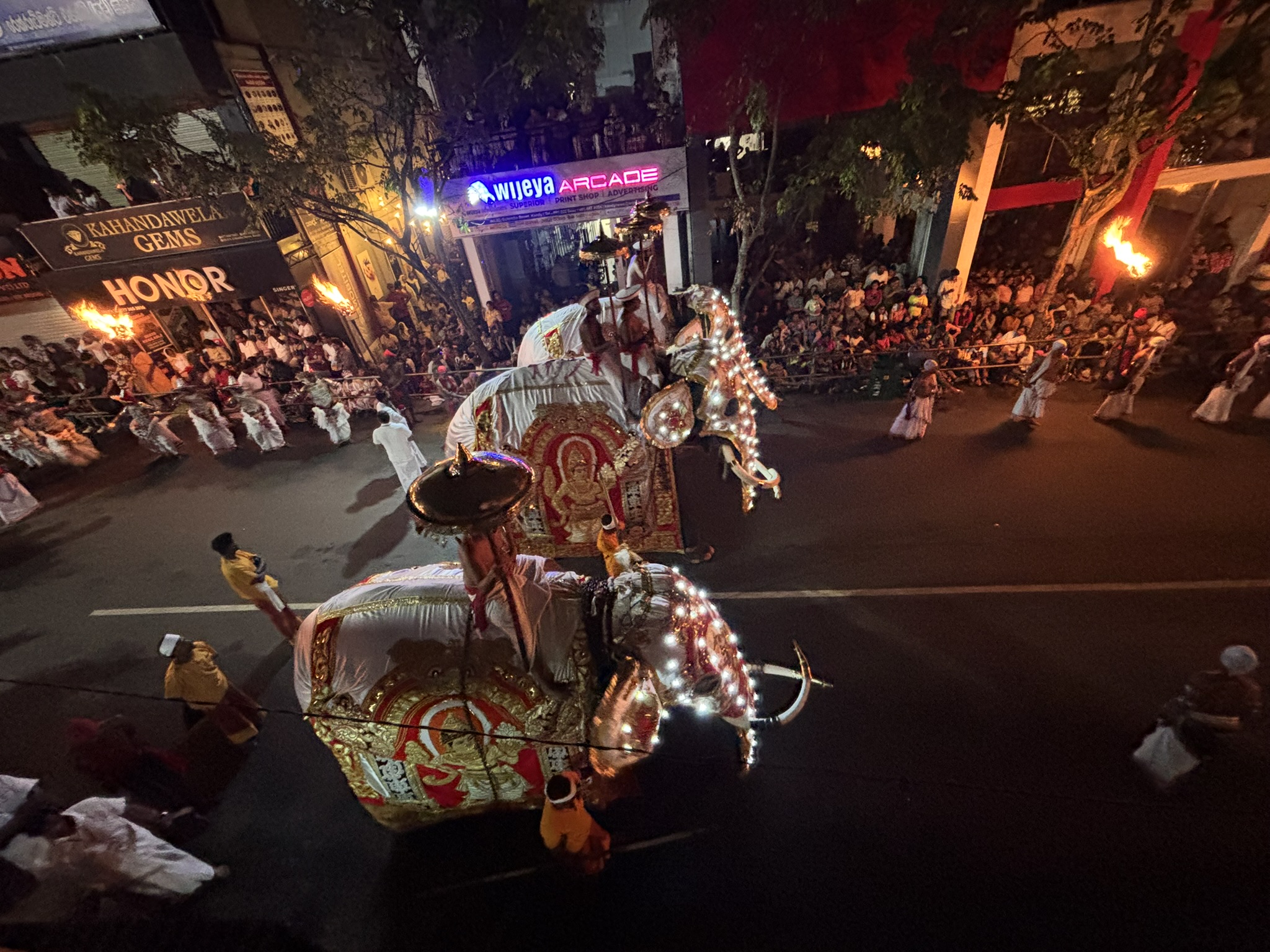
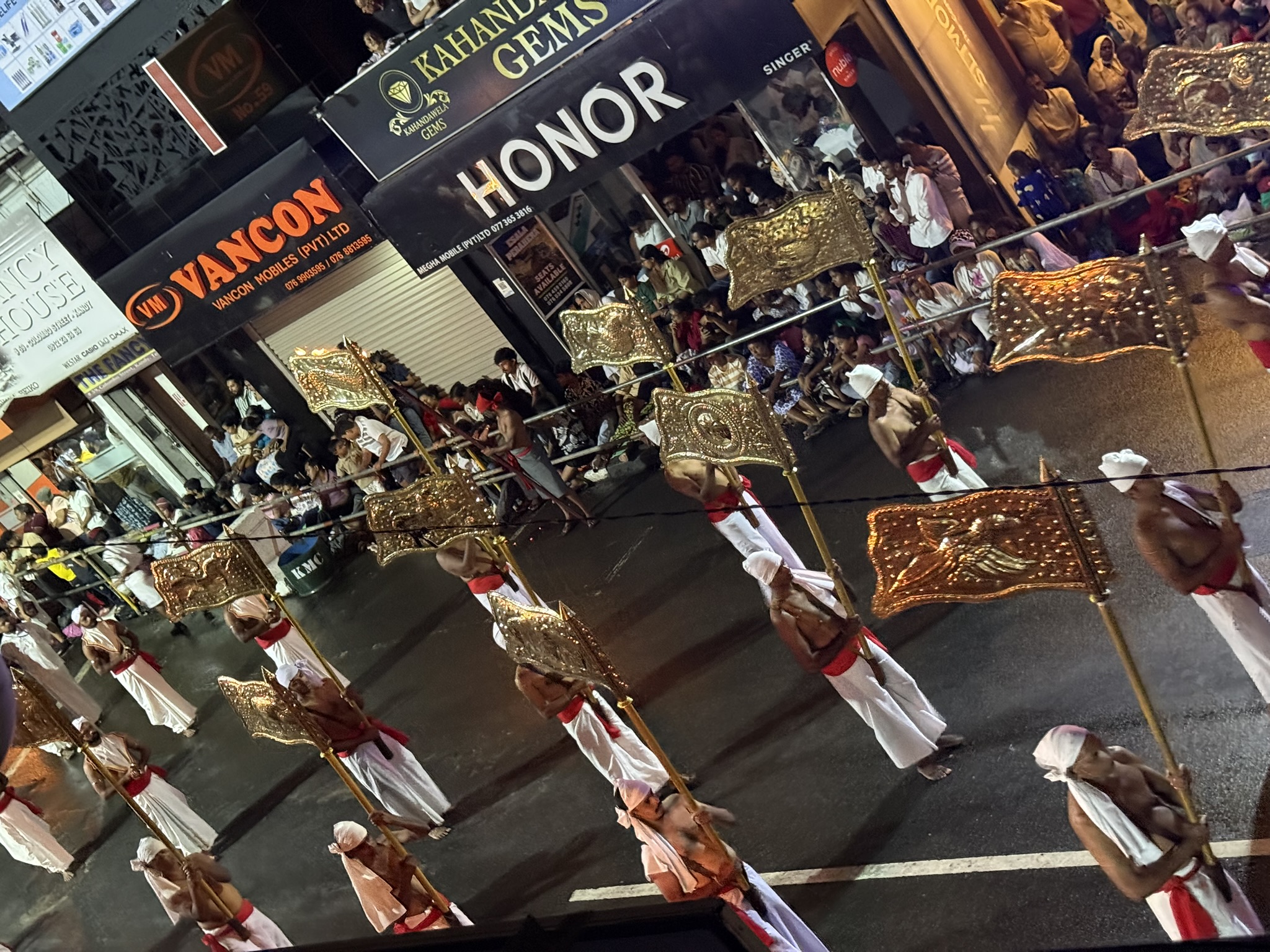
The magnificent Kandy Esala Perahera
A special highlight was witnessing the Kandy Esala Perahera—often called the Festival of the Tooth. This historic annual procession pays homage to the Sacred Tooth Relic and brings together richly decorated elephants, traditional dancers, drummers, fire performers and ceremonial custodians. The scale, colour, sound and discipline of the procession were extraordinary. Thousands of pilgrims and visitors gather for this internationally renowned celebration, yet its deepest meaning remains spiritual: a living expression of faith, heritage and continuity. For a visitor, it was not simply a spectacle. It was an opportunity to witness how religion, community, music, movement and ceremony can come together to preserve a tradition across generations. I felt very fortunate to experience it in person.
Once in lifetime amazing experience of being part of Kandy Esala Perahera
Perahera - hundreds of elephants dressed up with beautiful clothes and colourful lights
The procession was complemented by folk dances and singing by the local devotees
The lasting value of professional friendship
I returned from Sri Lanka with gratitude—to SLAPRAS, to the organisers, to my fellow faculty and, above all, to the many colleagues who welcomed me so generously. I thoroughly enjoyed teaching, learning and discussing a wide range of plastic surgical topics with surgeons and trainees, while also sharing practical messages with general practitioners who play such an important role in early recognition and referral. International meetings are valuable not merely because they allow us to present what we know. Their greater value lies in the questions they provoke, the perspectives they broaden and the professional friendships they strengthen. My visit to Colombo and Kandy brought all of these elements together: science, safety, culture, spirituality and fellowship. I hope this will be the first of many opportunities to continue learning from—and contributing to—the plastic surgery community in Sri Lanka.
With sincere thanks to the council and members of SLAPRAS, the organising team, fellow faculty, trainees and general practitioners who made this visit so rewarding.