Activity Restrictions
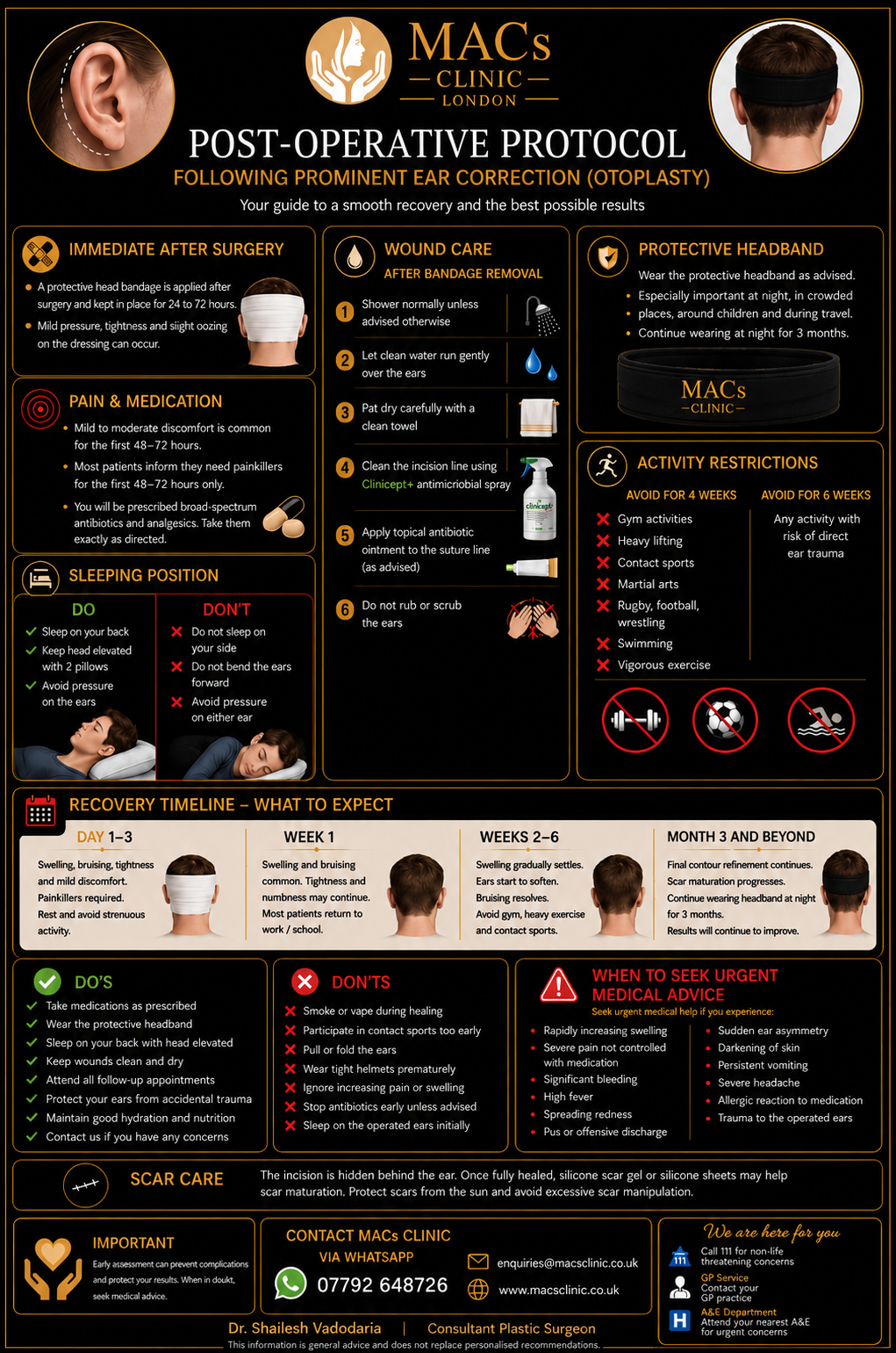
Avoid for 4 Weeks
* Gym activities
* Heavy lifting
* Contact sports
* Martial arts
* Rugby, football, wrestling
* Swimming
* Vigorous exercise
Avoid for 6 Weeks
* Any activity with risk of direct ear trauma
Children
Parents should inform:
* Teachers
* Sports instructors
* Caregivers
that ear protection is required during healing.
Expected Recovery Timeline
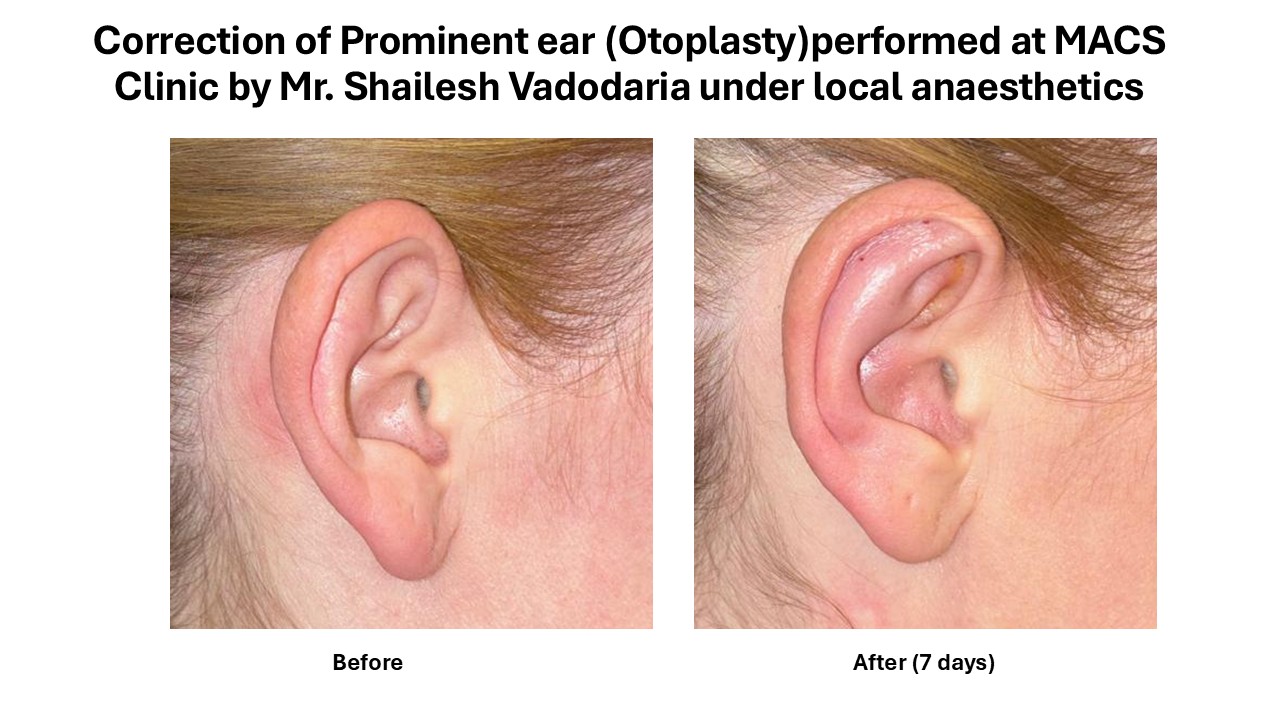
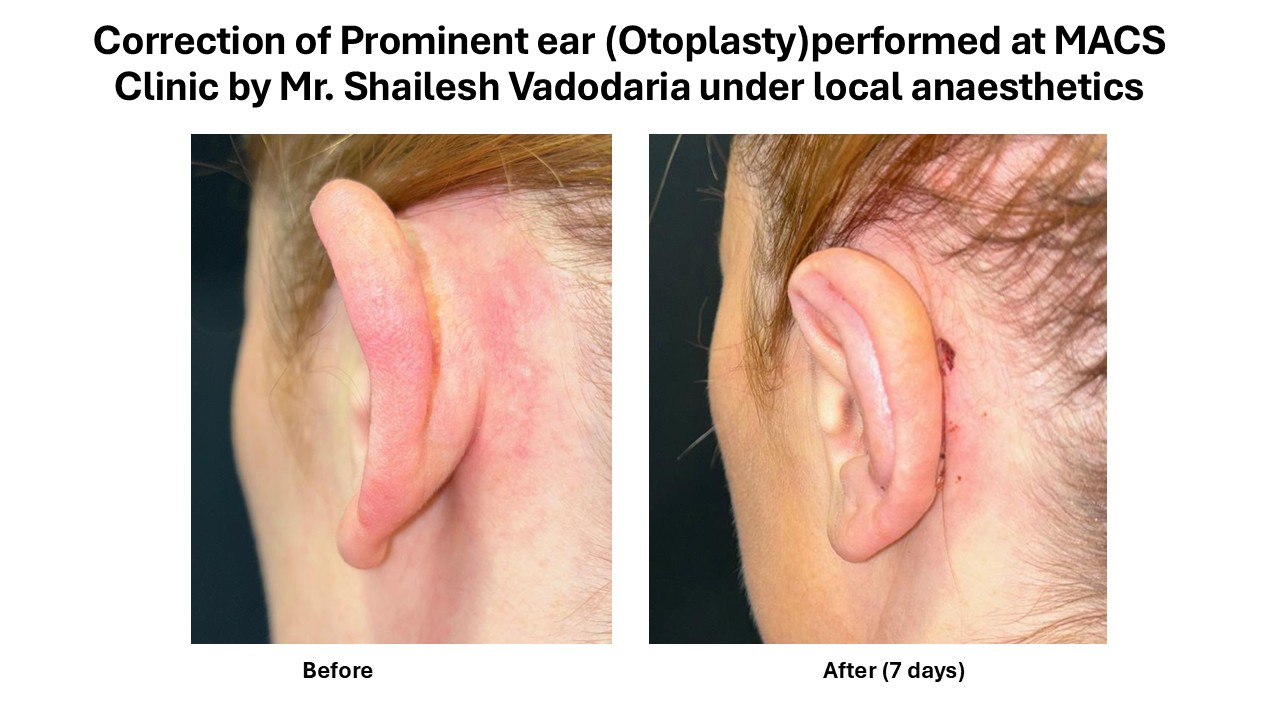
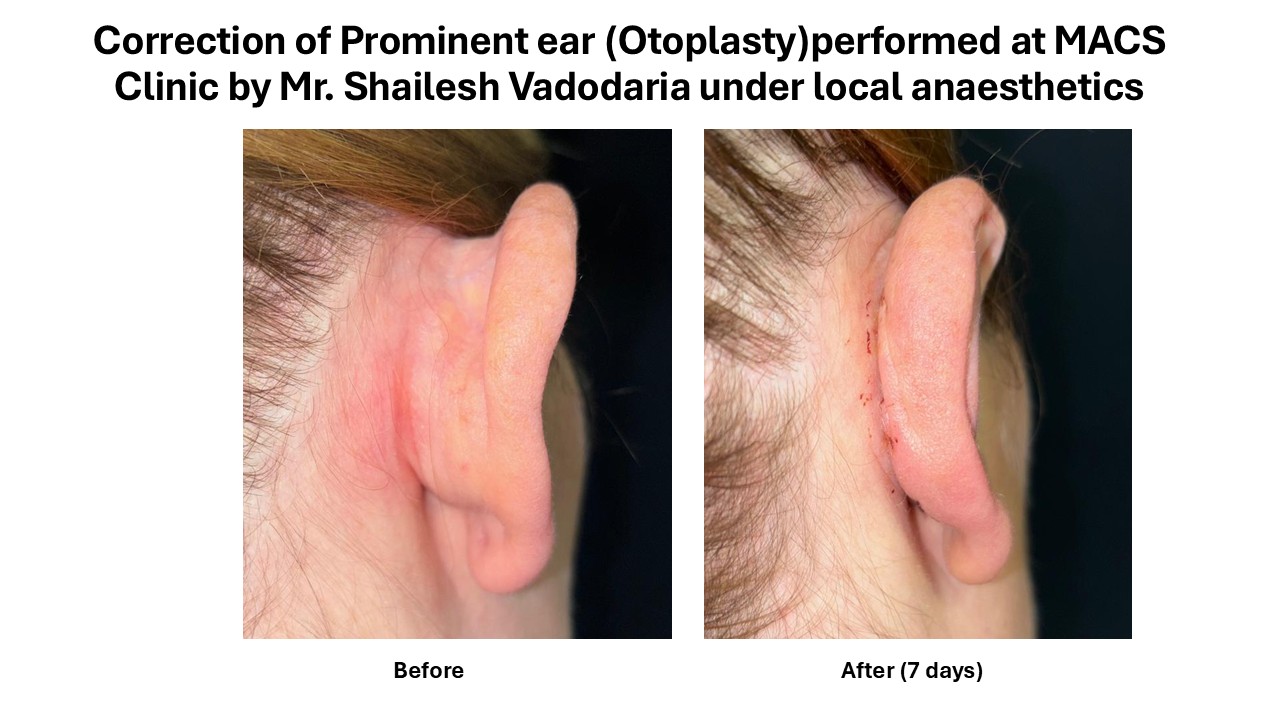
First Week
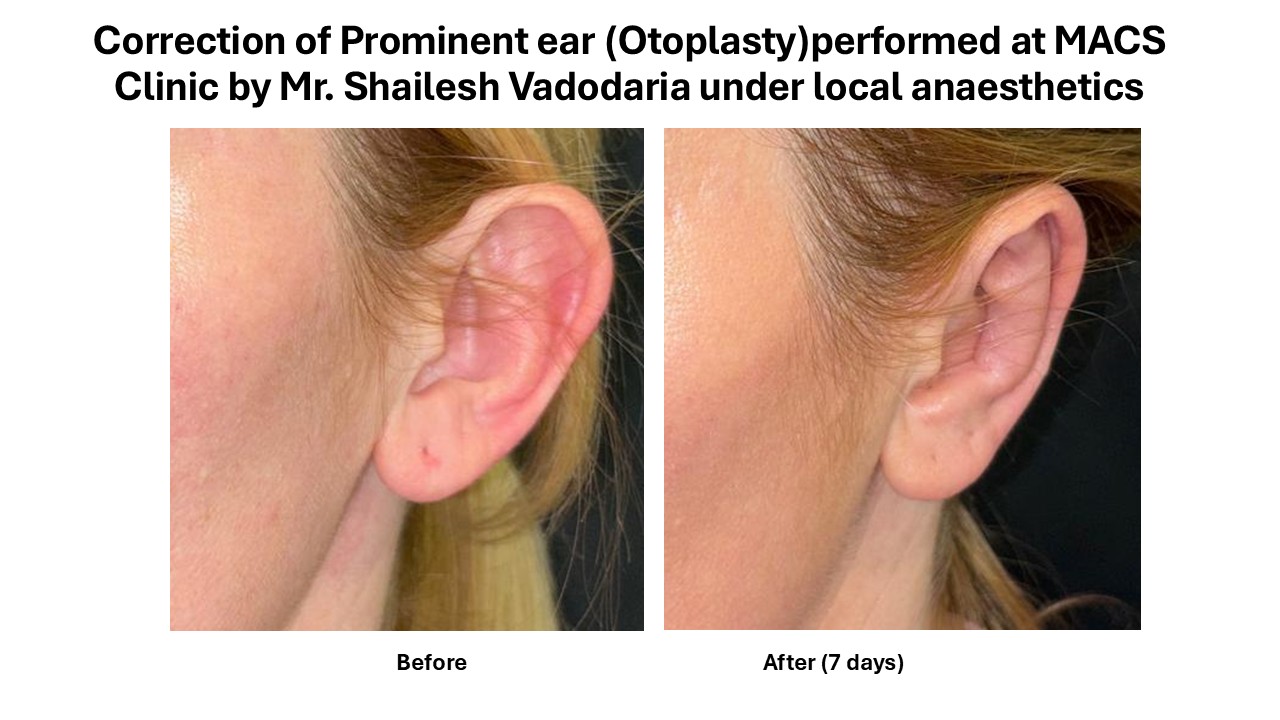
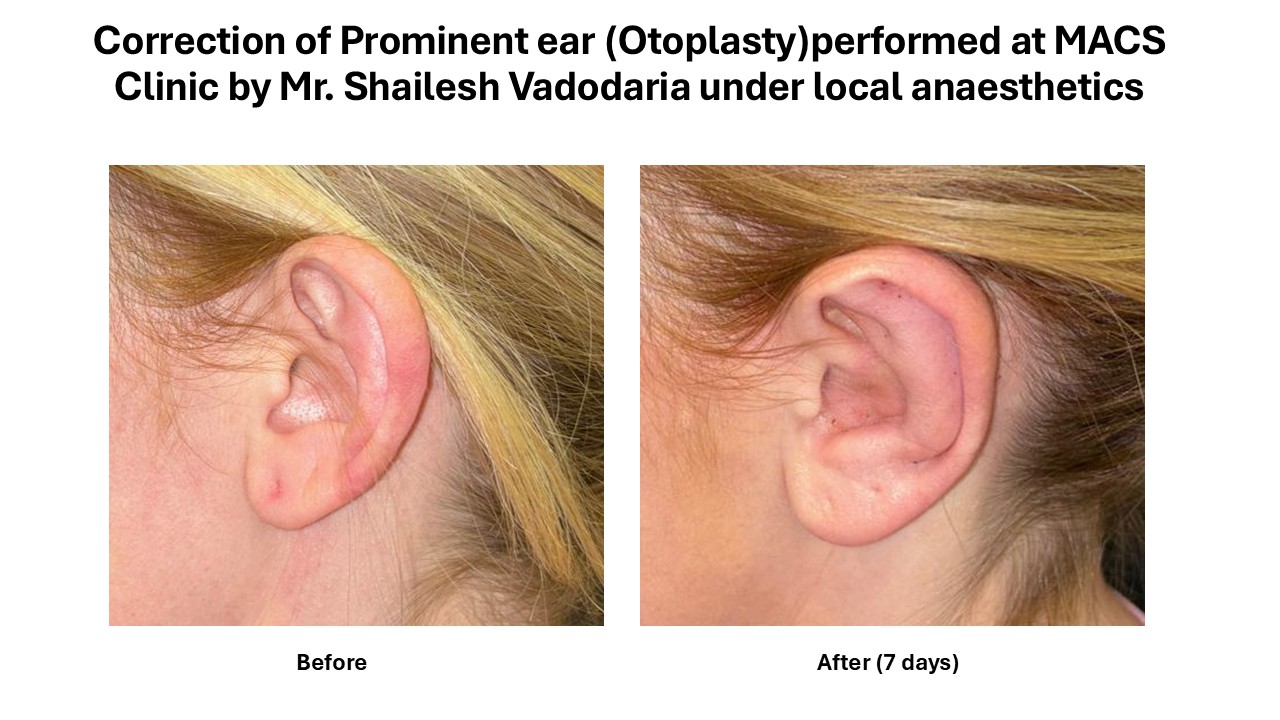
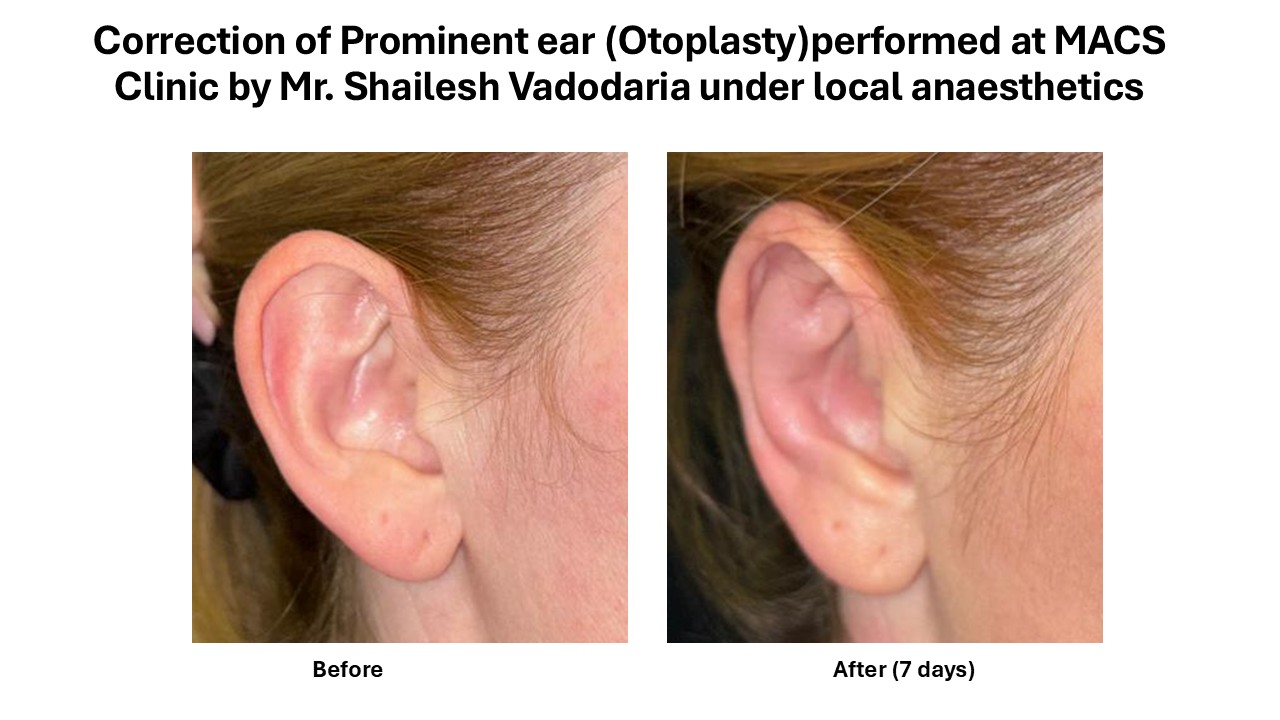
Common findings include:
* Swelling
* Bruising
* Tightness
* Temporary numbness
* Mild asymmetry due to swelling
* Sensitivity when touching the ears
Weeks 2–6
* Swelling progressively settles
* Ears soften gradually
* Bruising resolves
* Most patients return to work/school within days
Several Months
* Final contour refinement continues
* Scar maturation progresses
* Cartilage settles naturally
⸻
Scar Care
The incision is usually hidden behind the ear.
Once wounds are fully healed:
* Silicone scar gel or silicone sheets may help scar maturation
* Sun protection is recommended
* Avoid excessive scar manipulation
⸻
DO List
DO:
✔️ Take medications as prescribed
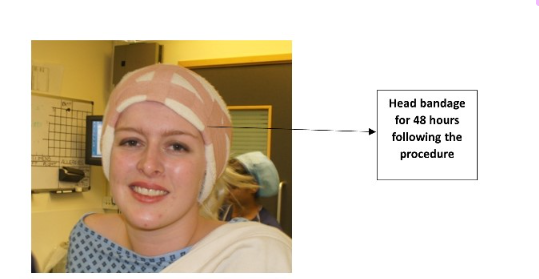
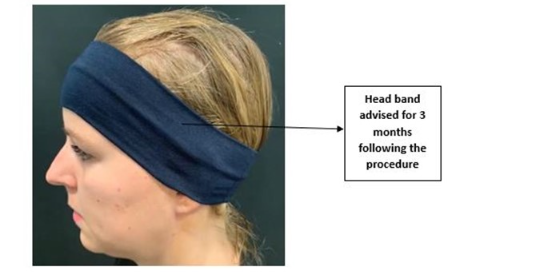
✔️ Wear the protective headband
✔️ Sleep on your back initially
✔️ Keep wounds clean and dry
✔️ Attend follow-up appointments
✔️ Contact the clinic if concerned
✔️ Protect ears from accidental trauma
✔️ Maintain good hydration and nutrition
⸻
DON’T List
DO NOT:
✘ Smoke or vape during healing
✘ Participate in contact sports too early
✘ Pull or fold the ears
✘ Wear tight helmets prematurely
✘ Ignore increasing pain or swelling
✘ Stop antibiotics early unless advised
✘ Sleep on the operated ears initially
⸻
When To Seek Urgent Medical Advice
Please seek urgent review via:
* Your treating surgeon
* NHS 111
* Local GP service
* Local Accident & Emergency Department
if you develop:
Urgent Warning Signs
* Rapidly increasing swelling
* Severe pain not controlled with medication
* Significant bleeding
* High fever
* Spreading redness
* Pus or offensive discharge
* Sudden ear asymmetry
* Darkening of skin
* Persistent vomiting
* Severe headache
* Allergic reaction to medication
* Trauma to the operated ears
Early assessment can significantly reduce the risk of long-term complications.
⸻
Important Clinical Note
No surgical procedure can guarantee absolute symmetry or perfection. The objective of otoplasty is improvement, balance, and natural contour refinement while preserving ear function and maintaining long-term safety.
Healing characteristics vary between individuals.