

By
Dr Shailesh Vadodaria
Consultant Plastic Surgeon
Watford / London
A woman’s breasts naturally change throughout life. Pregnancy, breastfeeding, ageing, significant weight loss, hormonal changes and the effects of gravity can all contribute to a gradual loss of breast firmness and shape. As the skin stretches and the supporting tissues become less resilient, the breasts may appear to droop, the nipples may point downwards, and the upper part of the breast may lose its youthful fullness. These changes, known medically as breast ptosis, are entirely natural but can affect confidence, body image and clothing choices.
A breast lift, also known as mastopexy, is designed to restore a more youthful breast contour by reshaping the breast tissue, removing excess skin and repositioning the nipple-areola complex to a more aesthetically pleasing position. Unlike breast augmentation, which increases breast volume using implants or fat transfer, mastopexy primarily improves breast shape and position. Depending on the individual patient, a breast lift may be performed alone or combined with breast augmentation or breast reduction when clinically appropriate. It is important to know that it is safer to consider “ implant based” breast augumentation in second stage only if required .
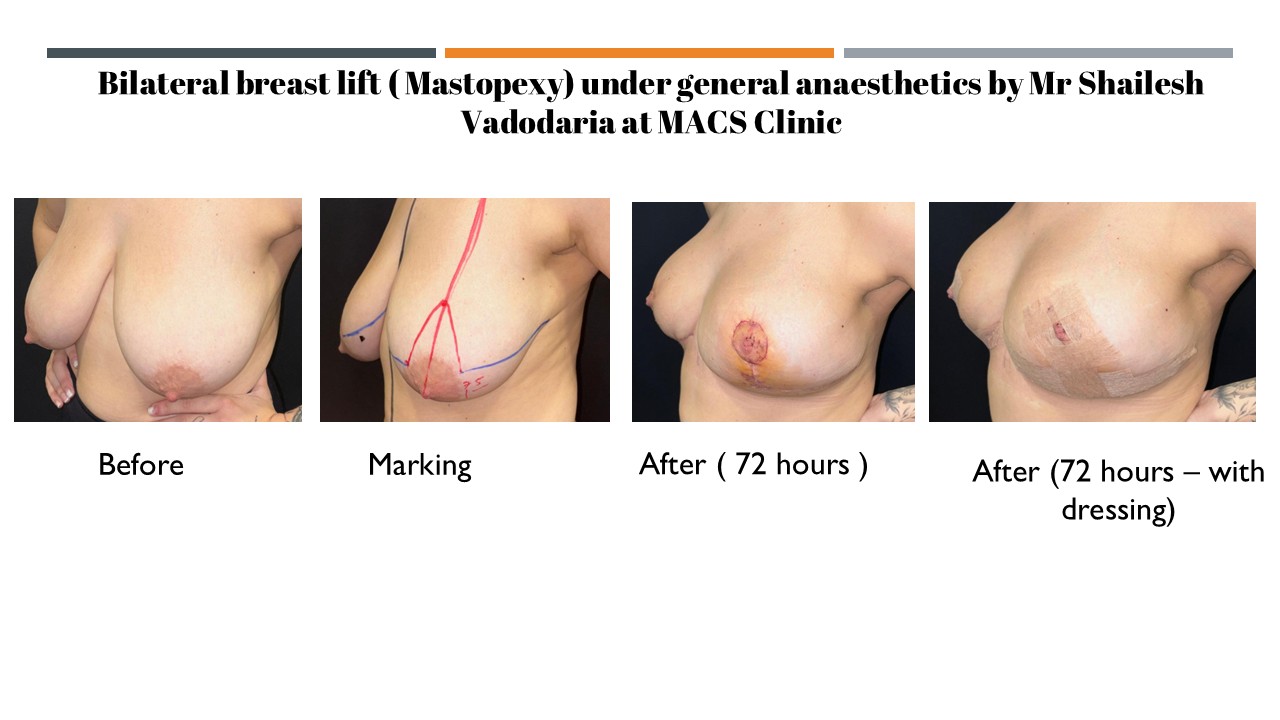
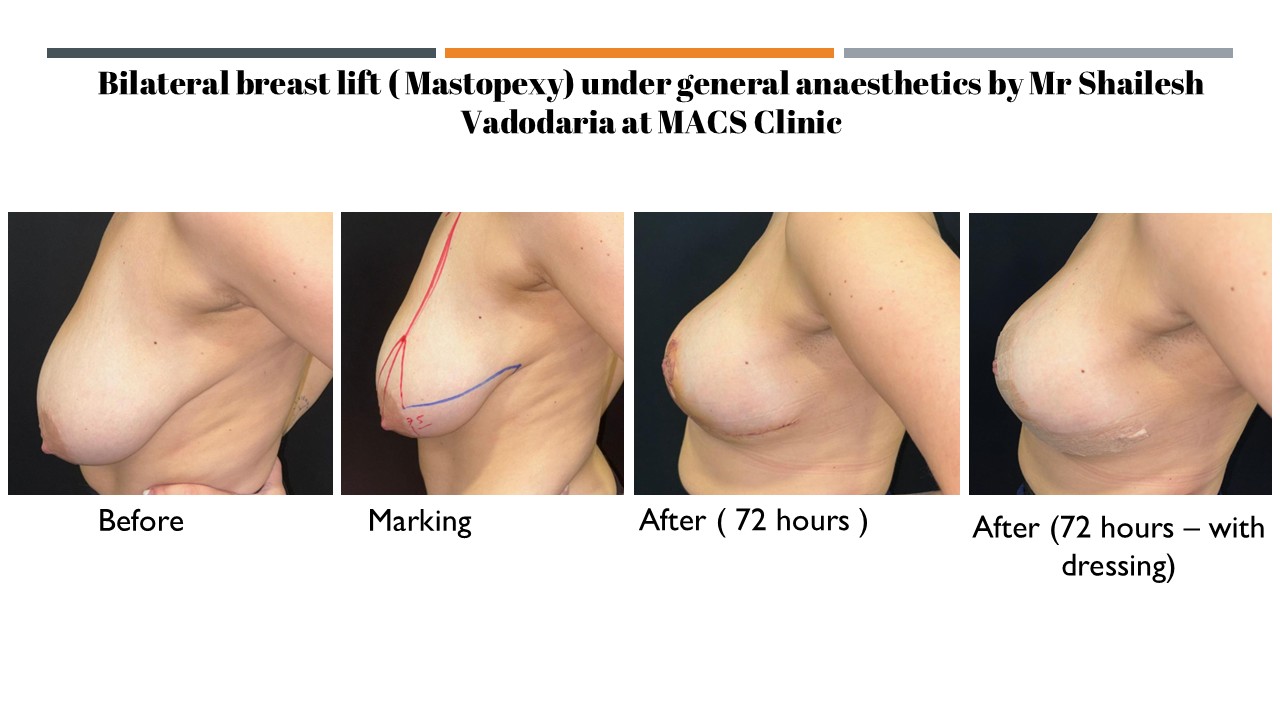
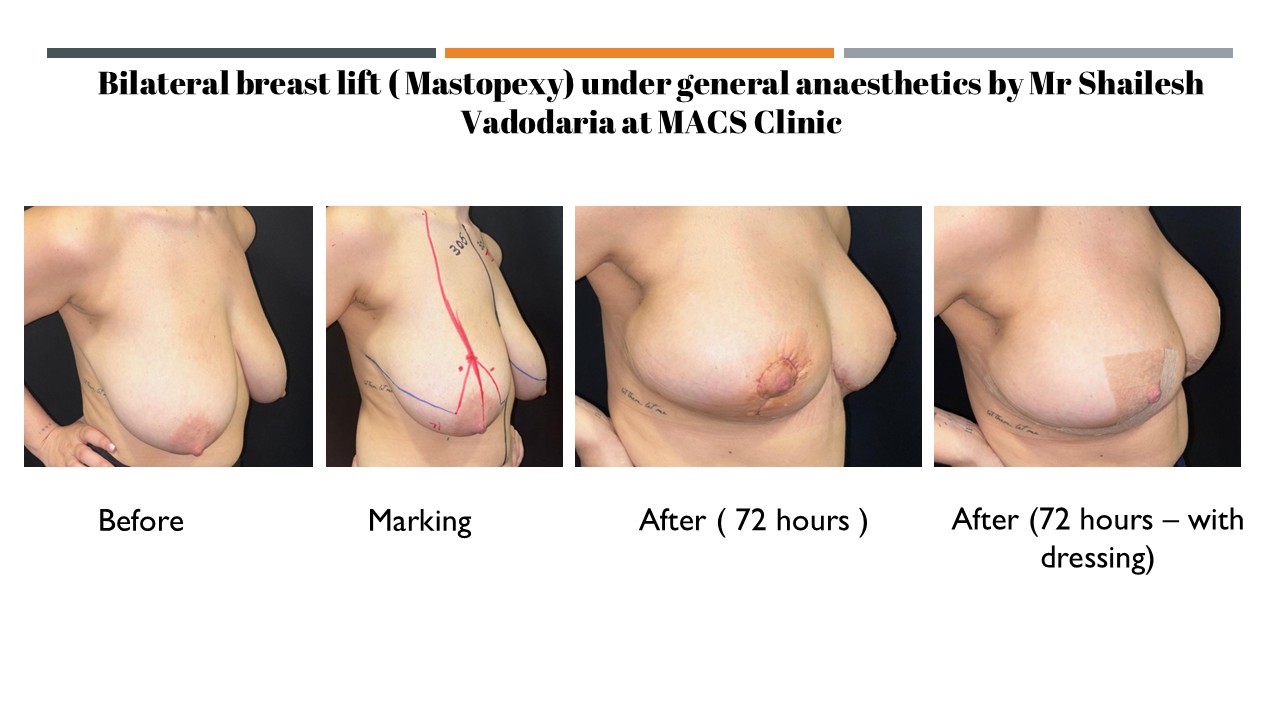
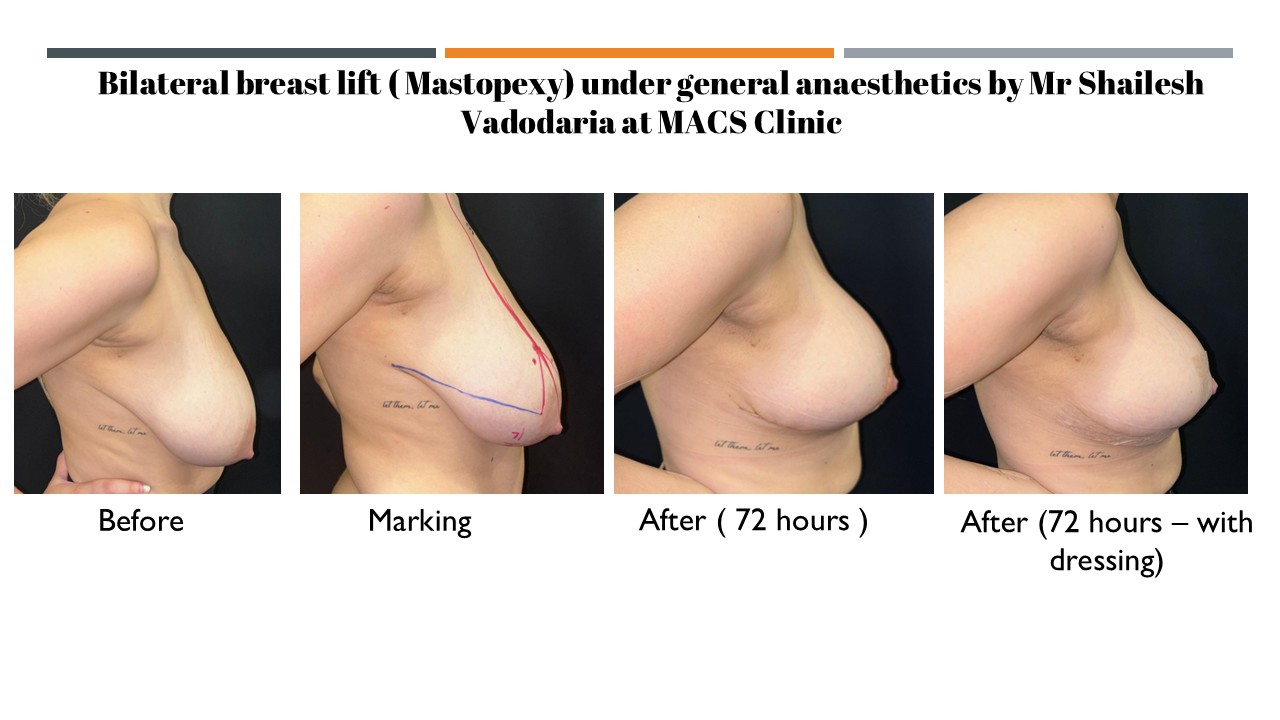
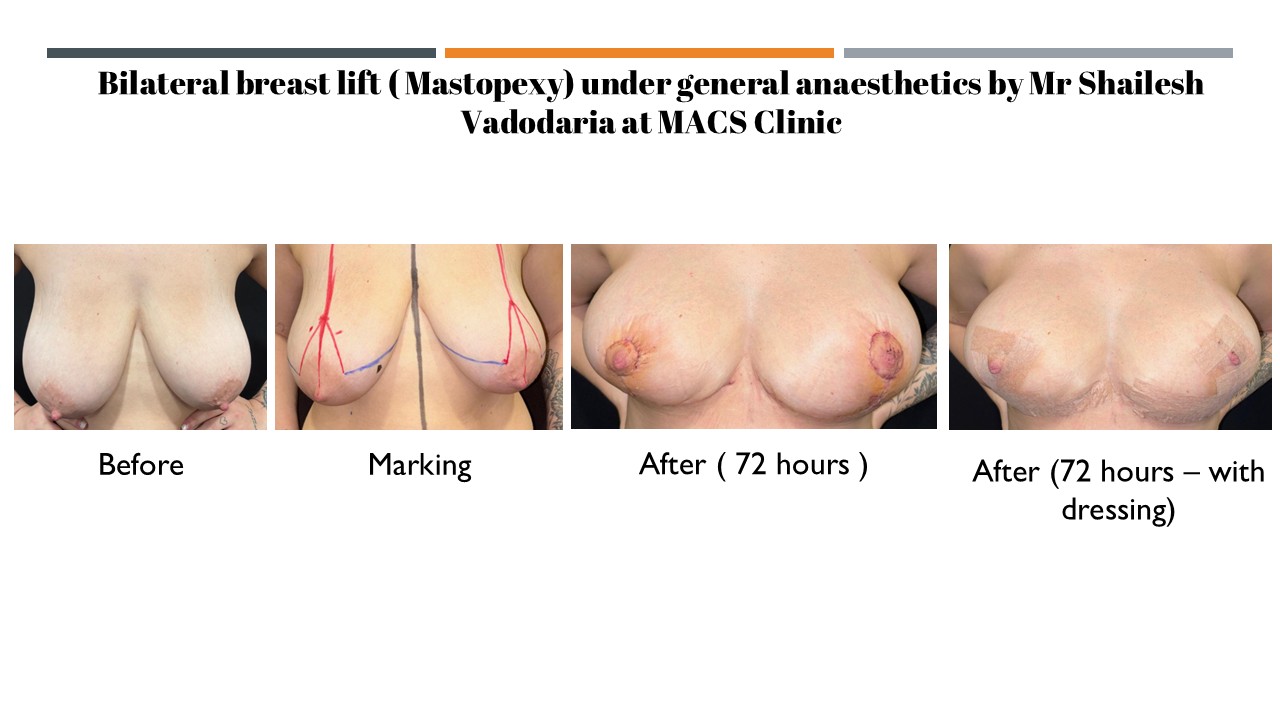
During your consultation at MACS Clinic, every patient undergoes a comprehensive assessment by Dr. Shailesh Vadodaria, Consultant Plastic Surgeon. Particular attention is paid to the quality of the skin, breast volume, nipple position, breast symmetry, previous surgery, body proportions and the patient’s individual goals. A detailed discussion helps determine whether a breast lift is appropriate and, if so, which technique is likely to provide the safest and most natural-looking result in multistage consultation process.
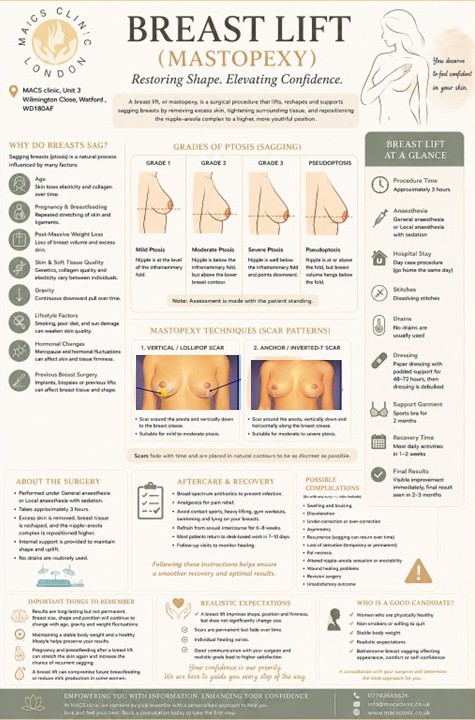
Breast ptosis is commonly classified according to the position of the nipple in relation to the natural fold beneath the breast (the inframammary fold). In mild (Grade I) ptosis, the nipple lies at the level of the fold. In moderate (Grade II) ptosis, it lies below the fold but remains above the lowest contour of the breast. In severe (Grade III) ptosis, the nipple points downwards and occupies the lowest part of the breast.
Some women also develop pseudoptosis, where the breast tissue droops below the fold while the nipple itself remains in a relatively satisfactory position. Correct assessment of the degree of ptosis is fundamental in selecting the most appropriate surgical technique.
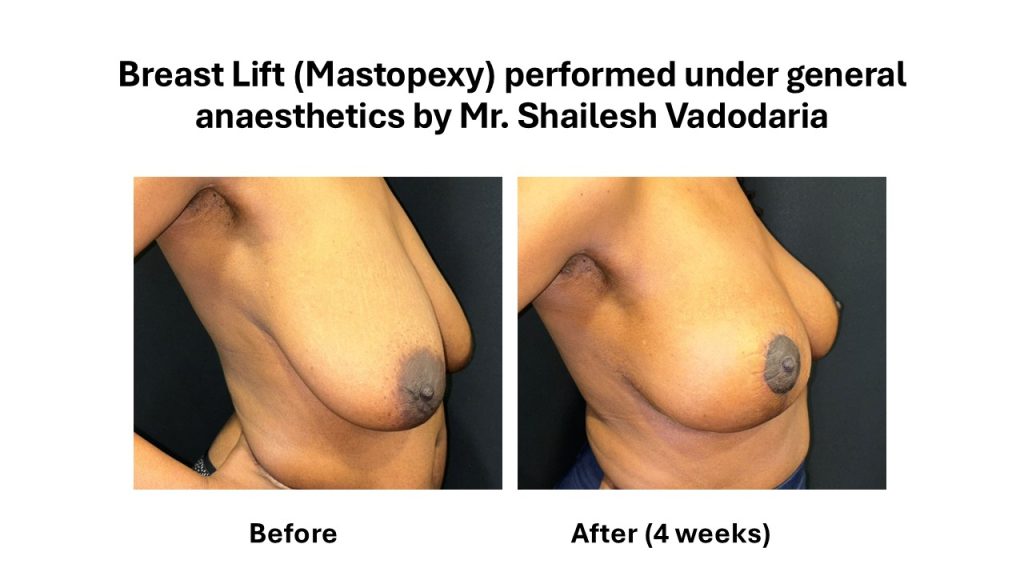
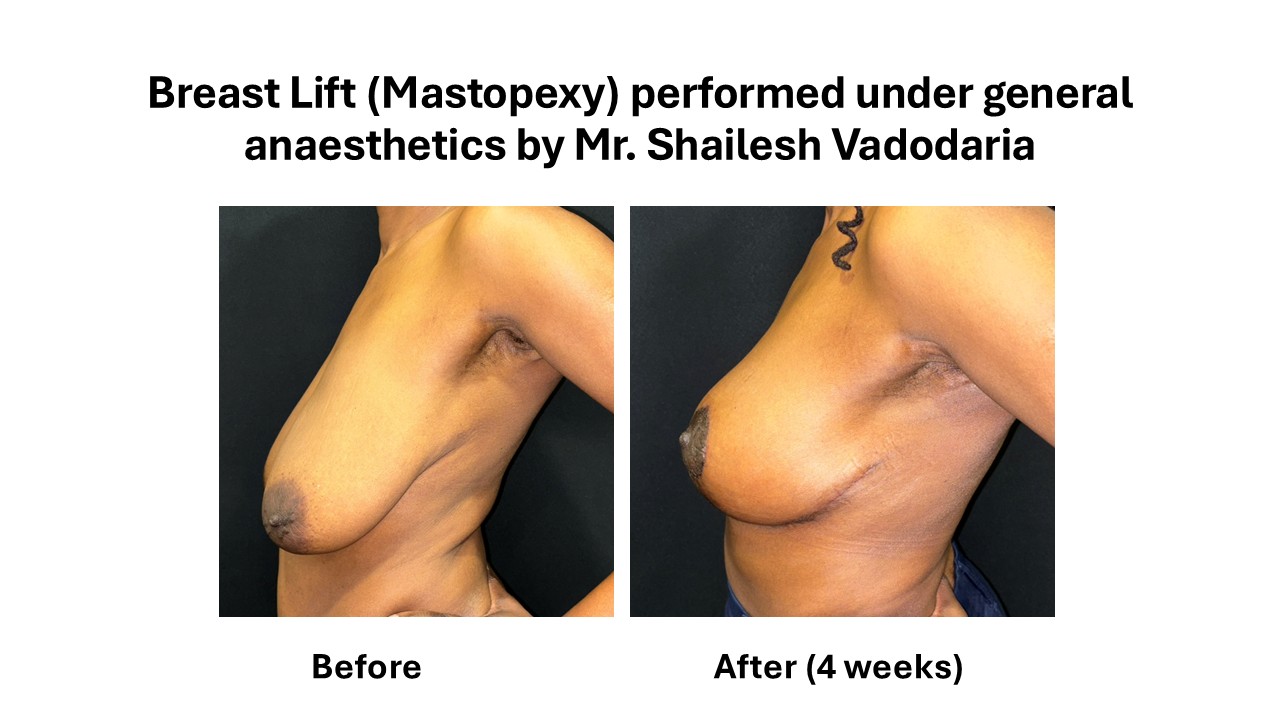
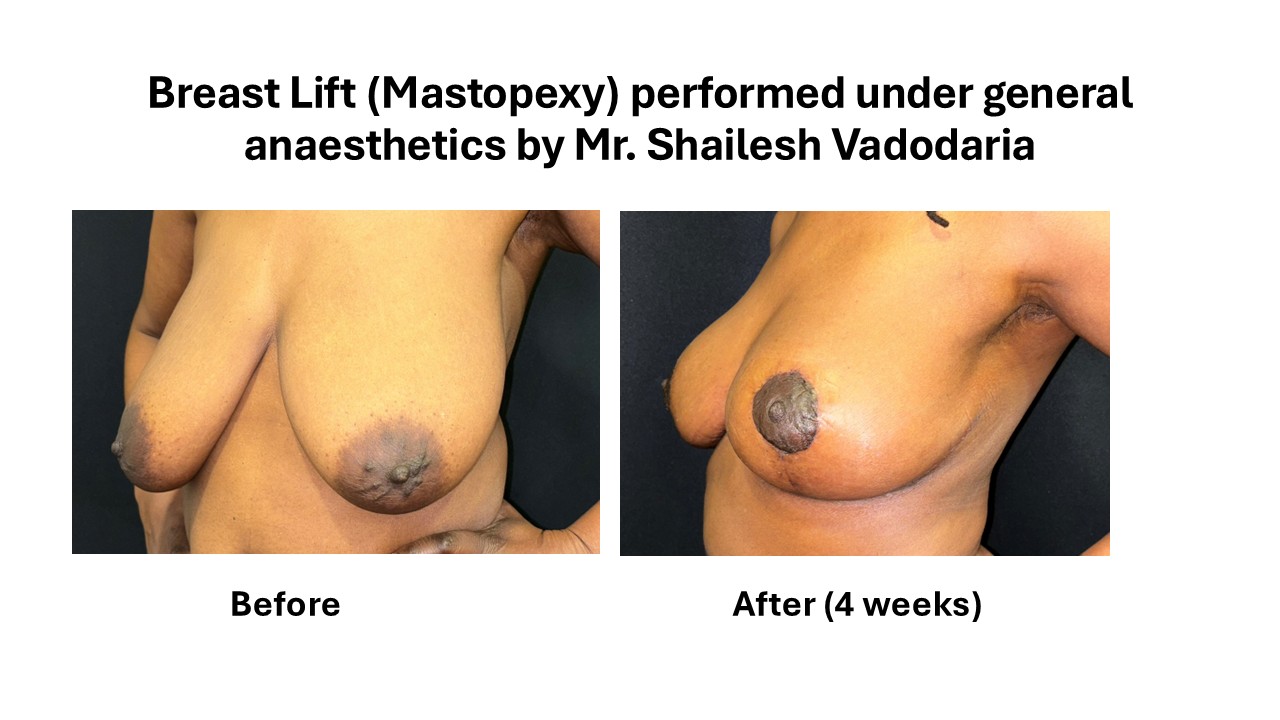
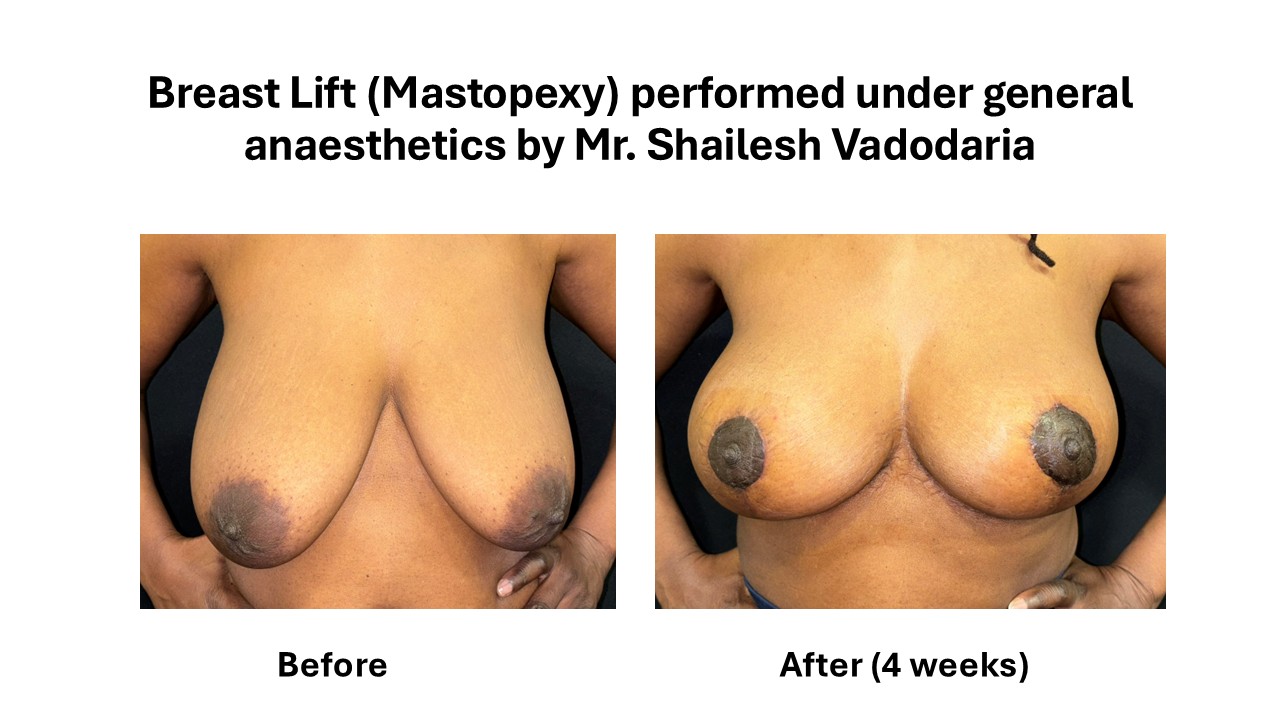
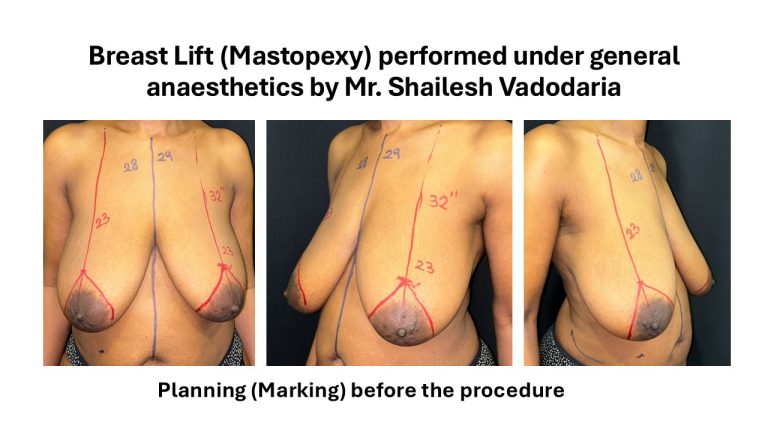
Several breast lift techniques are available, each tailored to the degree of breast drooping and the amount of excess skin present. Women with only minimal skin excess may be suitable for a periareolar (Benelli) mastopexy, where the incision is confined to the border of the areola. Moderate degrees of ptosis are often corrected using a vertical or “lollipop” mastopexy, which combines a circular incision around the areola with a vertical scar extending to the breast fold. More significant breast drooping generally requires a Wise-pattern or anchor-shaped mastopexy, incorporating an additional scar hidden within the breast crease to allow greater skin removal and more extensive reshaping. Although these scars are permanent, they usually fade considerably with time and are positioned to be as discreet as possible.
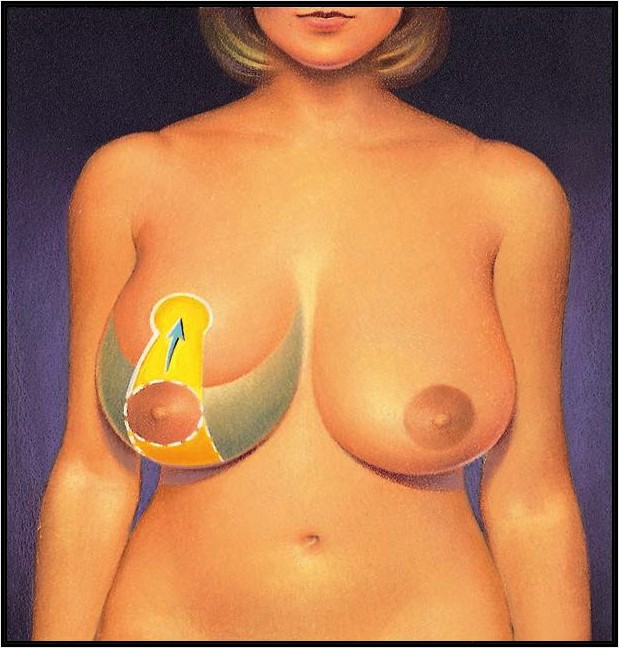
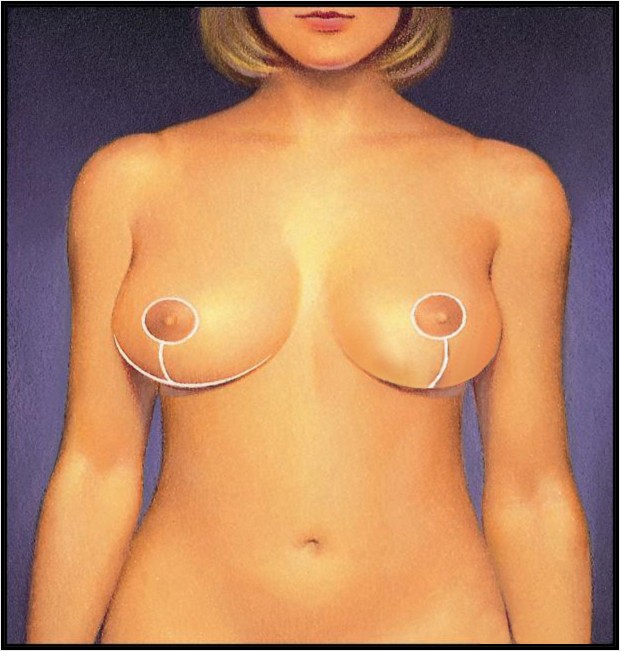
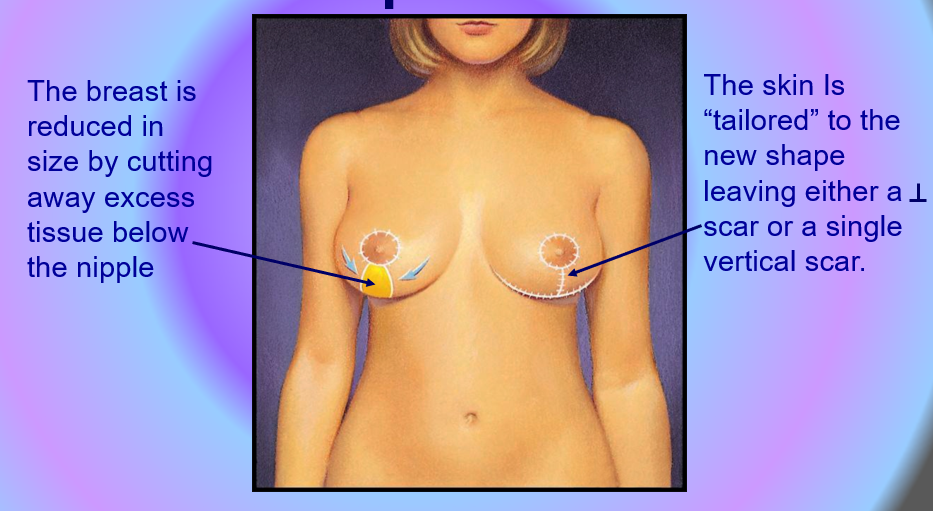
At MACS Clinic, mastopexy is performed as a day-case procedure. Depending upon the complexity of surgery, it may be carried out under local anaesthesia, local anaesthesia with intravenous sedation, or general anaesthesia. A limited periareolar mastopexy typically requires around 90 minutes, whereas more extensive breast lifts usually take between two and three hours. The operation involves removing carefully planned areas of excess skin, reshaping the underlying breast tissue to improve projection, and elevating the nipple-areola complex while preserving its blood supply and sensation as far as possible. The wounds are routinely closed using dissolving sutures, avoiding the need for stitch removal in most patients.
At MACS Clinic, we routinely administer broad-spectrum prophylactic antibiotics to minimise the risk of infection. Although mastopexy is generally not considered a particularly painful operation, patients are discharged with a prescription of oral tablets for pain relief to ensure a comfortable recovery.
Following surgery, patients are advised to wear a supportive sports bra continuously for the recommended period to minimise swelling and support the newly shaped breasts. The wound is normally reviewed approximately one week after surgery, followed by a further assessment at around six weeks. As part of our postoperative protocol, we recommend regular application of Clinisept® antimicrobial skin spray along the suture lines to help maintain excellent wound hygiene. A topical antibiotic ointment may also be prescribed during the early healing phase where appropriate. Once the wounds have fully healed, scar management is encouraged using silicone-based products, moisturising massage and protection from excessive sun exposure to optimise scar maturation.
Most patients are able to return to office-based work within one to two weeks, depending upon the extent of surgery and individual recovery. Heavy lifting, vigorous gym activities, weight training, swimming and contact sports should generally be avoided for approximately six weeks, or until advised otherwise by your surgeon. Sleeping directly on the breasts should also be avoided during the early healing period, and patients are encouraged to sleep on their back with the upper body slightly elevated for the first few weeks.
As with all surgical procedures, mastopexy carries potential risks and complications. These include bleeding, infection, delayed wound healing, unfavourable scarring, breast asymmetry, recurrent breast drooping over time, fat necrosis, contour irregularities and the possibility of revision surgery. Temporary changes in nipple sensation are relatively common during the healing process, although permanent reduction or alteration of sensation can occur. Some women may also notice changes in nipple erectability or a reduced ability to breastfeed following surgery, particularly when more extensive lifting procedures are required. Fortunately, serious complications affecting the blood supply to the nipple are uncommon when surgery is carefully planned and performed by an experienced plastic surgeon.
It is equally important to appreciate that breast lift surgery improves breast shape and position but cannot permanently halt the natural ageing process. Future pregnancies, breastfeeding, significant weight fluctuations and the effects of gravity may all influence the long-term appearance of the breasts. While excellent improvements can be achieved, perfect symmetry cannot be guaranteed, and every operation leaves permanent scars, although these usually continue to soften and fade over the course of 12 to 18 months.
At MACS Clinic, our philosophy is centred on ethical practice, patient education and realistic expectations. Every treatment recommendation is individualised, with the objective of allowing patients to make informed choice, looking after patients with personalised compassionate care. We believe that informed patients make the best decisions, and our consultation process is designed to ensure that every patient fully understands both the benefits and the limitations of breast lift surgery before proceeding. Dr Vadodaria discusses various options with his patients in order for the patients to make an informed choice.
If you are considering a breast lift and would like an honest, personalised assessment of your options, we would be pleased to welcome you to MACS Clinic for a comprehensive consultation with Dr. Shailesh Vadodaria, Consultant Plastic Surgeon.
Contact MACS Clinic
- Phone: 020 7078 4378
- WhatsApp: 07792 648 726
- Email: enquiries@macsclinic.co.uk
- Website: www.macsclinic.co.uk
- BOOK a FREE Video Consultation: https://calendly.com/macsclinic/free-video-consultation?month=2025-01