Monday - Friday: 9.30 am to 6.00 pm,
Saturday - By Prior Appointment
Unit 3, Wilmington Cl, Watford WD18 0AF

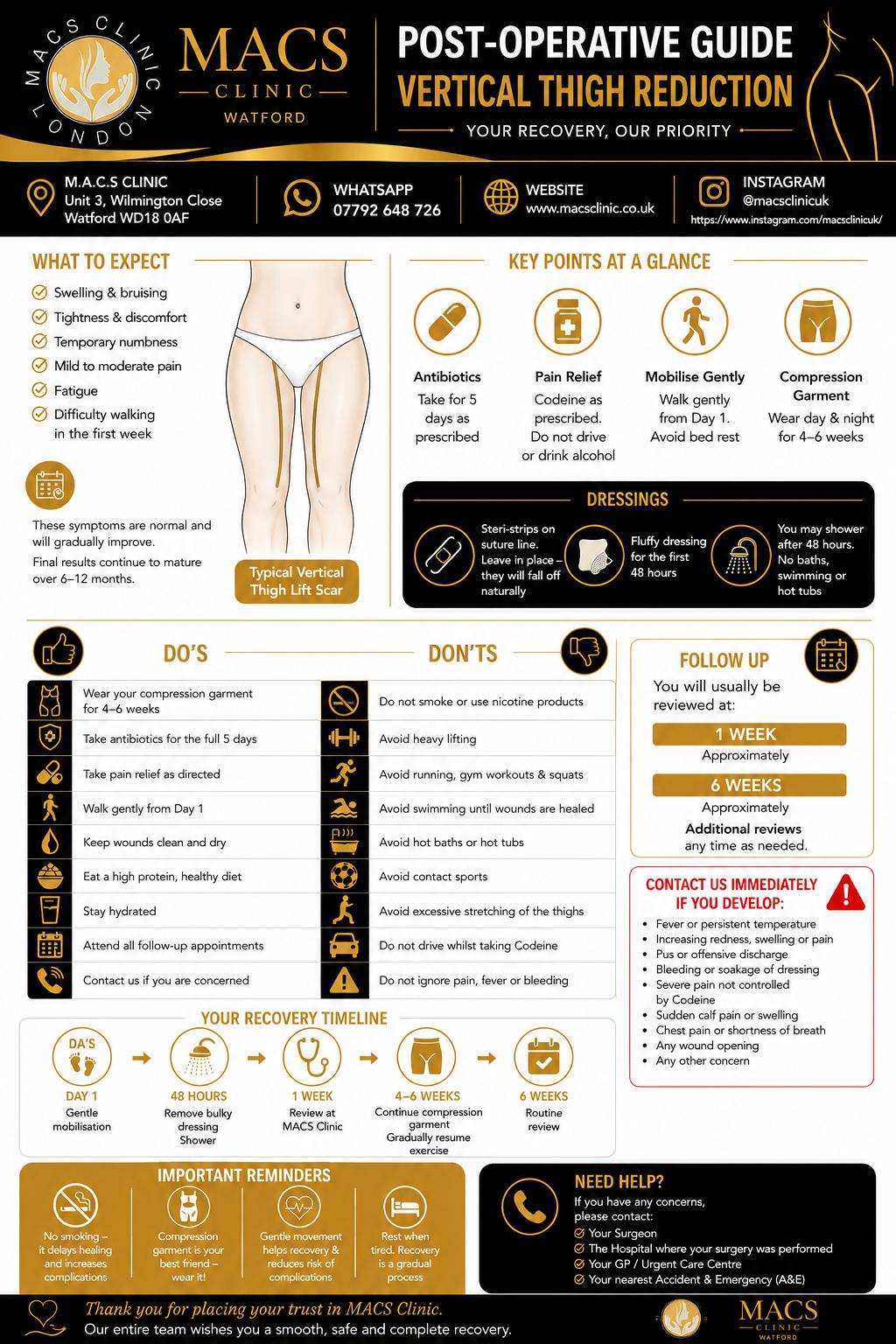
Post-Operative Information Guide Vertical Thigh Reduction (Vertical Medial Thigh Lift)

Posted on: 1 Aug 2026

Dr. Shailesh Vadodaria
Consultant Plastic Surgeon

Thank You

Thank you for choosing MACS Clinic for your surgery.

Our entire team is committed to making your recovery as safe, comfortable and smooth as possible. Every patient heals at a different rate, therefore these instructions are intended as a general guide. If at any stage you have any concerns, please contact us for advice.

We wish you a rapid, safe and complete recovery.

What to Expect After Surgery

Following a vertical thigh reduction you may experience:

  • Mild to moderate discomfort during the first few days
  • Swelling of the thighs
  • Bruising
  • Tightness across the inner thighs
  • Temporary numbness or altered skin sensation
  • Difficulty walking normally during the first week
  • Mild fatigue

These symptoms gradually improve over the following weeks.

Final results continue to mature over 6–12 months as swelling settles and scars soften.

Your Dressings

Immediately after surgery you will normally have:

  • Steri-Strips™ (paper adhesive strips) over the incision
  • A soft absorbent (fluffy) dressing
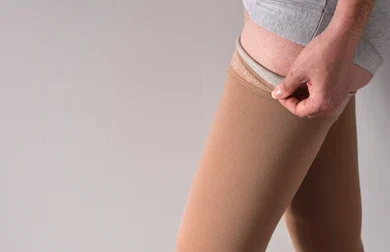
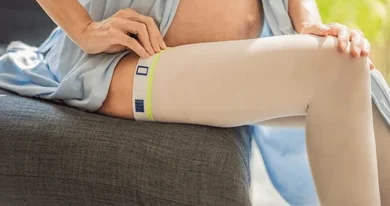
  • Compression garment

Fluffy dressing

This usually remains in place for approximately 48 hours, unless advised otherwise.

Steri-Strips

The paper strips should be left undisturbed until they naturally loosen or until they are removed during your follow-up appointment.

Please do not pull them off yourself.

Compression Garment

A compression garment plays an important role in recovery.

It helps to:

  • Reduce swelling
  • Improve comfort
  • Support healing tissues
  • Reduce fluid accumulation
  • Improve contour

Please wear your clean and regularly washed compression garment:

  • Day and night for 4–6 weeks
  • It may be removed briefly for showering and washing.

Ensure the garment fits comfortably without excessive folding or creasing.

Medications

Please take all prescribed medications exactly as instructed.

Antibiotics

You will usually receive a 5-day course of oral antibiotics.

Complete the full course even if you feel well.

Pain Relief

You have been prescribed Codeine/ Paracetamol for pain control.

Take only as directed.

Codeine may cause:

  • Constipation
  • Drowsiness
  • Nausea

Whilst taking Codeine:

  • Do not drive if affected.
  • Avoid alcohol.
  • Drink plenty of water.
  • Consider increasing dietary fibre or using a mild laxative if required.

As discomfort improves you may gradually change to simple pain relief such as paracetamol if appropriate.

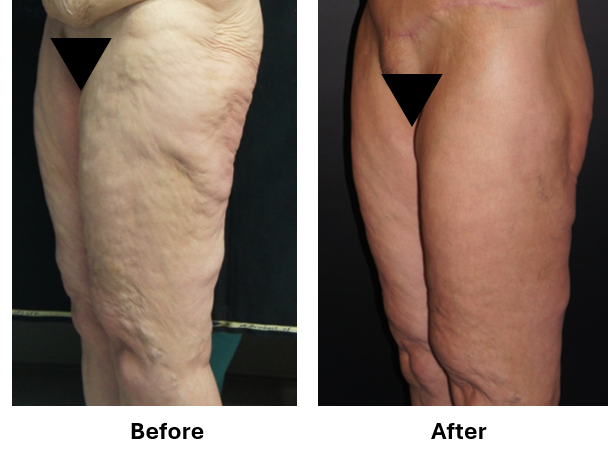
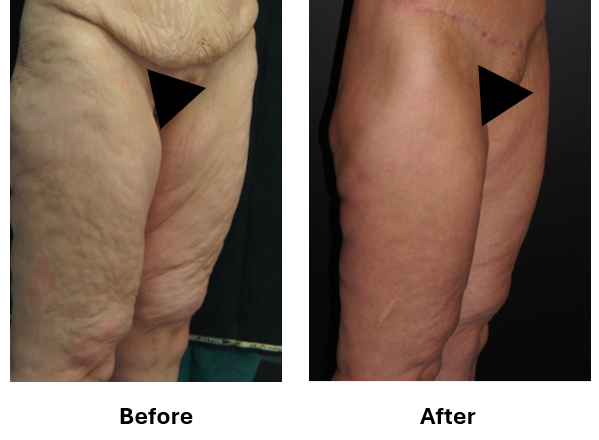
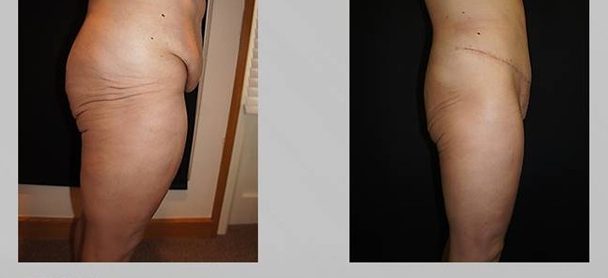
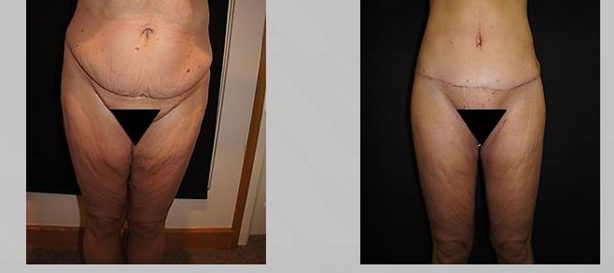
Liposuction assisted thigh reduction following massive weight loss performed under general anaesthetics

Walking and Mobilisation

Gentle mobilisation is encouraged from Day 1.

Short walks around the house every few hours help to:

  • Improve circulation
  • Reduce stiffness
  • Reduce the risk of deep vein thrombosis (DVT)

Avoid prolonged bed rest.

Equally, avoid excessive walking during the first week.

Listen to your body and gradually increase activity.

Showering:

You are allowed to do sponging of the exposed part of body from day 2 of your operation .

We will advise you of your timing of commencing shower after your clinical examination .

Please:

  • Keep showers brief.
  • Avoid soaking the wounds.
  • Pat the wounds dry gently.
  • Do not rub the incision.
  • Avoid baths, hot tubs and swimming until your surgeon confirms that healing is complete.
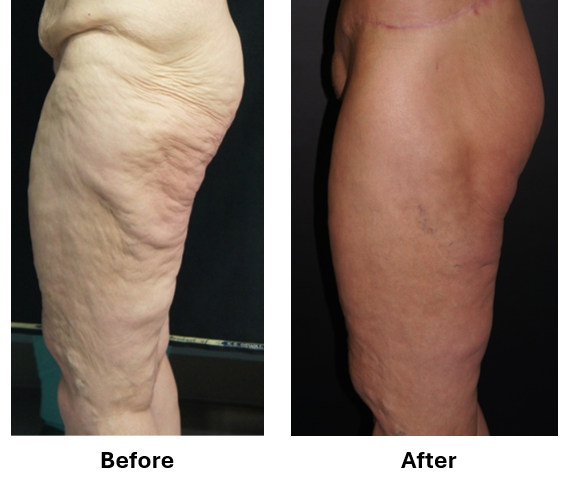
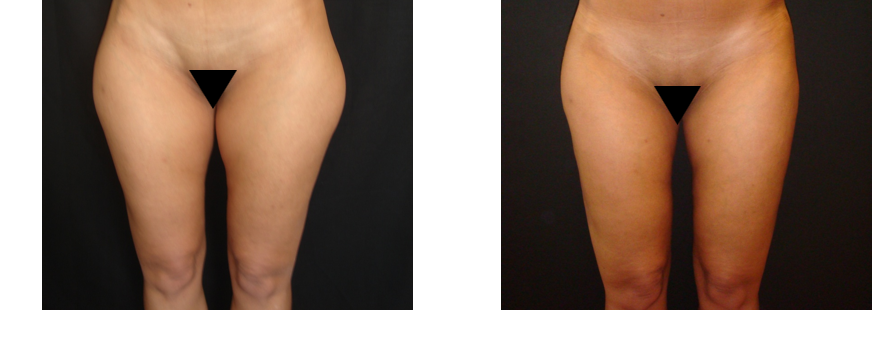
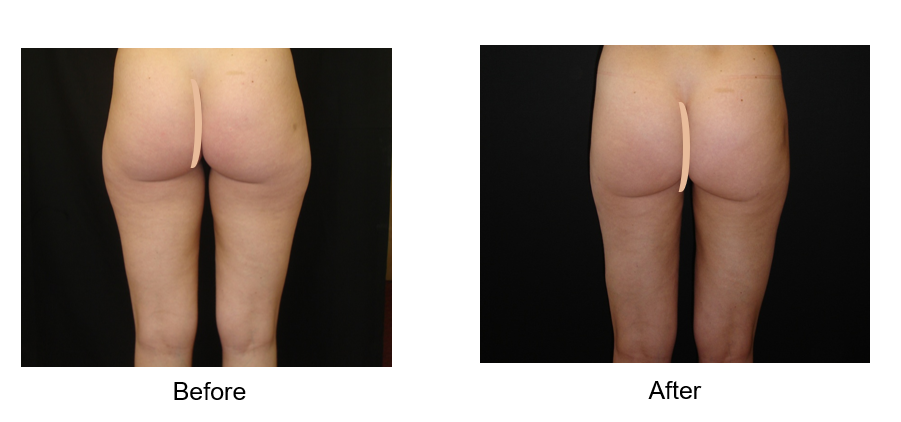
Liposuction inner and outer thighs performed under general anaesthetics by Mr. Shailesh Vadodaria

Wound Care

Please keep your wounds:

  • Clean
  • Dry
  • Protected

Do not apply creams, lotions or ointments unless specifically advised.

Avoid scratching healing scars.

Smoking and Nicotine

Smoking significantly reduces blood supply to healing tissues.

This increases the risk of:

  • Delayed healing
  • Infection
  • Skin loss
  • Poor scars
  • Wound separation

Please avoid:

  • Cigarettes
  • Cigars
  • Vaping
  • Nicotine patches
  • Nicotine gum

for the recommended period advised by your surgeon.

Activity

Recovery should be gradual.

Most patients notice significant improvement over the first few weeks.

Avoid activities that place tension on the inner thigh scars.

Heavy exercise too early may increase swelling and delay healing.

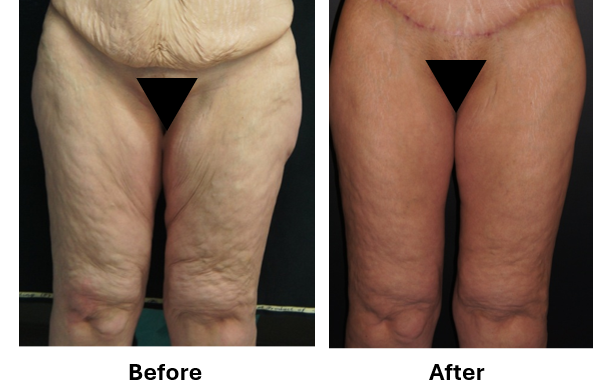
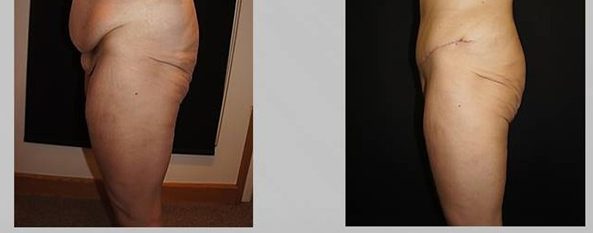
Thigh reduction procedure performed under general anaesthetics by Mr. Shailesh Vadodaria

Scar Care

Your scars will continue to mature over many months.

Once the wounds are completely healed, your surgeon may recommend:

  • Silicone gel
  • Silicone sheets
  • Scar massage
  • Sun protection

Protect scars from direct sunlight for at least 12 months.

Follow-Up Appointments

Your routine reviews are usually arranged:

  • Approximately 1 week
  • Approximately 6 weeks

Additional appointments are available whenever required.

Please do not hesitate to contact us if you have any concerns.

Returning to Work

This depends upon your occupation, your energy levels and personal preferences .

Typical guidance:

  • Office-based work: approximately 2–3 weeks
  • Physically demanding occupations: often 4–6 weeks or longer

Your surgeon will advise according to your progress.

Driving

Do not drive until:

  • You are no longer taking Codeine or other sedating medication.
  • You can perform an emergency stop comfortably.
  • You can enter and leave the vehicle safely.
  • You feel confident controlling the vehicle.
  • You should discuss and get an approval from us your intentions of driving with us before you commence it .

Exercise

Gradually increase activity.

Walking is encouraged.

More strenuous exercise should only be resumed once approved by your surgeon.

Avoid:

  • Running
  • Cycling
  • Gym workouts
  • Squats
  • Lunges
  • Heavy lifting
  • Contact sports

during the early recovery period.

Travel

During the early recovery period:

  • Walk regularly.
  • Stay well hydrated.
  • Avoid prolonged periods of sitting.

Please discuss long-distance travel and flights with your surgeon.

Swimming should also be avoided until wounds are completely healed.

When Should You Seek Medical Advice?

Please seek urgent medical attention if you develop:

  • Fever or persistent temperature
  • Increasing redness spreading around the wound
  • Increasing swelling
  • Pus or offensive discharge
  • Persistent bleeding
  • Significant soakage through the dressing
  • Severe pain not relieved by prescribed Codeine
  • Sudden calf pain or swelling
  • Chest pain
  • Shortness of breath
  • Difficulty breathing
  • Any wound opening
  • Any concern that something is not progressing normally

If necessary please contact:

  • Your surgeon
  • The hospital where your operation was performed
  • Your GP
  • Your nearest Urgent Care Centre
  • Your local Accident & Emergency Department (A&E)

Do not delay seeking medical advice if you are worried.

Recovery Checklist

Please Do

Please Avoid

Wear your compression garment for 4–6 weeks

Smoking or nicotine products

Take antibiotics for the full 5 days

Heavy lifting

Take prescribed pain relief as directed

Running or jogging

Walk gently from Day 1

Gym workouts too early

Keep wounds clean and dry

Swimming until wounds have healed

Attend all follow-up appointments

Hot baths or hot tubs

Stay well hydrated

Contact sports

Eat a healthy high-protein diet

Excessive stretching of the thighs

Rest when tired

Driving whilst taking Codeine

Contact us if you are concerned

Ignoring increasing pain, fever or bleeding

Frequently Asked Questions

When will swelling settle?

Most swelling improves during the first 6–8 weeks, although subtle swelling may continue improving for several months.

Will my scars fade?

Yes. Scars gradually soften and fade over 12–18 months, although they will never disappear completely.

When can I sleep normally?

Most patients are comfortable sleeping on their back initially. Side sleeping can usually be resumed when comfortable and approved by your surgeon.

When can I resume intimate activity?

Usually after approximately 4–6 weeks, once wounds have healed comfortably and after discussion with your surgeon.

A Final Message

Recovering from a thigh lift is a gradual process. Good wound care, healthy nutrition, gentle mobilisation, wearing your compression garment and attending follow-up appointments all contribute to achieving the best possible outcome.

If you have any concerns, however small they may seem, please contact us or take advice from your local medical practitioner . In doubt please seek advice from your medical practitioner than allow a potentially avoidable problem to develop.

The entire team at MACS Clinic wishes you a safe, comfortable and complete recovery.
Contact MACS Clinic

FREE VIDEO/FACE TO FACE CONSULTATION

WITH CONSULTANT PLASTIC SURGEON