Monday - Friday: 9.30 am to 6.00 pm,
Saturday - By Prior Appointment
Unit 3, Wilmington Cl, Watford WD18 0AF

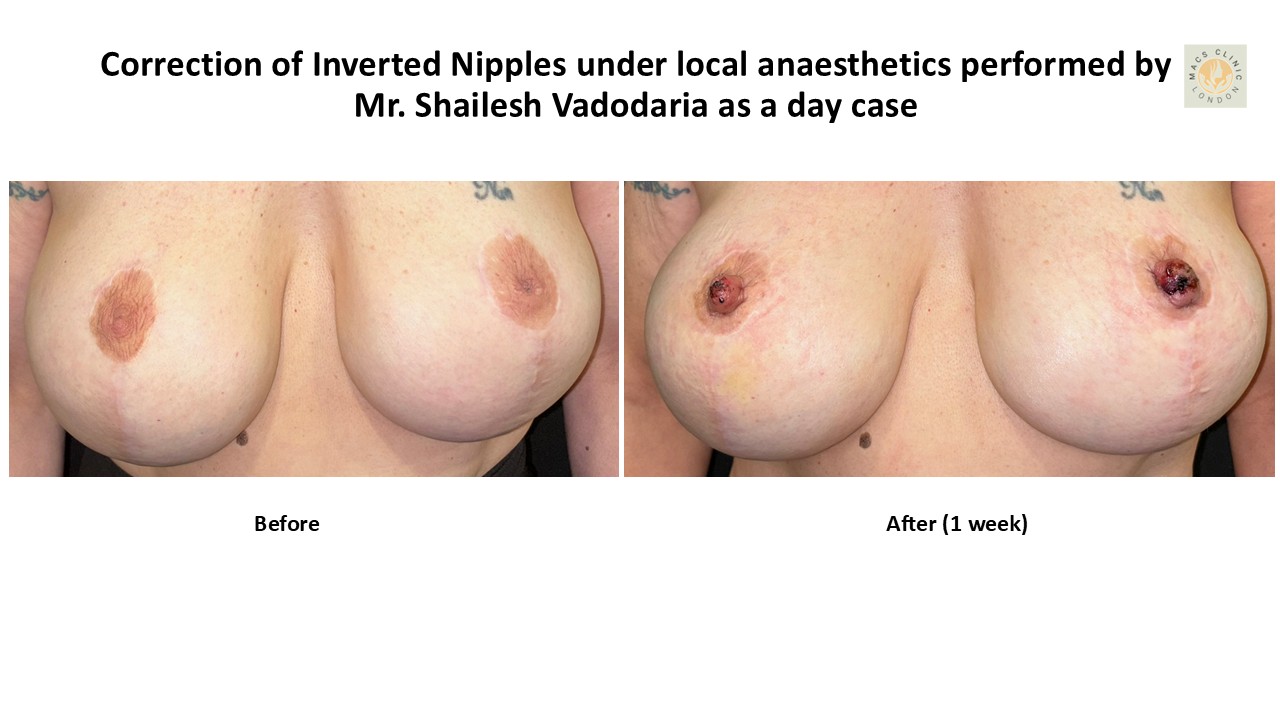
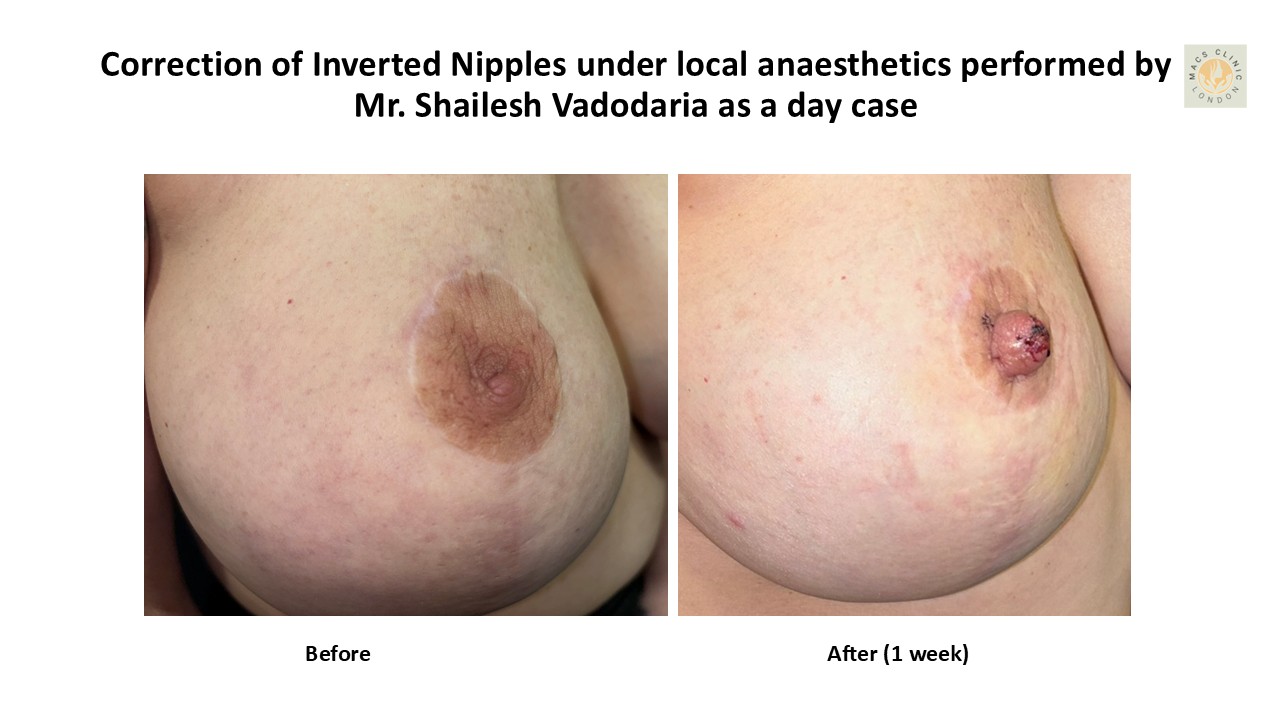
Inverted Nipple Correction Under Local Anaesthetic: What to Expect Before, During and After Surgery

Posted on: 18 Jun 2026

By Dr Shailesh Vadodaria

Consultant Plastic Surgeon

MACS Clinic, Watford

Introduction

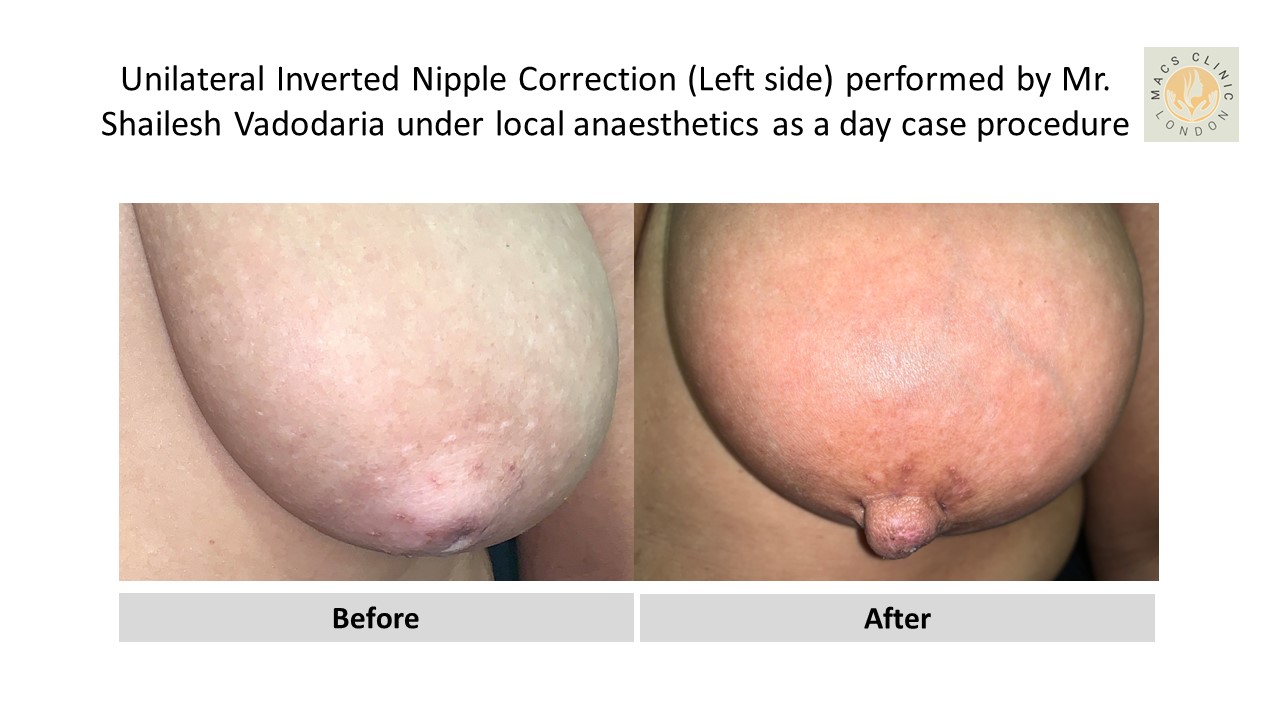
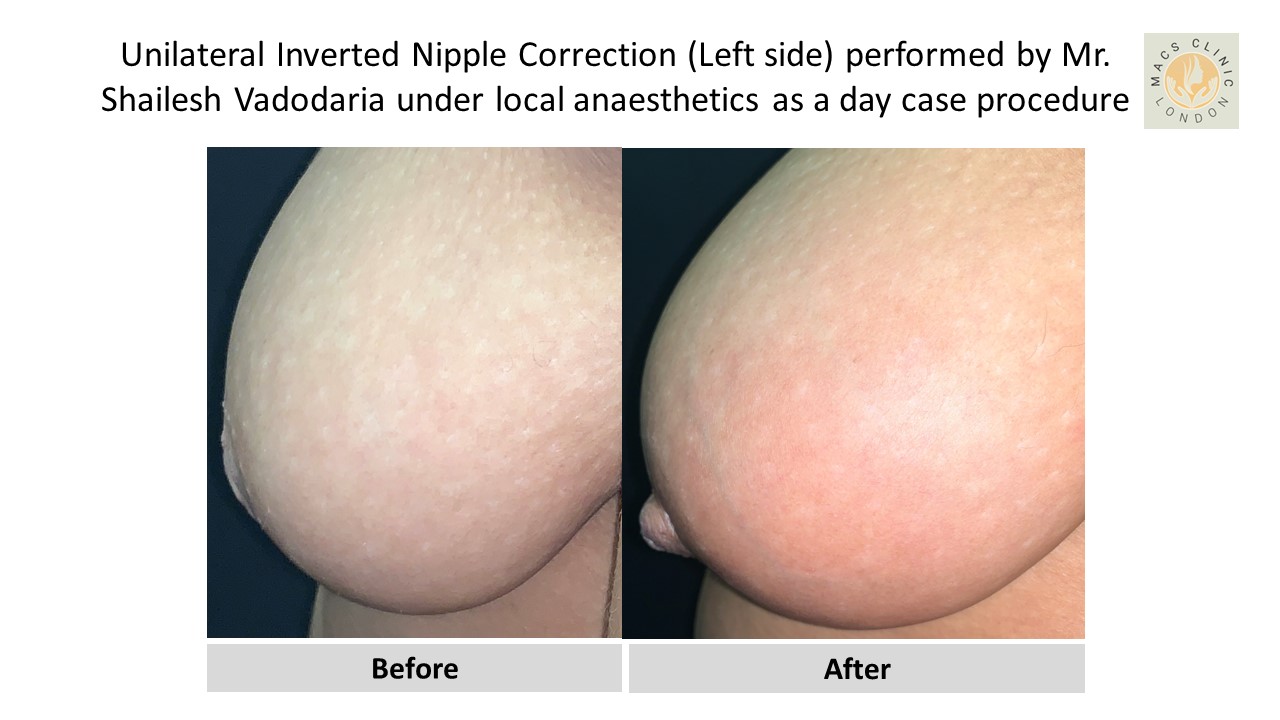
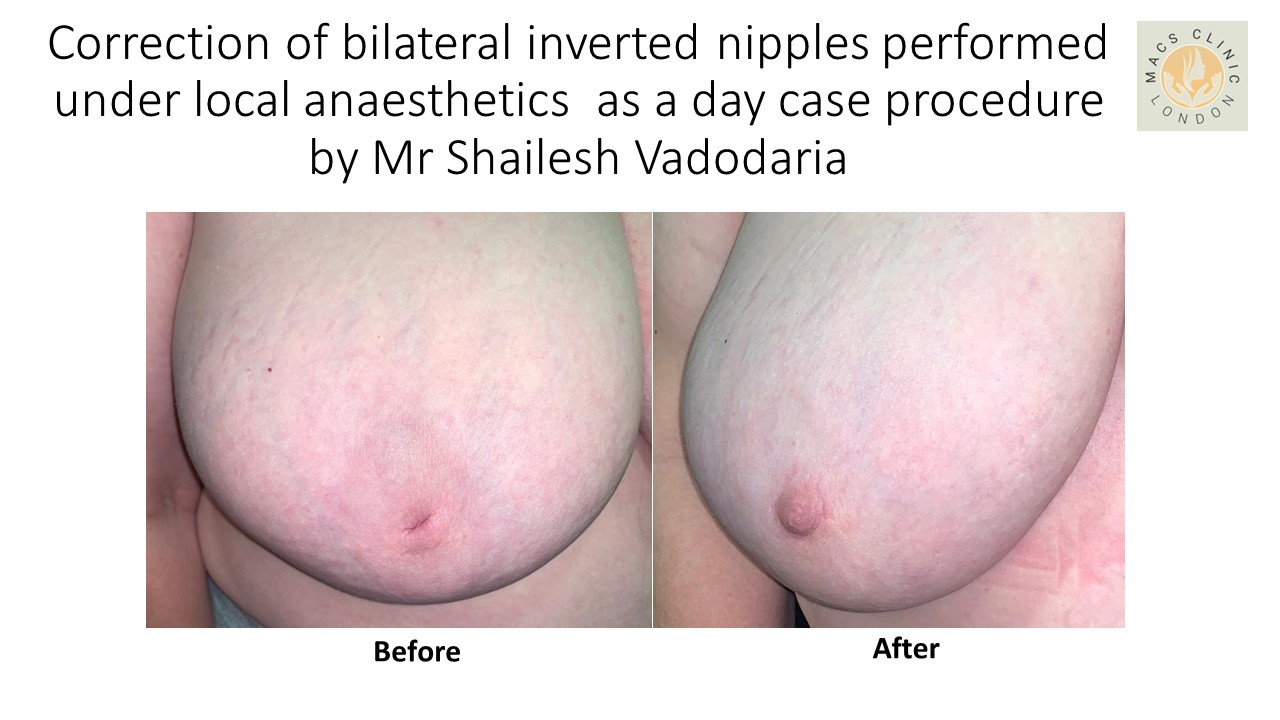
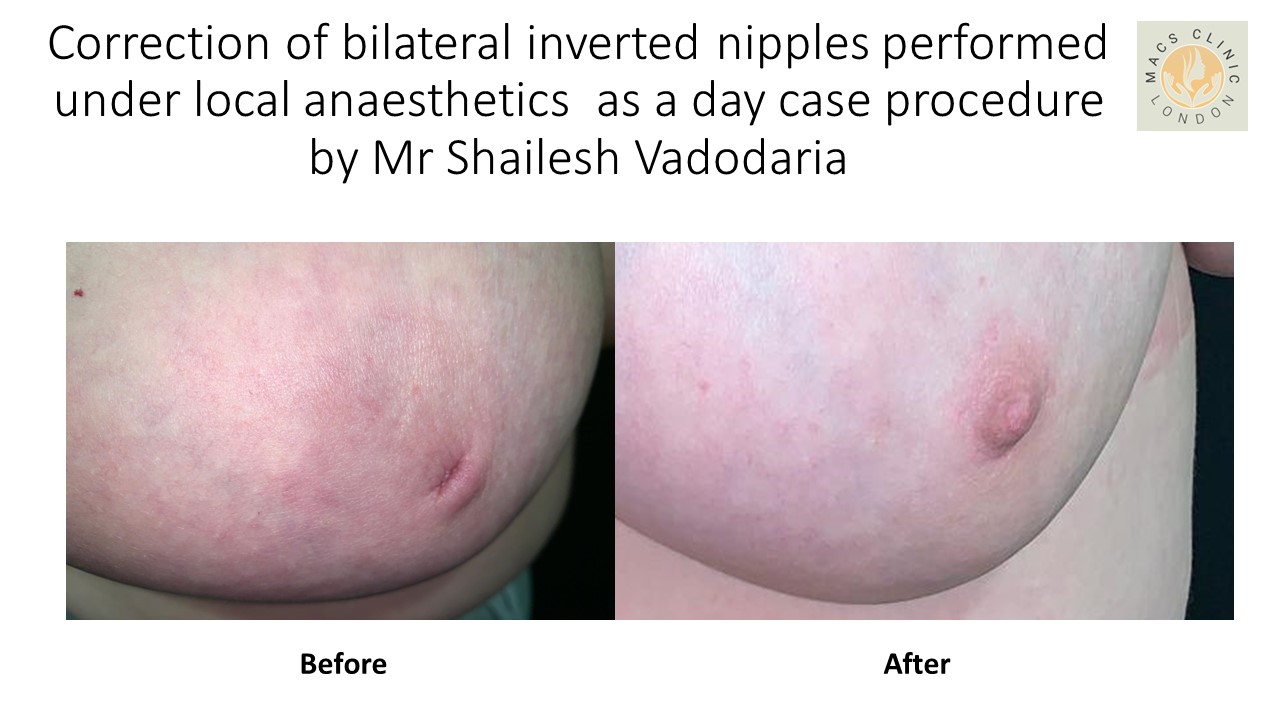
Inverted nipple correction is a relatively recognised procedure designed to correct an inverted or retracted nipple and can potentially improve function and hygiene.

At MACS Clinic, the procedure is routinely performed under local anaesthetic as a day-case treatment, allowing patients to return home shortly after surgery.

This article explains what causes nipple inversion, how the procedure is performed, and what patients can expect during recovery.

What Is an Inverted Nipple?

An inverted nipple is a nipple that turns inward rather than projecting outward from the breast.

Nipple inversion may affect one or both breasts and can vary from mild to severe.

Some patients have had inverted nipples since birth, while others develop inversion later in life.

Why Do Nipples Become Inverted?

The most common causes include:

* Congenital shortening of milk ducts

* Tight fibrous tissue beneath the nipple

* Developmental variation

* Previous breast surgery

* Trauma

* Breastfeeding-related changes

* Age-related changes

Sudden onset nipple inversion, particularly in adulthood, should always be assessed by an appropriate healthcare professional before considering cosmetic correction to exclude other sinister conditions which requires priority attention .

Who Is Suitable for Surgery?

Patients may be suitable if they:

* Have congenital nipple inversion

* Feel self-conscious about nipple appearance

* Experience difficulty with hygiene

* Have recurrent irritation within the inverted nipple

  • Difficulty in breast feeding
  • Self conscious during intimate situation
  • Affects selection of bra and garments

* Understand the benefits and limitations of surgery

* Understand and accept possible complications and limitations

A detailed consultation is essential before treatment.

How Is the Procedure Performed?

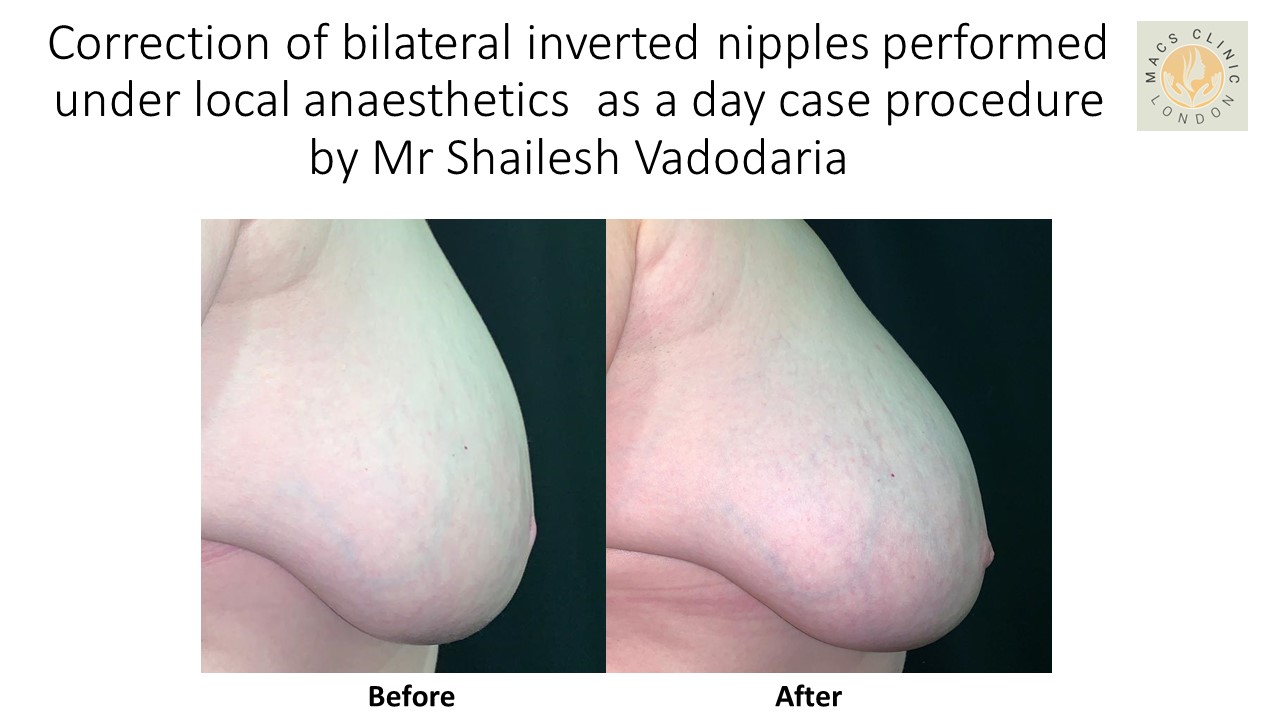
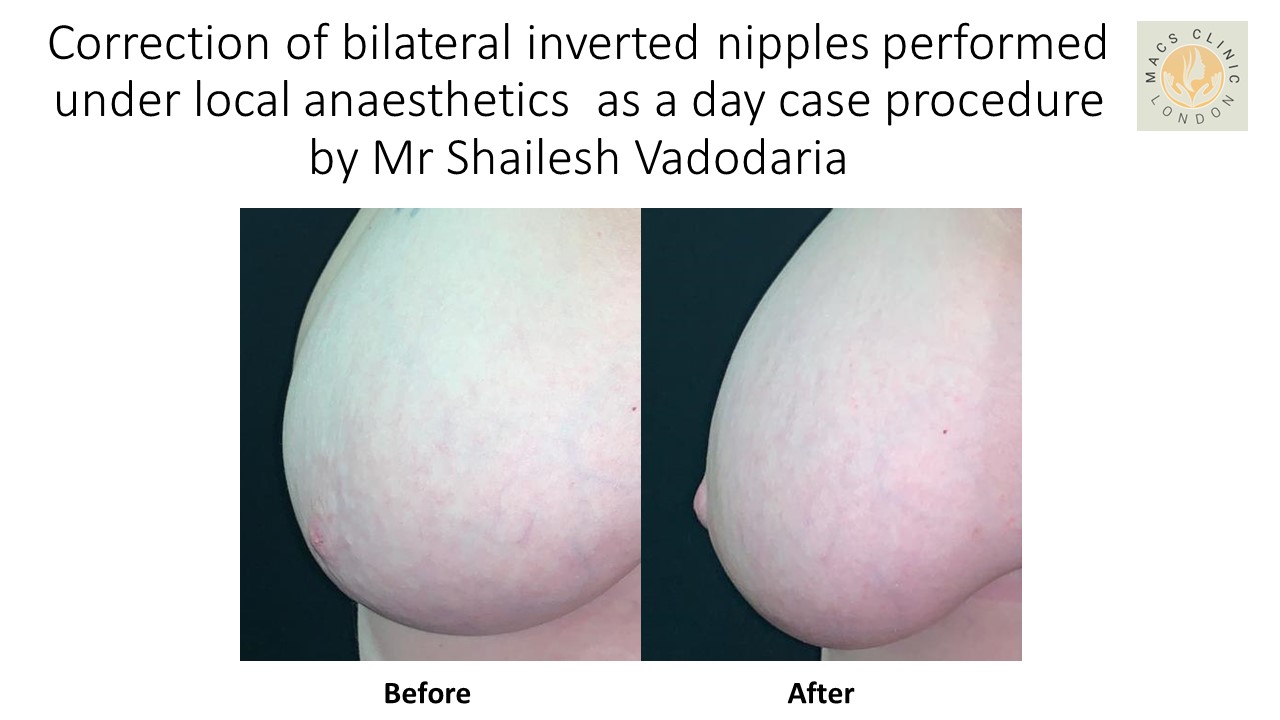
At MACS Clinic, inverted nipple correction is usually performed under local anaesthetic.

The procedure typically takes approximately 30 to 45 minutes.

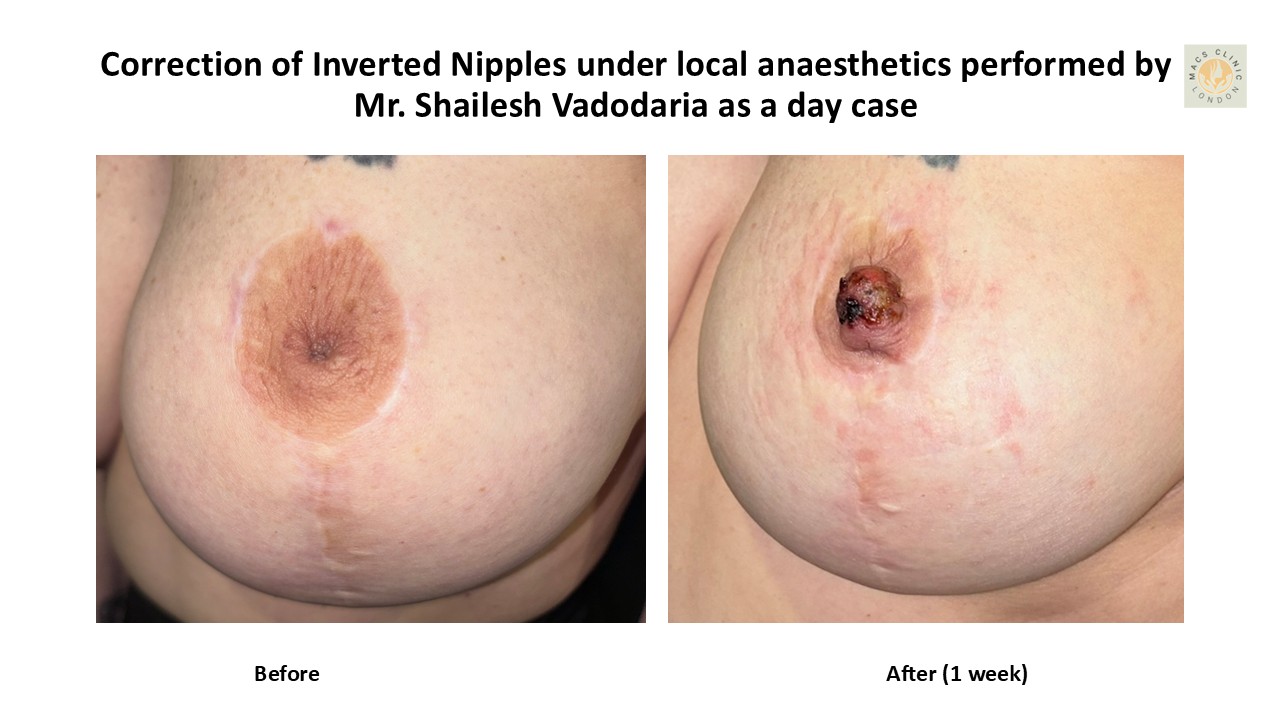
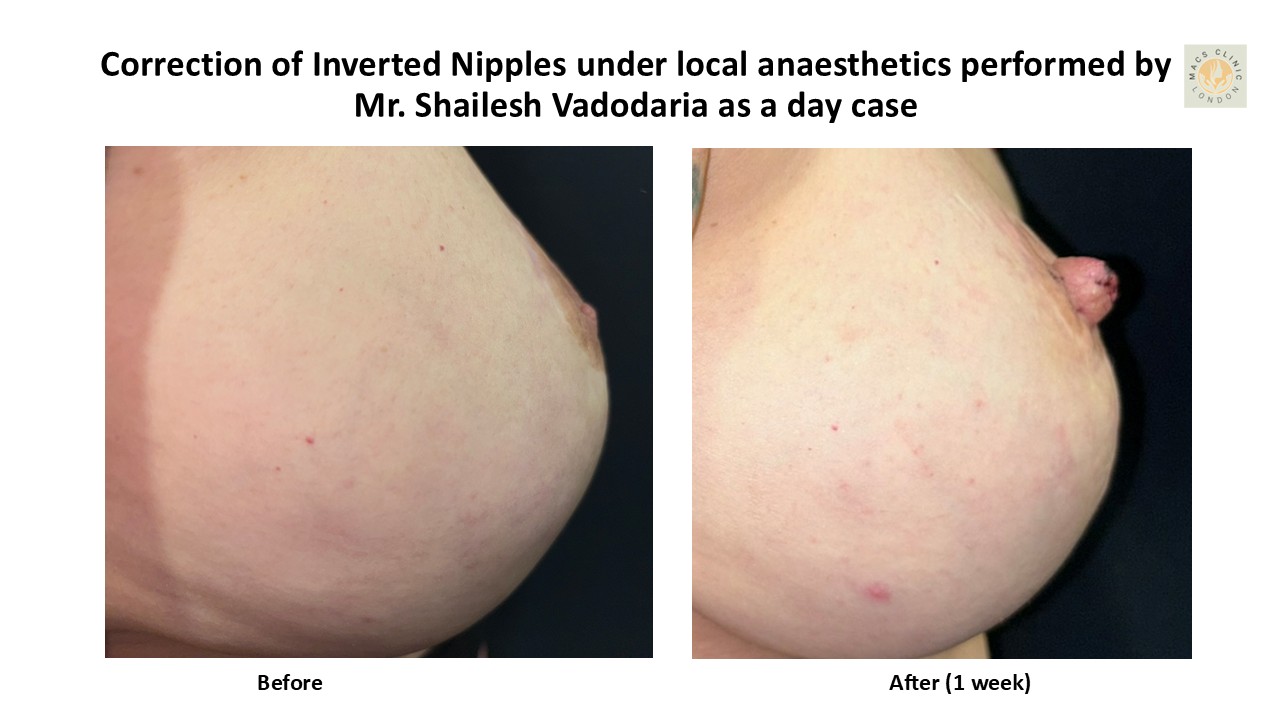
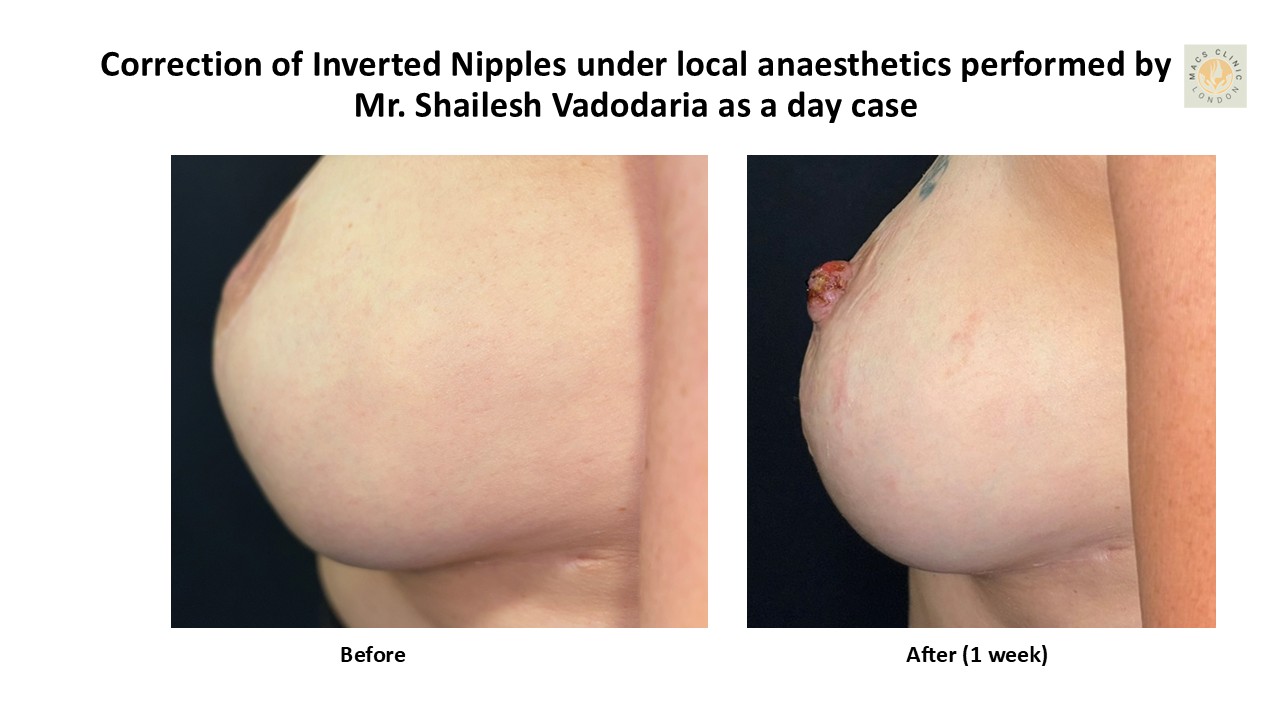
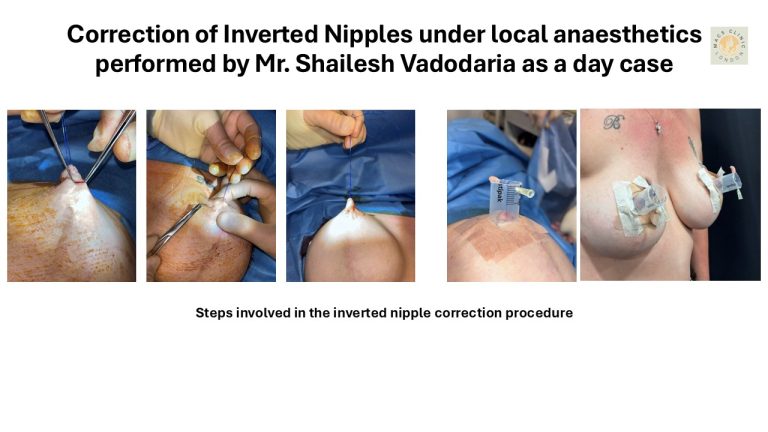
Following local anaesthetic infiltration, carefully selected supporting tissues beneath the nipple are released to allow the nipple to be brought into an everted position.

The nipple is then stabilised using specialised techniques and dissolving sutures.

In selected cases, an external splint may be applied to help maintain the corrected position during the early healing period.

Because dissolving sutures are used, routine suture removal is generally not required.

Why Is an External Splint Sometimes Used?

One of the challenges of inverted nipple correction is preventing recurrence.

For this reason, an external splint may occasionally be applied to support the nipple in an everted position while healing occurs.

Where used, patients are encouraged to retain the splint for:

* A minimum of 72 hours

* Ideally up to one week

This additional support can be particularly beneficial during the early healing phase.


Use of External Splint in the initial days after the procedure

Recovery After Surgery

Most patients experience only mild to moderate discomfort.

Recovery is generally straightforward.

Patients are usually able to return to light daily activities within a few days.

Following splint removal:

* Daily showering is permitted

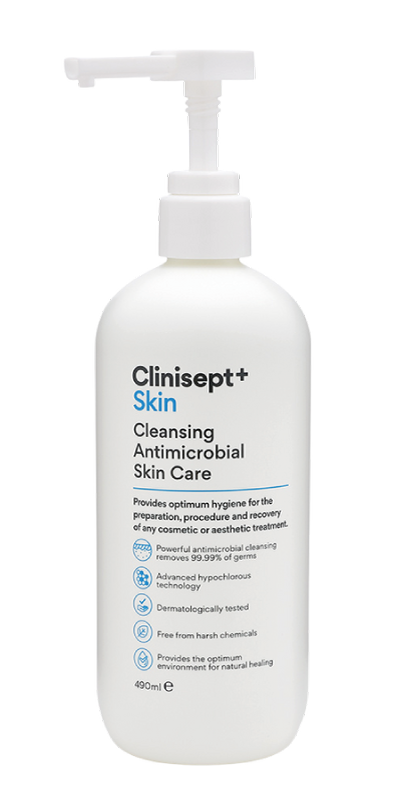
* Clinisept antimicrobial spray may be applied

* Topical antibiotic ointment may be used if prescribed

* The area should be kept clean and dry

Important Restrictions

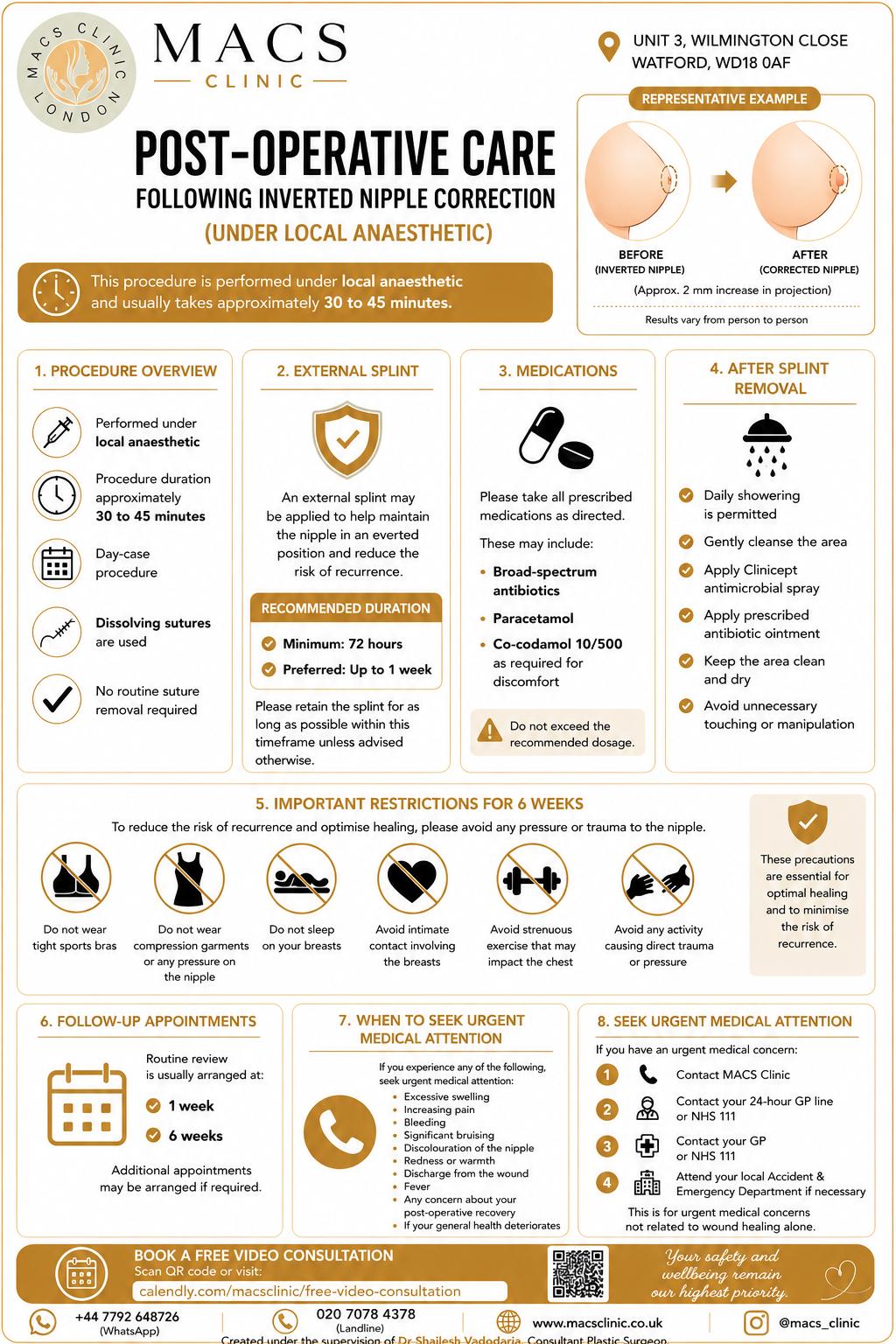
For approximately six weeks following surgery, patients should avoid any pressure on the corrected nipple.

This includes:

* Tight sports bras

* Compression garments

* Sleeping directly on the breasts

* Intimate contact involving the breasts

* Activities likely to cause trauma or compression

These precautions are important because excessive pressure during healing may increase the risk of recurrence.

Use of sports bra after the procedure

Follow-Up Care

Patients are commonly reviewed:

* At one week

* At six weeks

These appointments allow healing to be monitored and provide an opportunity to address any concerns.


Potential Risks and Complications

All surgical procedures carry risks.

Potential complications may include:

* Bruising

* Swelling

* Bleeding

* Infection

* Altered sensation

* Partial recurrence

* Asymmetry

* Scarring

* Need for revision surgery

Under correction

Over correction

Asymmetry

Fortunately, significant complications are uncommon.

When Should You Seek Urgent Medical Advice?

Please seek medical advice if you experience:

* Increasing swelling

* Significant pain

* Excessive bruising

* Bleeding

* Redness or warmth

* Fever

* Wound discharge

* Discolouration of the nipple

* Any concern regarding nipple viability

Patients may contact MACS Clinic, their GP, NHS 111, or attend their local Accident & Emergency Department if urgent assessment is required.

Final Thoughts

Inverted nipple correction is a relatively minor procedure that can produce significant aesthetic and psychological benefits to majority of patients.

When performed carefully and combined with appropriate postoperative care, the procedure can achieve a natural, long-lasting improvement in nipple projection and appearance.

If you would like to discuss inverted nipple correction, our team at MACS Clinic would be pleased to arrange a consultation and answer any questions you may have.
Contact MACS Clinic

FREE VIDEO/FACE TO FACE CONSULTATION

WITH CONSULTANT PLASTIC SURGEON