

A Patient-Centred, Confidential and Supportive Pathway
At MACS Clinic, we understand that concerns relating to the female external genitalia are deeply personal, emotionally sensitive, and often difficult for patients to discuss openly. Our aim is to provide a compassionate, respectful, discreet, and professional environment throughout the entire patient journey.
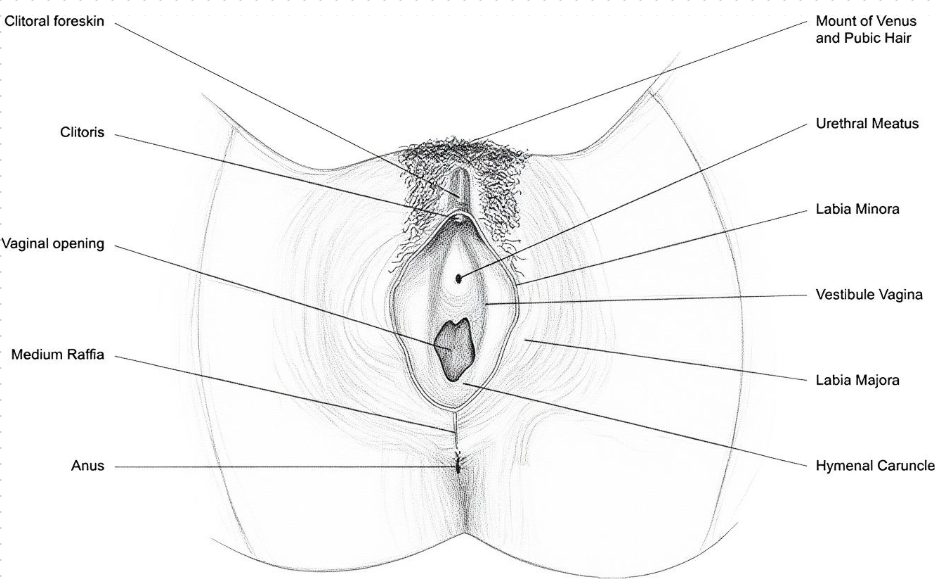
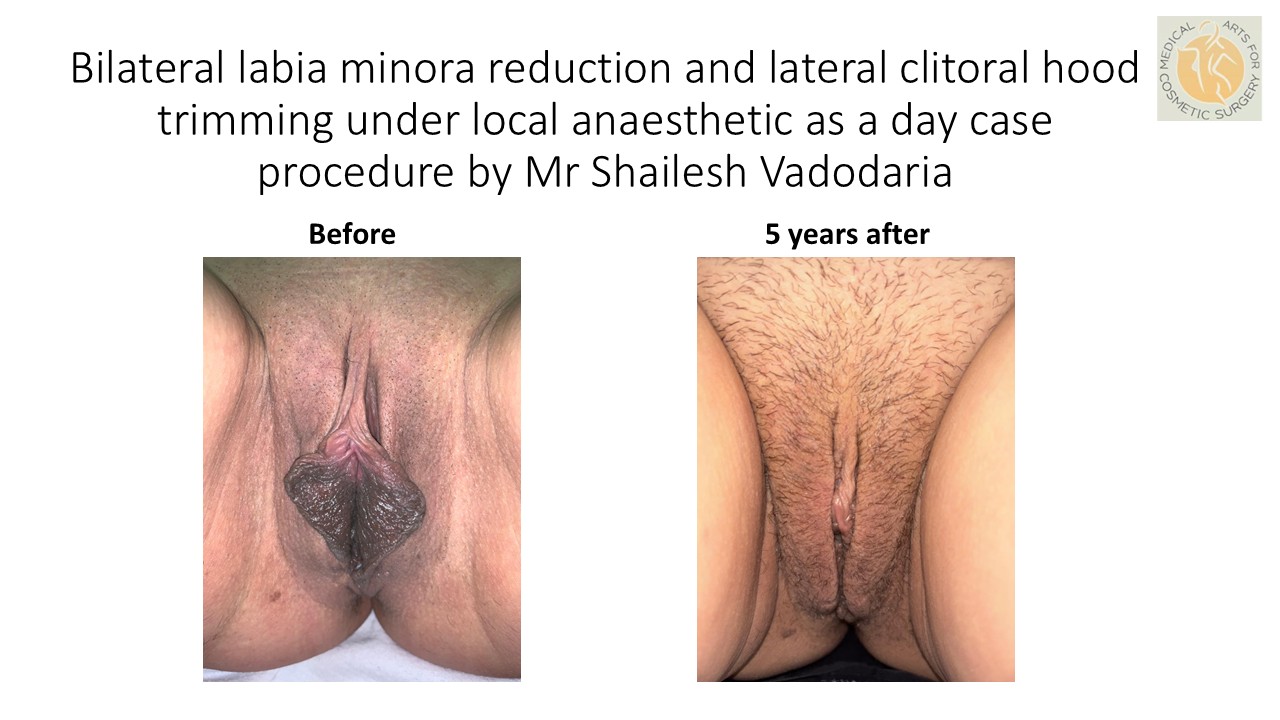
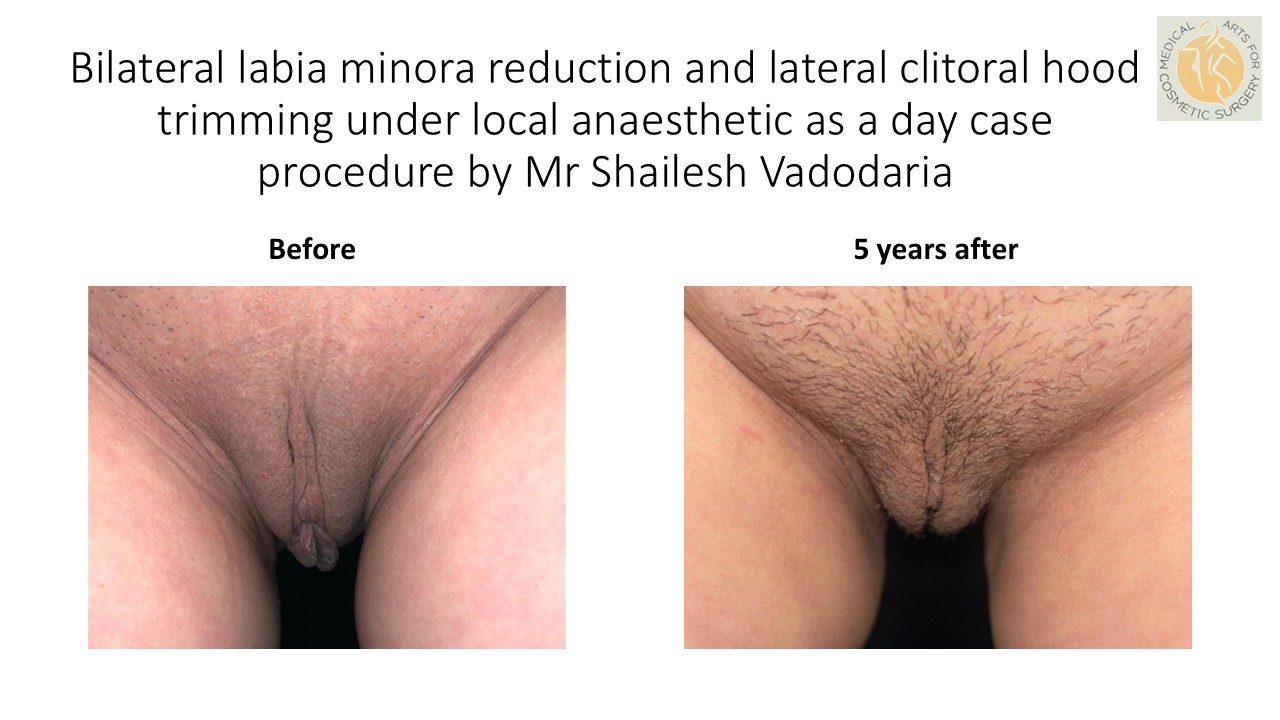
Labia minora reduction surgery (labiaplasty), with or without lateral clitoral hood refinement, may be considered by patients for a variety of reasons including:
- Physical discomfort
- Irritation during exercise or intimacy
- Difficulty with clothing
- Hygiene concerns
- Functional symptoms
- Psychological distress
- Aesthetic concerns
Every patient is unique, and treatment planning is individualized accordingly.
Initial Inquiry and Information Process
Many patients initially contact the clinic by:
- Website inquiry
- Telephone
- WhatsApp message
- Social media communication
Following the initial inquiry, our team generally provides:
- A comprehensive information pack
- Procedure overview
- Frequently asked questions
- Recovery guidance
- Expected costs
- Consultation pathway
- Relevant educational resources
Patients are also directed toward the educational materials available on:
- MACS Clinic Website
- MACS Clinic YouTube Channel
These resources are intended to help patients make a well-informed and thoughtful decision in their own time.
Complimentary Video Consultation
Where appropriate, patients may be offered a complimentary video consultation.
The purpose of this consultation is to:
- Understand the patient’s concerns and symptoms
- Discuss expectations and motivations
- Explain the possible treatment options
- Outline recovery and risks
- Answer general questions
Importantly:
- No intimate examination is performed during video consultation
- Patients are never expected to expose intimate anatomy remotely
- Any formal physical assessment can only be performed during a face-to-face clinical consultation in an appropriate medical environment
This approach helps preserve patient dignity, confidentiality, and professional standards.
Face-to-Face Consultation
Patients wishing to proceed further are invited for a detailed in-person consultation.
During this consultation:
- A comprehensive medical history is taken
- Functional symptoms are discussed
- Expectations are explored carefully
- Examination is performed respectfully and professionally
- A chaperone is available and recommended
- Various options are discussed
- Limitations, risks, healing variability, and realistic outcomes are explained
Clinical photography may be recommended for:
- Medical records
- Surgical planning
- Documentation
- Outcome comparison
These images are stored securely and confidentially in accordance with professional medical guidelines.
Multidisciplinary and Holistic Assessment
At MACS Clinic, we believe careful patient selection and holistic assessment are extremely important.
Depending upon the individual circumstances, some patients may benefit from:
- Review by a gynaecologist
- Pelvic floor assessment
- Psychological support or counselling
- Additional time for reflection before surgery
For example:
- Symptoms suggestive of pelvic floor prolapse or other gynaecological conditions may require specialist assessment
- Emotional distress, body image concerns, or unrealistic expectations may benefit from psychological support
We strongly encourage patients to involve:
- Partners
- Parents
- Trusted family members
- Friends
Support during consultation, surgery, and recovery is often emotionally reassuring and practically beneficial.
Communication with the General Practitioner (GP)
In accordance with good medical practice and relevant professional guidance from organizations such as the General Medical Council, communication with a patient’s GP may sometimes be considered beneficial for continuity of medical care.
However, we fully appreciate that this is an extremely private matter for many patients.
Therefore:
- GP communication is approached sensitively and respectfully
- Patient confidentiality remains paramount
- The process is discussed individually with each patient
- In many situations, patients may choose not to involve their GP
Our priority is to balance patient privacy with safe and responsible medical care.
Procedure Fee Estimate and Planning
Following consultation, patients are generally provided with:
- A written fee estimate
- Information regarding what is included
- Pre-operative instructions
- Cooling-off period guidance
- Consent documentation
Patients are encouraged to take adequate time before making a decision regarding surgery.
Preparation for Surgery
Prior to surgery:
- Medical suitability is reviewed
- Smoking cessation advice may be provided
- Medication adjustments may be discussed
- Pregnancy status must be excluded where appropriate
On the day of surgery, patients may undergo:
- Pregnancy testing
- Final medical review
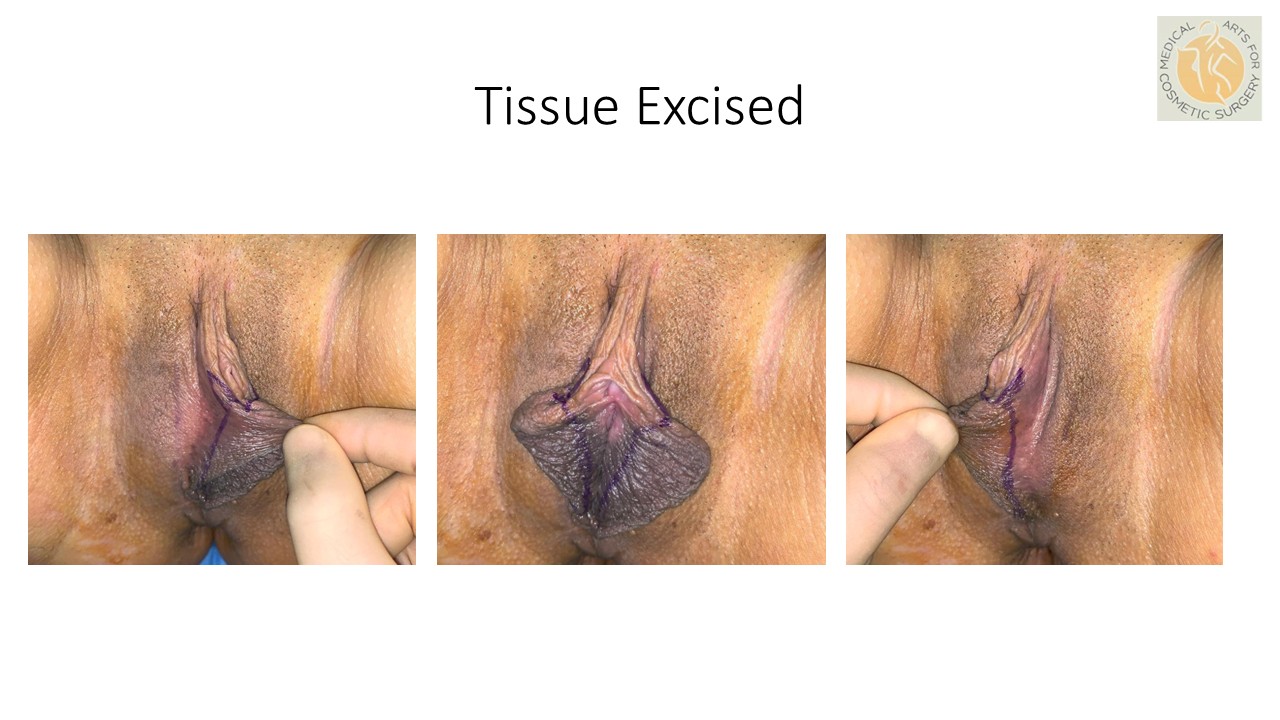
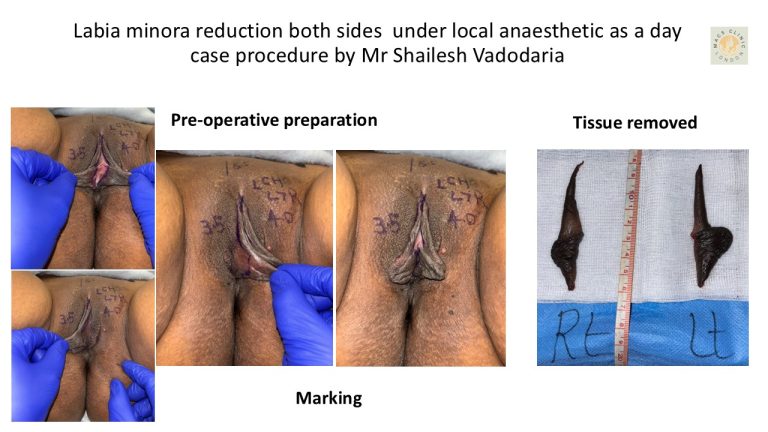
- Surgical marking
- Medical photography
- Formal consent process
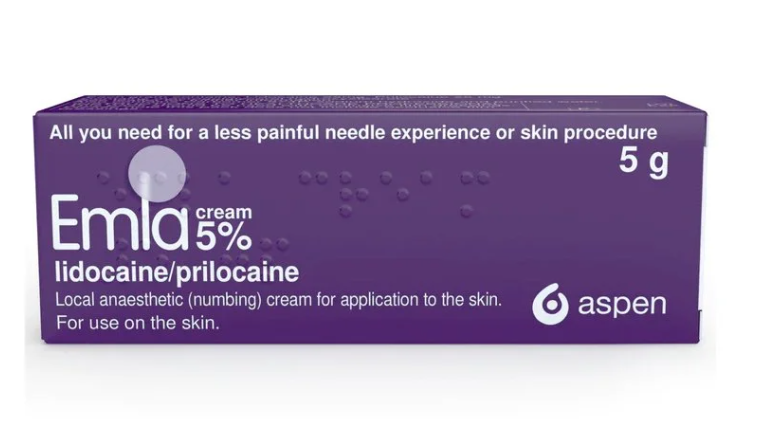
Topical anaesthetic cream such as EMLA may be applied prior to local anaesthetic injections to improve comfort.
At MACS Clinic, we endeavour to provide:
- Consultant-led care
- Experienced nursing support
- Consultant anaesthetic input where appropriate
- A professional and discreet theatre environment
The Surgical Procedure
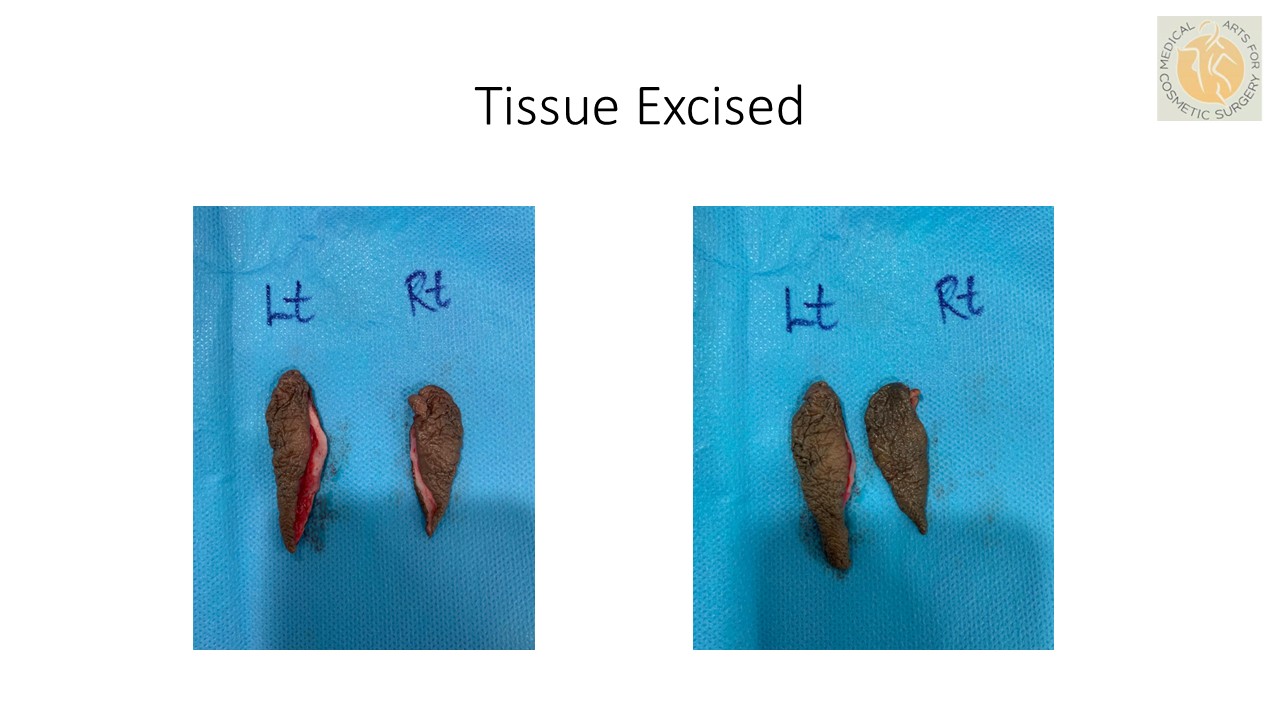
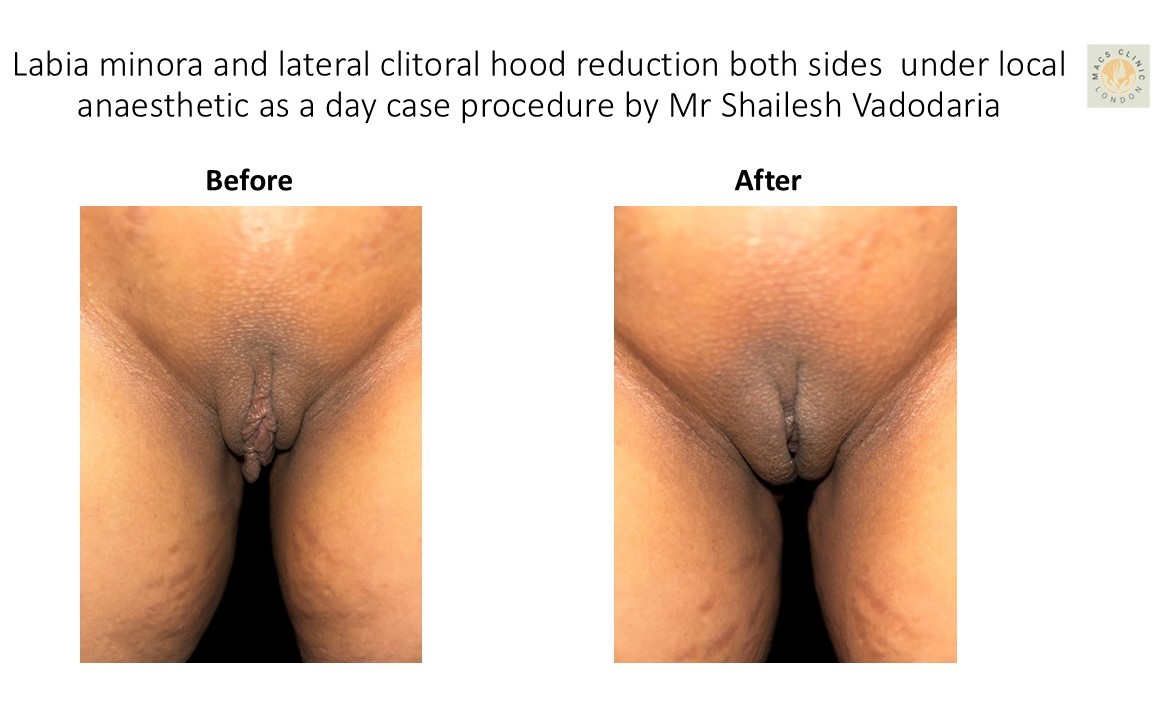
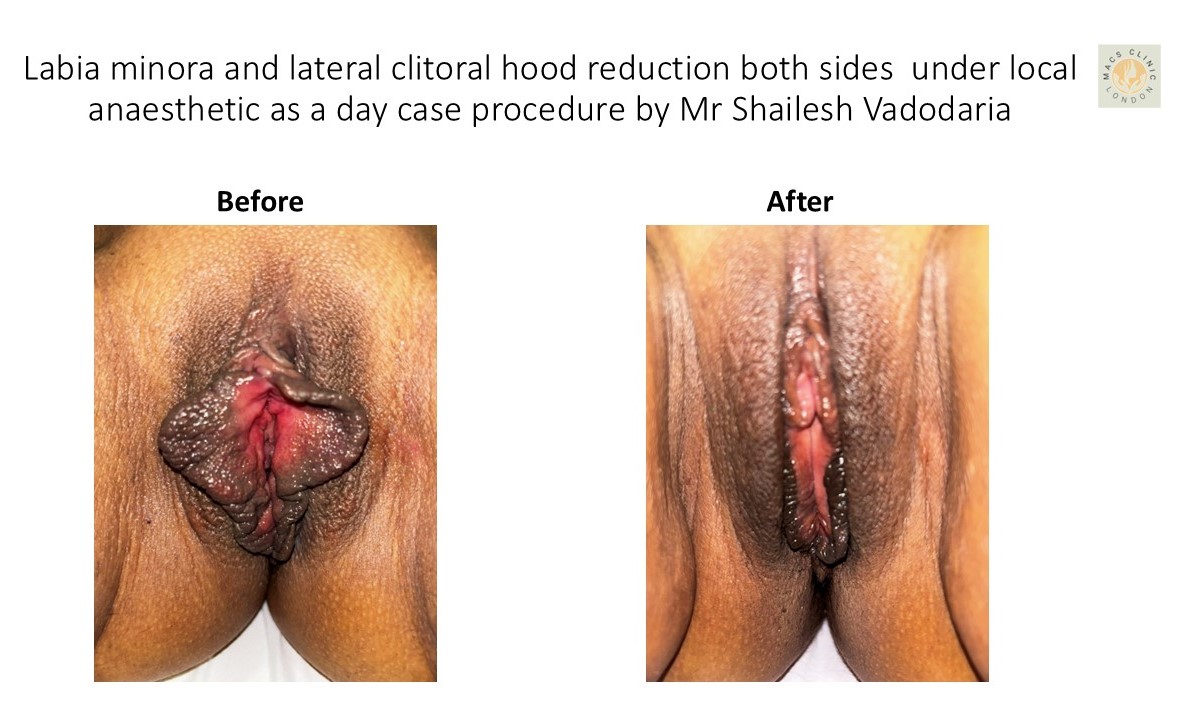
Labia minora reduction surgery is usually performed as a day-case procedure.
Techniques may vary depending upon:
- Anatomy
- Symptoms
- Tissue characteristics
- Desired goals
- Functional considerations
The aim is generally to achieve:
- Functional improvement
- Symmetry improvement
- Reduction in discomfort
- Preservation of natural anatomy
- Conservative and balanced aesthetic refinement
No surgery can guarantee absolute symmetry or perfection, and this is discussed carefully during consultation.
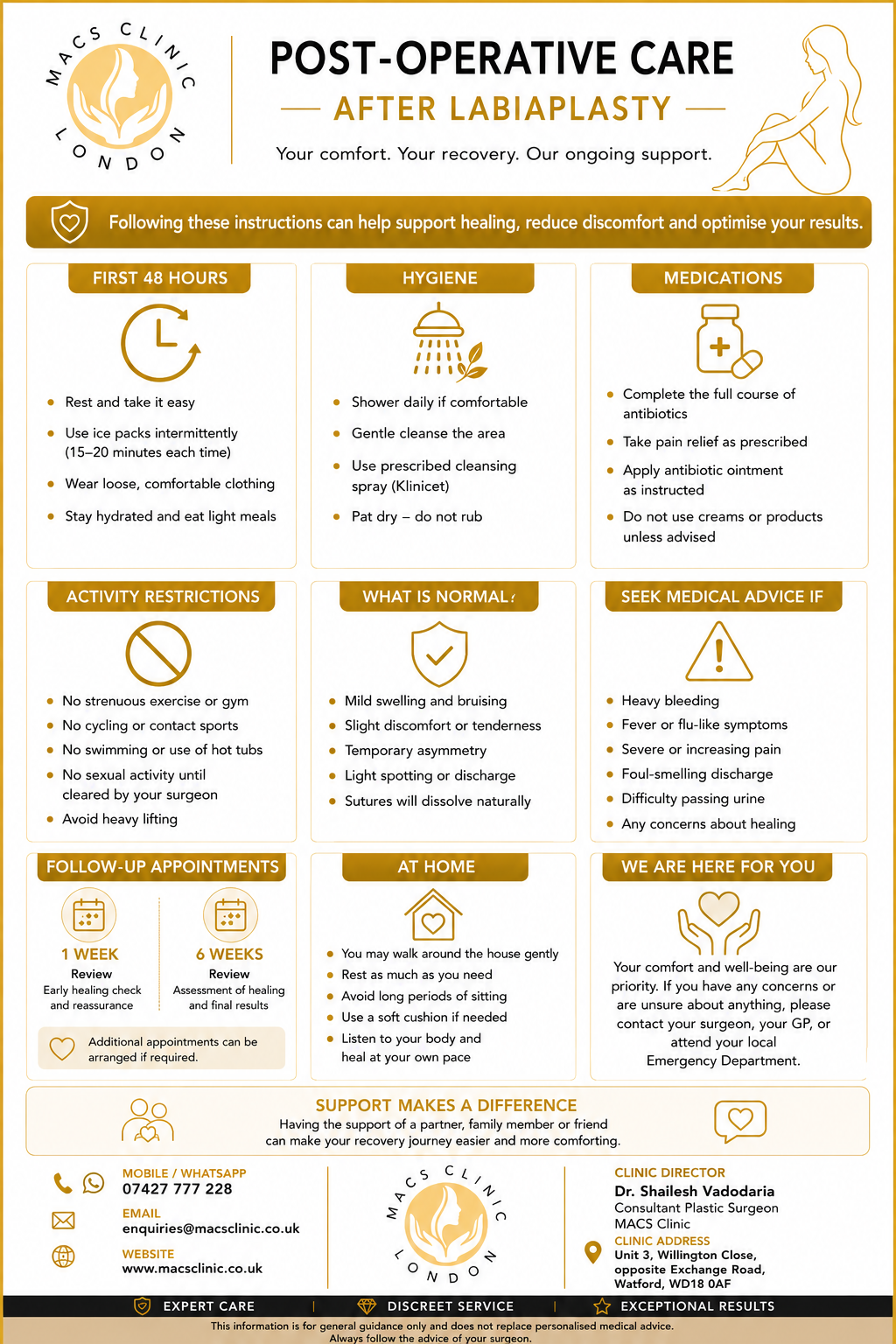
Post-Operative Care
Post-operative care is an extremely important part of recovery.
Dissolving Sutures
We generally use dissolving sutures, meaning:
- Formal suture removal is usually unnecessary
- Sutures gradually soften and dissolve naturally
Medications
Patients may be provided with:
- Antibiotics
- Pain relief medication
- Antibiotic ointment
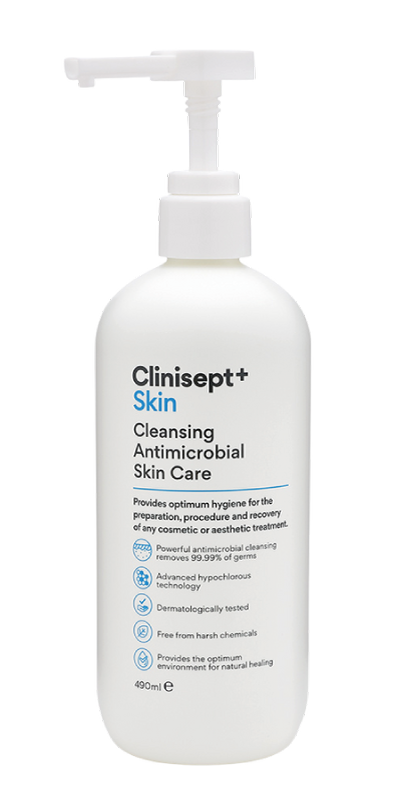
- Clinisept spray instructions for antimicrobial cover around the operated area
Swelling and Ice Packs
Nursing staff teach patients how to:
- Apply cold compresses or ice packs safely
- Reduce swelling and discomfort
- Maintain hygiene appropriately
Hygiene and Showering
Where appropriate, patients are encouraged to:
- Shower daily if comfortable
- Keep the area clean and dry
- Avoid excessive friction or pressure
Activity
Patients are usually advised:
- General gentle mobilization at home is acceptable
- Walking around the house is encouraged carefully
- Rest is important during early recovery
However, patients should avoid:
- Strenuous exercise
- Gym activity
- Cycling
- Contact sports
- Sexual intercourse
- Heavy lifting
until medically advised.
Follow-Up Schedule
Routine follow-up is commonly arranged:
- Approximately 1 week after surgery
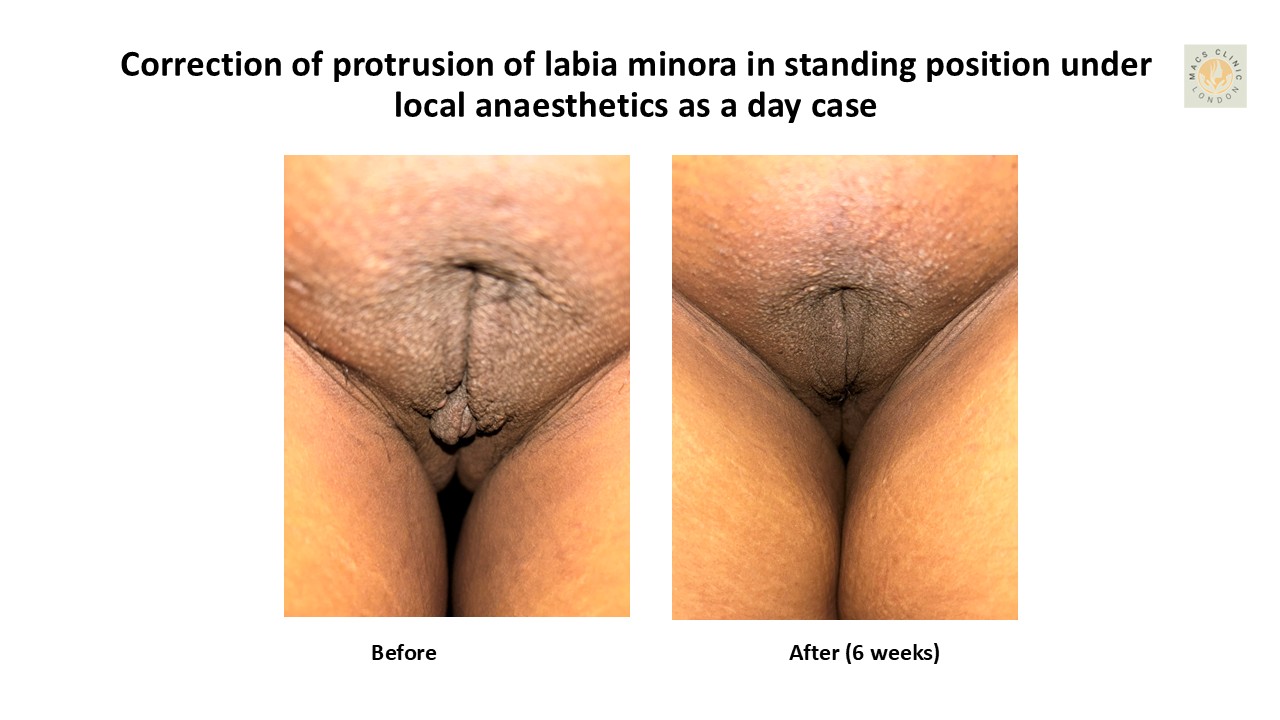
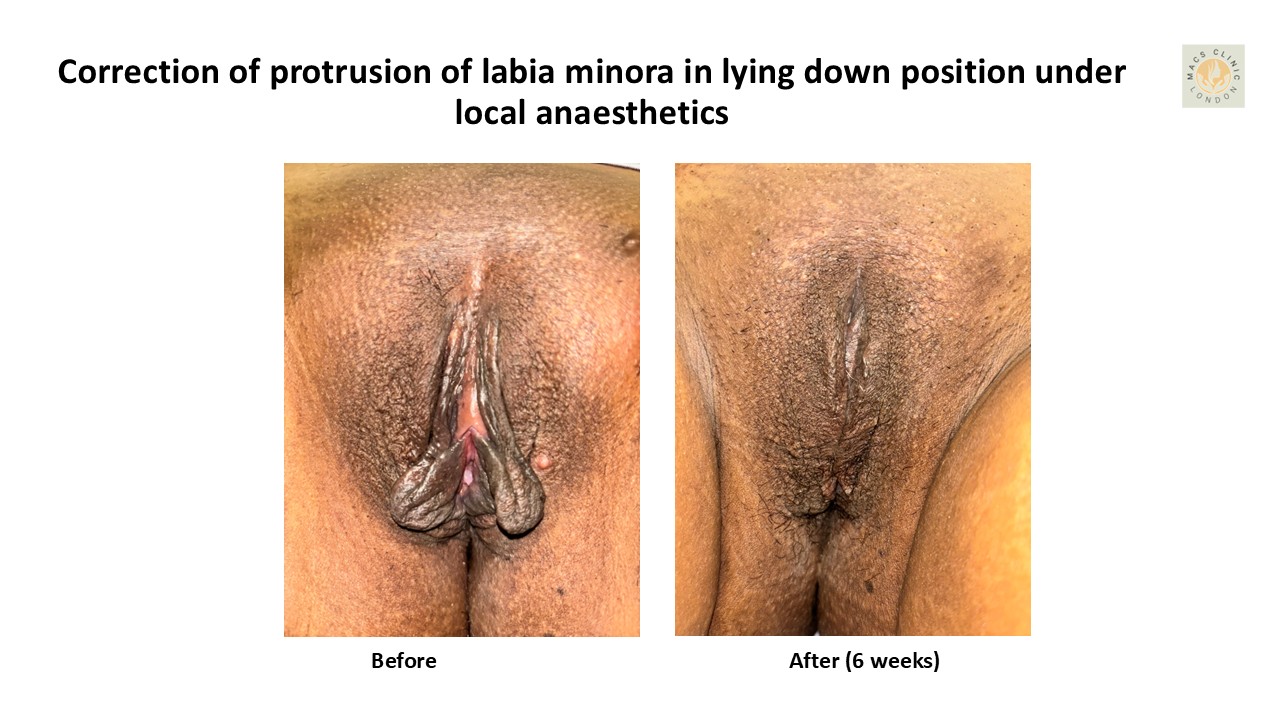
- Approximately 6 weeks after surgery
Additional reviews may be organized if required.
Emergency Advice
Although complications are uncommon, patients are advised to seek urgent medical advice if they experience:
- Excessive bleeding
- Fever
- Increasing pain
- Offensive discharge
- Significant swelling
- Difficulty passing urine
- Concerns regarding healing
Patients are advised to contact:
- Their surgeon
- Their GP
- Emergency medical services or Emergency Department if urgent assessment is required
Final Thoughts
At MACS Clinic, we believe intimate surgery should always be approached with:
- Sensitivity
- Respect
- Ethical responsibility
- Realistic counselling
- Patient dignity
- Confidentiality
- Holistic care
Our goal is not simply surgical alteration, but safe, compassionate, individualized patient care with appropriate long-term support.
Contact MACS Clinic
- Phone: 020 7078 4378
- WhatsApp: 07792 648 726
- Email: enquiries@macsclinic.co.uk
- Website: www.macsclinic.co.uk
- BOOK a FREE Video Consultation: https://calendly.com/macsclinic/free-video-consultation?month=2025-01