

A cheek dimple is a tiny feature with a remarkable ability to animate the whole face. It can appear with a smile, deepen with laughter and soften again when the face rests. For many people, that movement is believed to contribute for the smile with warmth, individuality and playfulness.
This guide explains what a cheek dimple is, how surgical dimple creation is planned and performed at MACS Clinic, what recovery commonly involves, and the risks, limitations and possibility of revision. It is intended to support – not replace – an individual consultation and informed consent with the operating surgeon.
Dimples beauty and cultural meaning
Natural cheek dimples have long been admired across South Asian, Middle Eastern, African, East Asian and Western cultures. Their meanings vary: they may be associated with youthfulness, good fortune, charm, warmth or a memorable smile. In some communities they have traditionally been especially celebrated; today their appeal is global. A dimple does not create beauty by itself, and no facial feature should be treated as a universal ideal. Its attraction lies more subtly in the way it can complement the individual face and respond to expression.
Celebrity culture has also shaped public awareness. In the United Kingdom, Cheryl Cole became closely associated with a distinctive dimpled smile during her rise to national prominence, particularly around her X Factor years from 2008. Contemporary beauty coverage later listed her dimpled cheeks among features requested by patients. In my own practice, enquiries increased from approximately 2007 to 2008 onwards. This timing is a personal observation rather than proof that one celebrity caused the trend, but her visibility undoubtedly helped bring cheek dimples into everyday public conversation.
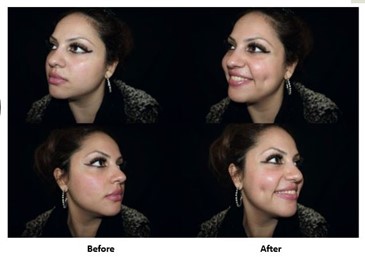
An 18 year personal perspective at MACS Clinic
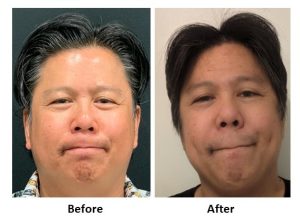
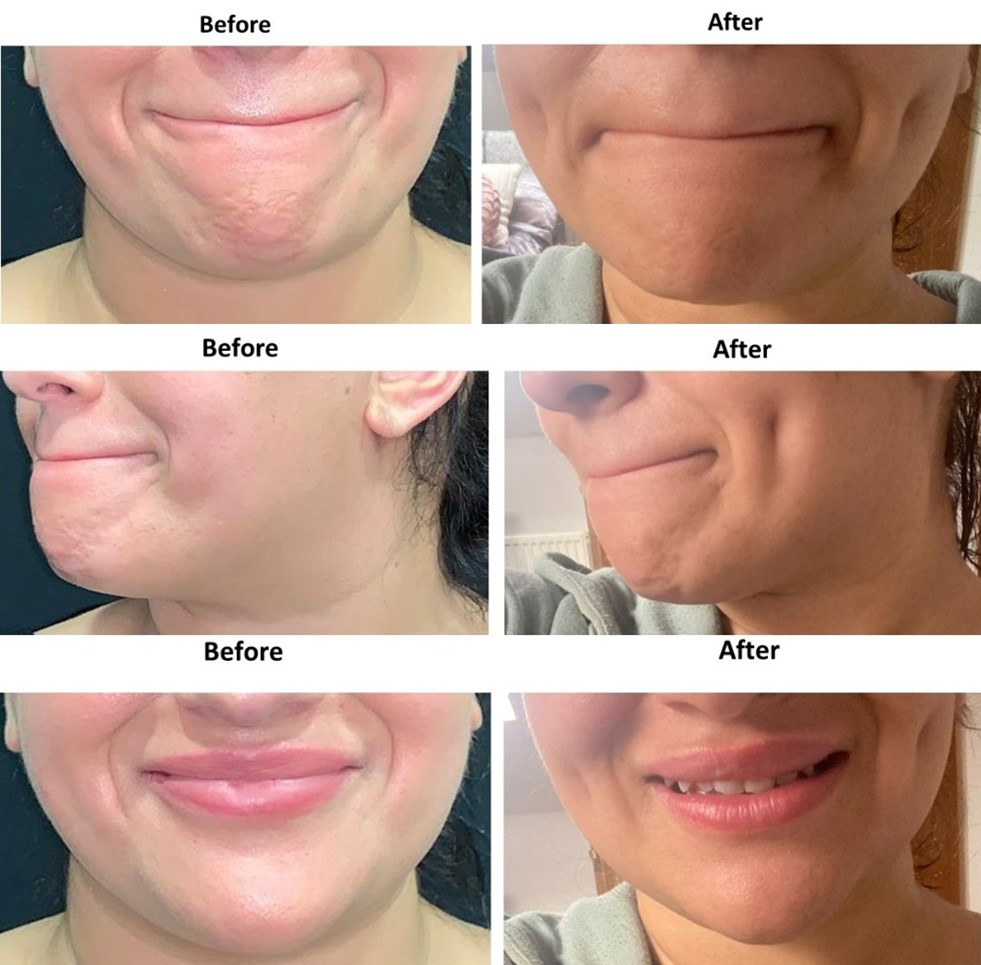
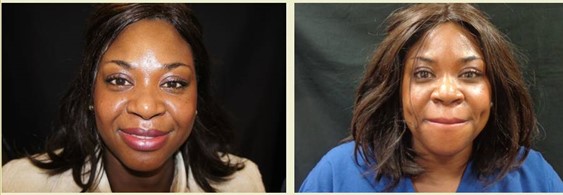
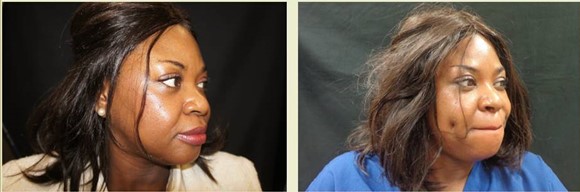
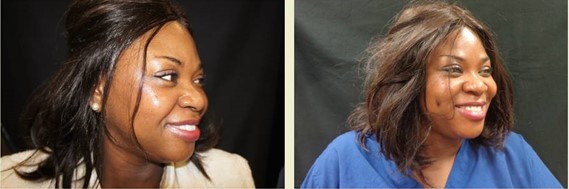
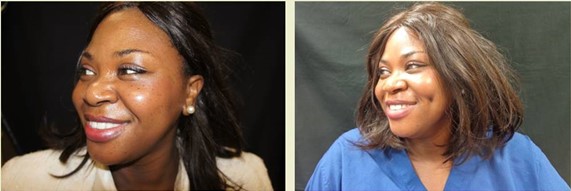
I began developing a dedicated cheek dimple creation practice in the United Kingdom around 2008. Over the following 18 years, repeated clinical observation, careful photography, patient feedback, long-term follow-up and audit have shaped how I assess anatomy, select the site, counsel patients and manage the early and late result. MACS Clinic has also built a substantial educational record of before-and-after photographs and patient video experiences, including long-term follow-up.
The central lesson from this experience is that dimple creation is a small operation but not a trivial one. The incision is usually hidden inside the mouth, yet the procedure takes place in a compact anatomical region containing the parotid duct, branches of the facial nerve and facial vessels. The result depends on patient selection, knowledge of anatomy, realistic expectations, a careful technique and attentive aftercare.
MACS Clinic was among the early UK practices to develop dimple creation as a focused area of aesthetic surgery. The purpose of describing this pioneering experience is not to claim that one technique suits everyone. It is to explain how a long, procedure-specific practice has informed a measured and individual approach.
What is a cheek dimple
A natural cheek dimple is a small indentation produced when the deeper surface of the skin – the dermis – is tethered to underlying soft tissue and, in many people, to the muscle mechanism involved in smiling. When the muscle moves, it draws the skin inward.
Feature | Typical behaviour |
Dynamic dimple | Most apparent during smiling, laughing or speaking; shallower or absent when the face is at rest. |
Early surgical dimple | Often visible continuously at first because of swelling and a newly formed internal attachment. |
Maturing dimple | Usually softens as swelling settles and the internal scar remodels, commonly becoming more dynamic over weeks to months. |
Individual variation | Depth, shape, movement and permanence differ because of facial anatomy and degree of scar contraction, tissue thickness, muscle activity and healing differ. |
A natural dimple may be unilateral or bilateral. Two natural dimples are not necessarily mirror images, and a surgically created pair should not be expected to behave as mechanically identical points. Facial movement, cheek volume and smile vectors differ on the two sides even in a face that appears symmetrical.
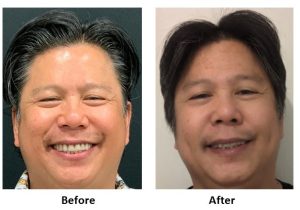
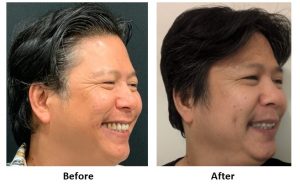
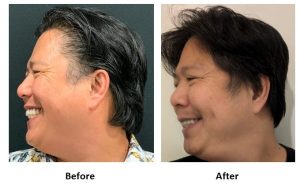
Who may consider dimple creation
The operation may be considered by an adult who has thought carefully about the change, understands that it is elective and accepts the limits of predictability. Some people request one dimple to balance a natural dimple on the opposite side; others request bilateral dimples. Suitability cannot be decided from a photograph alone.
A consultation also explores motivation. Surgery should be a personal, unpressured decision rather than a response to a passing trend, another person’s demands or the expectation that a small facial change will solve wider difficulties. If the requested result cannot realistically be produced, or the likely benefit does not justify the risk, surgery may not be advised.
The enquiry and consultation pathway
- Initial information. The prospective patient receives a comprehensive information pack, a link to the dedicated MACS Clinic dimple-creation webpage and relevant videos. These show a range of outcomes and patient experiences rather than a single idealised result.
- Consultation with the surgeon. We discuss what the patient likes about dimples, whether one or two are desired, the preferred general position, the limitations of surgical control.
- Medical assessment and examination. The medical history, medicines, allergies, facial and intraoral anatomy, healing risks and suitability for local anaesthetic surgery are assessed.
Photographs and planning. Standardised photographs are used for clinical planning and follow-up. Separate, explicit consent is required before any identifiable photograph or video is used for education or marketing.
Reflection and consent. Patients are advised to consider the information, alternatives, risks, aftercare and financial terms. Consent remains a continuing process and is confirmed again before surgery.
Medical history and safety screening
The assessment is individual and may include the following. Disclosure is important even when a condition seems unrelated to the cheek.
- General health and previous surgery. Previous anaesthetic problems, wound-healing difficulties, abnormal scars, facial surgery, trauma, fillers, threads, dental procedures or infections.
- Medicines and supplements. Prescription and non-prescription medicines, anticoagulants or antiplatelet agents, steroids, immunosuppressive drugs, herbal products and supplements that may affect bleeding or healing. Medicines should not be stopped unless the prescribing clinician and surgeon advise it.
- Drug, local-anaesthetic, antiseptic, adhesive and latex allergies or previous adverse reactions.
- Conditions affecting immunity or healing. Diabetes, smoking or nicotine use, immunosuppression, HIV, active cancer treatment, autoimmune or inflammatory disease – including Crohn’s disease or multiple sclerosis – and any other condition that may compromise healing or increase infection risk.
- Bleeding risk. A personal or family history of unusual bleeding or bruising, haemorrhagic diathesis, liver disease, blood disorder or anticoagulant use.
- Oral and dental health. Mouth ulcers, dental infection, gum disease, recent dental work, oral lesions, recurrent infection or other intraoral pathology.
- Pregnancy and breastfeeding. Elective surgery is normally postponed during pregnancy. Patients who could be pregnant are asked about the possibility of pregnancy and, under the clinic’s day-of-surgery protocol, may require a pregnancy test.
- Psychological wellbeing and expectations. The reasons for surgery, the hoped-for outcome, relevant mental-health history and any concern about body dysmorphic disorder or external pressure. Patients are expected to declare psychological issues requiring counselling or medications.
Clinical examination
- Facial examination. Cheek volume and thickness, smile animation, natural creases or dimples, facial asymmetry, skin quality and the proposed relationship of the dimple to the corners of the mouth.
- Mouth opening. Adequate interincisal distance – the opening between the upper and lower teeth – is required for safe intraoral access.
- Intraoral examination. The cheek lining, teeth and gums, Stensen’s duct papilla and any mucosal lesion or evidence of infection are examined.
- Parotid and cheek examination. The cheeks and parotid region are checked for unexplained lumps, tenderness, swelling or salivary symptoms. An unexplained abnormality requires assessment before elective dimple surgery.
- Vascular assessment. At MACS Clinic, a handheld Doppler is used as an additional aid to identify audible facial vessel signals and help ensure that a proposed site is not in close proximity to a detected vessel. It complements – and does not replace – anatomical knowledge and careful surgery.
Choosing the position
Dimple position is planned with the face at rest and during animation. Anatomical landmarks and the patient’s preference guide the discussion, but the final plan must respect the course of the parotid duct, facial nerve branches and vessels. The site may be marked and reviewed with the patient before local anaesthetic is administered.
A photograph of a celebrity or another patient can help explain a preference, but it cannot be used as a blueprint. Different cheek thickness, muscle pull, skin elasticity, facial width and smile pattern will produce a different result. The objective is a dimple that belongs to the patient’s face, not a copy of someone else’s anatomy.
Preparing for the procedure
The clinic provides individual written instructions. These may include the following, subject to the patient’s health, allergies and planned procedure:
- Follow the clinic’s instructions about eating, drinking and regular medicines. Local-anaesthetic cases do not automatically require fasting unless specifically advised.
- Avoid smoking, vaping and nicotine as instructed because they can impair healing. Avoid excess alcohol around surgery.
- Do not stop anticoagulants, antiplatelet medicines or prescribed medication without explicit medical advice.
- Complete the clinic’s antiseptic skin-cleansing protocol, which may include Hibiscrub washes during the days before surgery when appropriate. Keep the product away from the eyes, ears and inside the mouth, and do not use it if contraindicated or if the clinic advises otherwise.
- Use the prescribed or recommended antiseptic mouth care or gargle as directed. Clinisept or another product should only be used for the purpose and site specified by the clinic.
- Attend without facial make-up around the operative area and maintain excellent oral hygiene.
- Arrange sensible transport and support if advised, even though the operation is commonly performed under local anaesthetic.
- Tell the clinic promptly about fever, respiratory illness, dental infection, mouth ulcer, facial swelling, a new medicine or any change in health.
On the day of surgery
- Identity, health changes, medicines, allergies and the planned side or sides are checked.
- Where pregnancy is possible, testing is undertaken in accordance with the clinic protocol and the individual clinical circumstances.
- The surgeon revisits consent, expected early appearance, risks, limitations and the revision possibility. The patient may ask further questions and can withdraw consent before the procedure.
- The face, mouth and proposed position are examined again. Markings and handheld Doppler assessment are repeated or confirmed.
- A surgical safety check is completed before the procedure.
How cheek dimple creation is performed
At MACS Clinic, dimple creation is usually performed as a day-case procedure under local anaesthetic. The predominant part of the operation is carried out through the inside of the mouth, so there is generally no external cutaneous incision at the planned dimple site. A controlled internal attachment is created between the deeper surface of the skin and the underlying cheek tissues. Dissolving sutures are used.
The exact operative steps are adapted to the patient’s anatomy and are not a guarantee of a particular depth or shape. Published methods differ: some create a tissue defect, while others use suture-based fixation or variations of these principles. The surgeon’s task is to create sufficient attachment for a dimple while minimising unnecessary tissue injury and protecting adjacent structures.
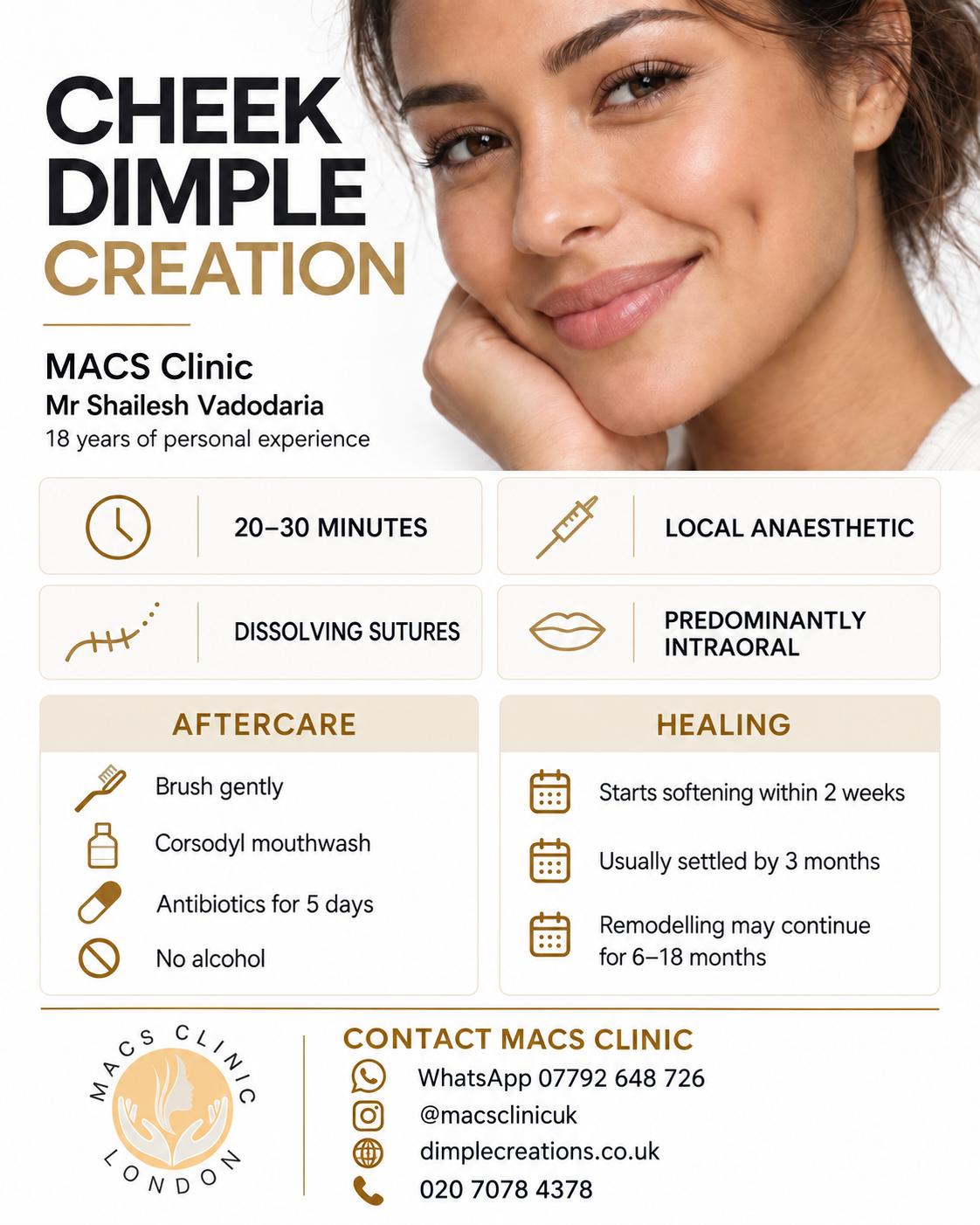
The procedure commonly takes approximately 20 to 30 minutes, although preparation, safety checks and individual anatomy can alter the total time spent in the clinic. Patients normally go home the same day after appropriate observation and discharge checks.
Recovery and aftercare
Immediately after surgery, the dimple commonly appears deeper and may be visible even without smiling. This is expected. Local anaesthetic, swelling and the fresh internal tether exaggerate the early appearance. In my experience, the scar and tether generally start to relax during the first two weeks. Most patients are reasonably settled with the depth of the dimple by approximately three months, although scar remodelling and further softening can continue for six to eighteen months. This is not an algorithmic or precisely predictable process, and each side may mature at a different rate.
Period | What may be noticed | General care |
First few days | Swelling, tenderness, bruising, tightness, a conspicuous static dimple and discomfort when chewing or smiling. | Use prescribed medicines and mouth care exactly as directed. Choose food and oral hygiene measures recommended by the clinic. |
Around one week | Early swelling usually improves, but depth and symmetry are not final. Dissolving intraoral sutures may still be present. | Attend the planned review. Do not pull, probe or cut a suture yourself. |
Following weeks | The internal scar begins to mature; the dimple may become shallower and more dynamic. Two sides may settle at different rates. | Continue care advised by the clinic and report increasing pain, swelling, discharge, fever, weakness or salivary symptoms. |
Three months and beyond | Most patients are reasonably settled by about three months, but subtle relaxation and scar remodelling may continue for six to eighteen months. | Final outcome and any concern about under-correction, over-correction or asymmetry should be assessed after appropriate healing. |
MACS Clinic commonly prescribes oral antibiotics, analgesia and an antiseptic gargle or mouthwash for five days, adjusted for allergies and individual clinical needs. Take only the medicines advised for you and complete antibiotics as directed unless the clinical team tells you otherwise. Follow-up is normally arranged at approximately one week and six weeks, with further review when clinically required.
Risks and possible complications
No surgeon can guarantee a complication-free operation. Most patients recover without a serious problem, but even a small elective procedure can cause temporary, persistent or occasionally permanent harm. The discussion below is comprehensive but cannot cover every rare or patient-specific event.
Expected short-term effects. Pain or tenderness; swelling; bruising; tightness; altered sensation; difficulty or discomfort with chewing, smiling or opening the mouth; temporary continuous dimpling; and visible or palpable intraoral sutures.
Bleeding and bruising. Oozing, haematoma or delayed bleeding. Additional treatment is rarely required, but significant or persistent bleeding needs urgent assessment.
Infection. Local infection, cellulitis, wound breakdown or abscess. Bilateral cheek abscess after dimple creation has been reported in the medical literature. Treatment may require antibiotics, drainage or removal of a suture.
Healing and scar problems. Delayed healing, painful scar tissue, excessive fibrosis, internal lump or firmness, mucosal ulceration, granulation tissue, hypertrophic scarring, hypertrophy, hyperpigmentation, keloid and unsightly scar or a foreign-body/suture reaction. Although the main incision is intraoral, an external mark, pigmentation change or contour irregularity is possible.
Under-correction or loss of the dimple. The dimple may be shallower than desired, weaken over time or disappear completely if the attachment stretches or releases.
Over-correction or an unnatural dimple. The dimple may remain too deep, too large, too visible at rest or look tethered, fixed or unnatural. Release surgery may be considered, but complete restoration of the preoperative contour cannot be guaranteed.
Asymmetry or position concern. The dimples may differ in depth, shape, height, movement or direction, or a patient may later feel that the site is too high, low, medial or lateral. Natural facial asymmetry can become more noticeable after surgery.
Shape and contour change. An oval, linear, irregular, double or multiple indentation may form rather than a small round dimple. Cheek volume changes, ageing or weight change may alter its later appearance.
Nerve injury. Temporary or, very rarely, persistent weakness of facial movement may follow irritation or injury to a facial nerve branch. Numbness, tingling, altered sensation or neuropathic pain can also occur.
Parotid gland or Stensen duct injury. Rare injury, narrowing or obstruction may cause pain or swelling, particularly around meals, salivary leakage, a collection, infection or fistula, and may require specialist investigation or treatment.
Vascular injury. Injury to a facial vessel can cause bleeding, haematoma or bruising. Very rare consequences of compromised blood supply can include tissue damage.
Oral and dental problems. Mucosal injury, dental or gum irritation, bite-related trauma to the wound, restricted mouth opening or exacerbation of pre-existing oral disease.
Anaesthetic or medicine-related events. Pain during injection, fainting, palpitations, local-anaesthetic toxicity, allergy, adverse drug reaction, gastrointestinal disturbance or antibiotic-associated complications.
Need for further treatment. Unplanned review, imaging, antibiotics, drainage, suture removal, dimple deepening, recreation, release, scar treatment or other corrective surgery may be necessary. Revision itself carries fresh risks and may not deliver the desired result.
Dissatisfaction or psychological impact. The result may not match the patient’s mental image, and disappointment, regret, anxiety or heightened focus on asymmetry can occur even when surgery is technically satisfactory.
General rare events. Any procedure can be associated with an unexpected medical event. Risks vary with the patient’s health and should be discussed individually.
Limitations and the reality of a designer dimple
At present, dimple creation is not a digital operation. We cannot programme an exact depth, diameter, outline, direction or degree of movement. A surgeon can plan a site and use a controlled technique, but living tissues swell, scar, stretch and remodel in ways that cannot be predicted to the millimetre.
- An exact copy of a celebrity’s or another patient’s dimple cannot be promised.
- Perfect bilateral symmetry cannot be promised, because the two sides of the face are not identical.
- The dimple may be more obvious at rest initially and may take weeks or months to become dynamic.
- The dimple may become shallower, deeper, change shape or disappear as healing progresses.
- A result that looks pleasing in a still photograph may behave differently during speech and a full smile.
- Weight change, ageing, dental change, facial procedures and changes in cheek volume may alter the long-term result.
- Revision can modify a result but cannot guarantee exact size, shape, symmetry or permanence.
Revision surgery and MACS Clinic audit
In MACS Clinic’s audited experience, the revision rate is approximately 7%. This is a practice-specific audited figure and should not be interpreted as a universal rate for every surgeon, technique or patient group. Most revisions in our experience have involved deepening an existing but under-corrected dimple or recreating a dimple that has disappeared completely. Less commonly, a concern may relate to position, asymmetry, persistent depth or an unnatural tether.
A request for revision does not always mean that immediate surgery is appropriate. Swelling and scar maturation can create a misleading early appearance. Unless there is an urgent clinical problem, sufficient healing time is normally allowed before deciding whether another operation is likely to help. The plan, likely benefit, costs and risks of revision are discussed individually.
Making a deep dimple lighter
Some patients seek treatment because a dimple or indentation is too deep, too visible at rest or aesthetically distracting. The tether may be congenital, may follow trauma, or may result from previous dimple-creation or other facial surgery. Assessment aims to identify the position and strength of the tether, the quality and thickness of the overlying skin and soft tissue, any previous filler or fat treatment, facial movement, and the relationship of the indentation to nearby facial nerve branches, vessels and the parotid duct. A deep dimple is not always fully correctable, and treatment may make it lighter without completely removing it.
At present, our principal approach is subcision under local anaesthetic. A fine instrument is used beneath the indentation to release restrictive scar bands or the abnormal skin-to-deeper-tissue attachment. To reduce the risk of the surfaces adhering again, the released space can be interposed or supported with either a temporary absorbable dermal filler or the patient’s own fat. My personal preference, when clinically appropriate, is autologous fat transfer. This avoids leaving a manufactured filler material in the treated plane and therefore avoids filler-specific complications such as a delayed foreign-body reaction or granuloma. Fat transfer has its own limitations: some of the transferred volume may be absorbed, the correction may be uneven or excessive, and more than one treatment may be required.
Release and interposition surgery can cause bruising, swelling, bleeding, infection, temporary or persistent altered sensation, contour irregularity, asymmetry, under-correction, over-correction, recurrence of tethering, a palpable lump, fat necrosis or oil cyst, and injury to adjacent structures. A filler can additionally cause nodules, migration, inflammation, vascular compromise, infection, granuloma or a foreign-body reaction. Although uncommon, these problems can be difficult to treat. No method can guarantee complete release, exact symmetry or permanent correction, and occasionally further subcision, fat transfer, filler treatment or other revision surgery is needed.
When to seek help
You are expected to seek prompt medical advise if you develop increasing rather than improving pain or swelling, spreading redness, pus or unpleasant discharge, fever, persistent bleeding, difficulty opening the mouth, new facial weakness, swelling or pain around meals, difficulty swallowing, breathing difficulty, or any symptom that causes concern.
- During clinic hours. Telephone MACS Clinic on 020 7078 4378 and explain that you have recently had surgery.
- Outside clinic hours for an urgent but non-life-threatening problem. Use the postoperative contact arrangements provided by the clinic. You may also contact NHS 111 or an appropriate 24-hour GP or urgent-care service.
- Serious or life-threatening symptoms. Call 999 or attend the nearest Accident and Emergency department. Heavy bleeding, breathing difficulty, collapse, severe allergic symptoms or rapidly progressive swelling should not wait for an email response.
Keep the clinic informed about any assessment or treatment received elsewhere so that postoperative care can be coordinated.
Frequently asked questions
How long does the surgery take?
The operative part commonly takes approximately 20 to 30 minutes. Preparation, consent confirmation, marking, local anaesthetic, safety checks and recovery mean that the total time spent at the clinic is longer.
What kind of anaesthetic is required?
I normally perform cheek dimple creation under local anaesthetic. General anaesthesia is not usually required. The cheek and surrounding area may remain numb for approximately one and a half hours, although the duration varies between patients.
How is the procedure performed?
The predominant part of the operation is undertaken intraorally, through the lining of the cheek. Using magnifying loupes and a headlight, a straight needle is passed from inside the mouth and exits through a small external puncture site. The needle is guided to take a controlled deeper bite of the dermis, which is then approximated to the intraoral mucosa or deeper cheek tissue to hold the dimple in position. The needle is withdrawn through the same puncture site. The exact technique is adapted to the patient’s anatomy and must protect the parotid duct, facial nerve branches and facial vessels.
Will I have a scar?
The main operative work is intraoral, so there is no conventional external incision at the dimple site. There is, however, a very small puncture wound where the straight needle passes through the skin. This normally heals inconspicuously, but no skin puncture can be guaranteed to leave absolutely no mark. Internal scar formation is intentional because it creates the tether that produces the dimple. The possibility of hypertrophic keloidal scar and/or with hyperpigmentation cannot be excluded although it is extremely rare.
What kind of suture is used?
I use dissolving sutures. They do not normally need routine removal. A dissolving stitch may remain palpable or visible inside the mouth for a period of time; patients should not pull, cut or remove it themselves.
What should I expect immediately after surgery?
The cheek may feel numb for approximately one and a half hours. The dimple usually looks deeper than the intended result and may remain visible without smiling. Mild swelling, tightness, tenderness or bruising can occur. These early appearances are not the final result.
What can I eat and drink after surgery?
Patients are generally allowed to eat and drink as tolerated after the procedure. Care is required while the cheek is numb to avoid accidentally biting or burning the tissues. Alcohol should be avoided during the early postoperative period and while taking medicines that are incompatible with alcohol. Follow the individual instructions supplied by the clinic.
How should I keep my mouth clean?
Immaculate intraoral hygiene is important. Brush the teeth regularly but gently around the operative area and use the prescribed antiseptic mouthwash, commonly Corsodyl, as directed. Do not poke the wound or manipulate the dissolving suture. Contact the clinic if mouthwash causes a reaction or if you are uncertain how to use it.
Will I need antibiotics and pain relief?
MACS Clinic commonly prescribes oral antibiotics for five days. Take them exactly as directed and disclose all allergies. The procedure is generally not very painful. If pain relief is needed, paracetamol or an ibuprofen-based medicine may be used when clinically suitable. Ibuprofen is not appropriate for everyone, including some patients with stomach ulcers, kidney disease, asthma sensitivity, bleeding risk, anticoagulant treatment or pregnancy; follow the advice given for you.
When will the dimple begin to soften?
In my experience, the scar and tether usually begin relaxing within the first two weeks. Most patients are reasonably settled with the depth of the dimple by approximately three months, but further relaxation and scar remodelling can continue for six to eighteen months. There is no exact algorithmic timetable.
Will the dimple show when I am not smiling?
It commonly remains clearly visible at rest during the early healing period. With maturation, it usually becomes shallower and more dynamic. Even a naturally occurring dimple may leave a very faint or shallow indentation when the face is at rest, and a similar subtle resting dimple should be expected after surgical creation.
What should I do if I have increasing pain redness discharge or fever?
Seek medical advice immediately rather than waiting for the next routine appointment. Contact the surgeon/MACS Clinic / 24-hour GP /urgent-care service or contact NHS 111. Attend an Accident and Emergency department or call 999 for serious or rapidly worsening symptoms such as heavy bleeding, breathing or swallowing difficulty, collapse, severe allergic symptoms, rapidly progressive swelling or new significant facial weakness.
Can I choose the exact dimple?
You can participate in choosing the general site and aesthetic intention, but exact depth, size, shape, symmetry and movement cannot be guaranteed. Dimple creation is not a digital or algorithmic operation.
Can I have only one side treated?
Yes, subject to assessment. This may be requested to complement a natural dimple on the opposite side or simply as a personal preference.
How quickly can I return to work?
Many patients resume routine activities on the same or following day, but swelling, numbness, discomfort and a conspicuous early dimple can be visible. Plan according to your occupation and your tolerance for social downtime. We have observed patients using facemask or camouflage dimple in early post-operative period with foundation cream.
Is the result permanent?
The operation is intended to create a long-lasting dimple, but permanence cannot be guaranteed. A dimple can become shallower, change shape or disappear as the tether stretches or releases. Ageing, weight change and later facial treatments can also alter the result.
What if the dimple disappears or remains too shallow?
Allow appropriate healing and contact the clinic for assessment. In MACS Clinic’s audited experience, most revisions have involved deepening an existing under-corrected dimple or recreating one that has disappeared. Revision has its own risks and cannot guarantee exact depth or permanence.
What if the dimple remains too deep?
A deep congenital, post-traumatic or post-surgical dimple may be assessed for release. Our current approach may include subcision under local anaesthetic and interposition with autologous fat or, in selected cases, an absorbable filler. My preference is autologous fat when appropriate, while recognising that fat can be absorbed and repeat treatment may be required.
How much does it cost?
Fees can change and depend on whether one or both sides are treated and on individual circumstances. Please use the current MACS Clinic price list or obtain a written quotation after consultation rather than relying on an older webpage or social-media post.
About Mr Shailesh Vadodaria and MACS Clinic
Mr Shailesh Vadodaria is a Consultant Plastic Surgeon with a long-standing practice in aesthetic and reconstructive surgery. He has developed a particular clinical and educational interest in cheek dimple creation over approximately 18 years. MACS Clinic in Watford is CQC registered and provides consultant-led consultations and day-case care. Individual credentials, registrations, locations and services should always be checked on the clinic’s current website.
Contact MACS Clinic
- Phone: 020 7078 4378
- WhatsApp: 07792 648 726
- Email: enquiries@macsclinic.co.uk
- Website: www.macsclinic.co.uk
- BOOK a FREE Video Consultation: https://calendly.com/macsclinic/free-video-consultation?month=2025-01