Dressings and Wound Care
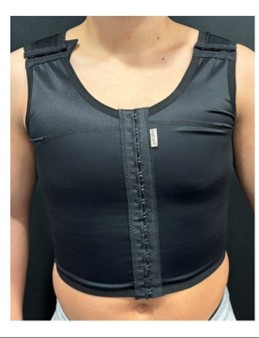
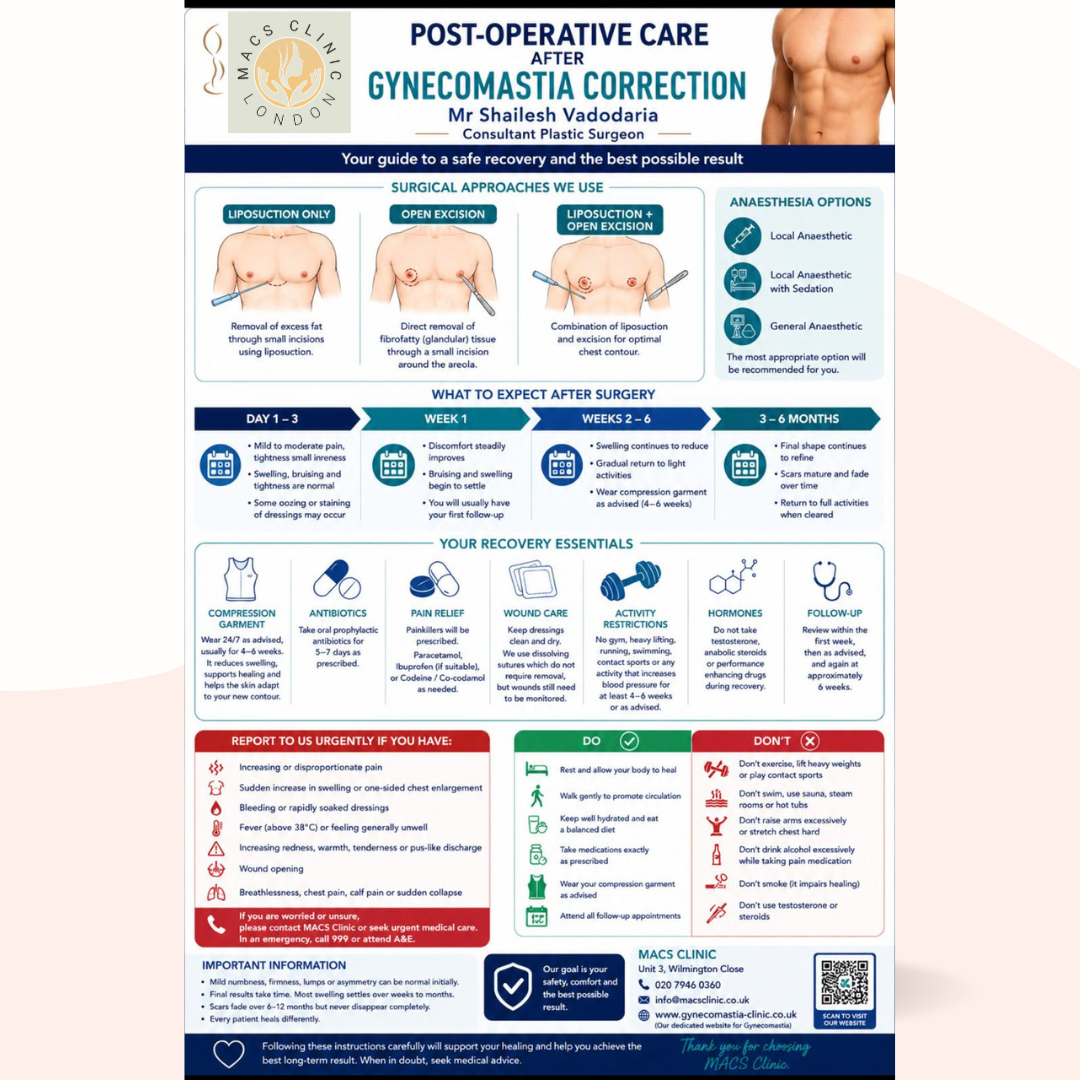
Small dressings are applied over the liposuction entry points and on the suture lines.
Some light staining of the dressing may occur in the first 24–48 hours. However, you should contact the clinic urgently if there is:
- Increasing bleeding
- Rapid soaking of the dressing
- Expanding swelling on one side or both sides
- Severe pain or tightness
- Sudden chest asymmetry
Mr Vadodaria commonly uses dissolving sutures, so formal stitch removal is usually not required. However, wound monitoring is still essential, and follow-up appointments must be attended.
Pain Relief
Pain relief may include:
- Paracetamol
- Ibuprofen, if suitable for you
- Codydramol, if prescribed
Avoid exceeding the recommended dose. Do not take additional paracetamol if your prescribed medication already contains paracetamol.
Ibuprofen may not be suitable for some patients, including those with stomach ulcers, kidney disease, certain asthma patterns, blood-thinning medication, or specific medical conditions. Follow your prescription and clinic advice.
Activity Restrictions
For the first few weeks, avoid activities that may raise blood pressure, increase bleeding risk, or strain the chest.
You should avoid:
- Gym exercise
- Running
- Heavy lifting
- Contact sports
- Swimming until wounds are fully healed
- Excessive arm stretching
- Sauna, steam room and very hot baths
- Alcohol excess
- Any testosterone, anabolic steroid or non-prescribed hormone use during recovery
Testosterone or anabolic steroid use can worsen gynecomastia risk and may compromise your recovery and long-term result.
Follow-Up Schedule
A typical follow-up plan includes:
- First review within the first week
- Further reviews as required depending on healing
- Six-week review to assess swelling, wounds, garment use, and early contour
Further follow-up may be advised if there is persistent swelling, firmness, asymmetry, scar concern, or delayed wound healing.
When to Seek Medical Advice Urgently
Please contact MACS Clinic, your GP, NHS 111, or attend urgent care/A&E depending on severity if you develop:
- Disproportionate or increasing pain
- Sudden increase in swelling
- One or both sides chest enlargement
- Bleeding or rapidly soaked dressings
- Fever or feeling generally unwell
- Increasing redness, warmth or tenderness around the wound
- Yellow/green discharge or offensive smell
- Wound opening
- Breathlessness, chest pain, calf pain or sudden collapse
Uncontrolled bleeding, severe chest pain, breathing difficulty or collapse should be treated as an emergency.
Results and Expectations
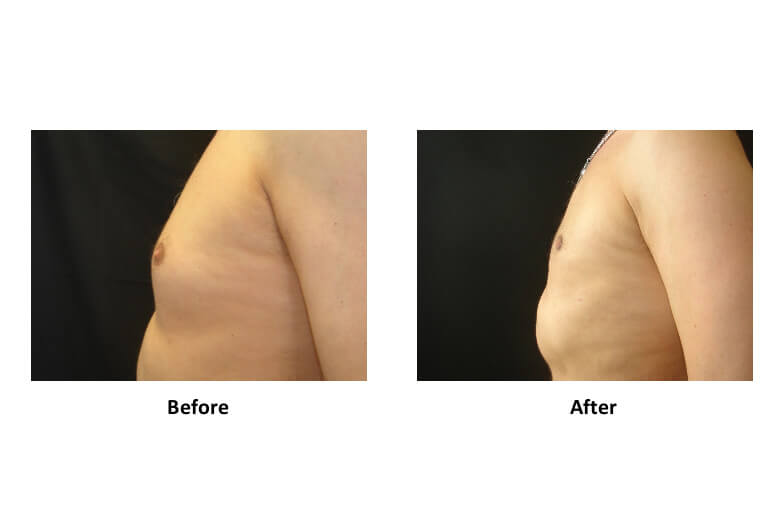
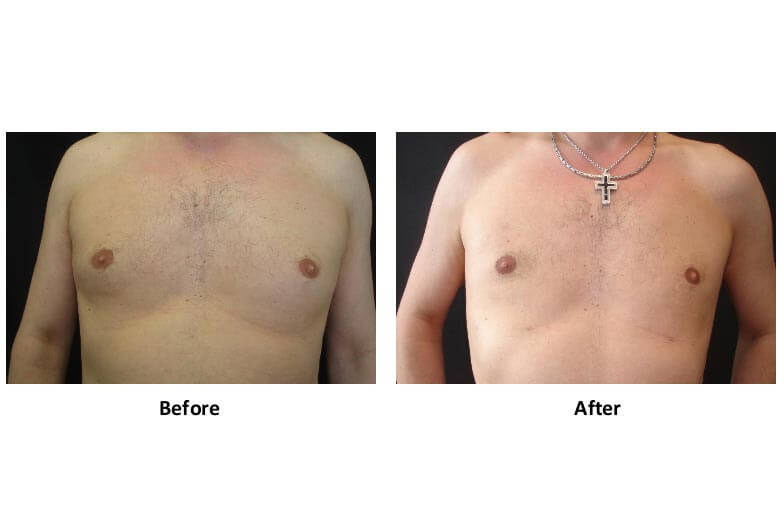
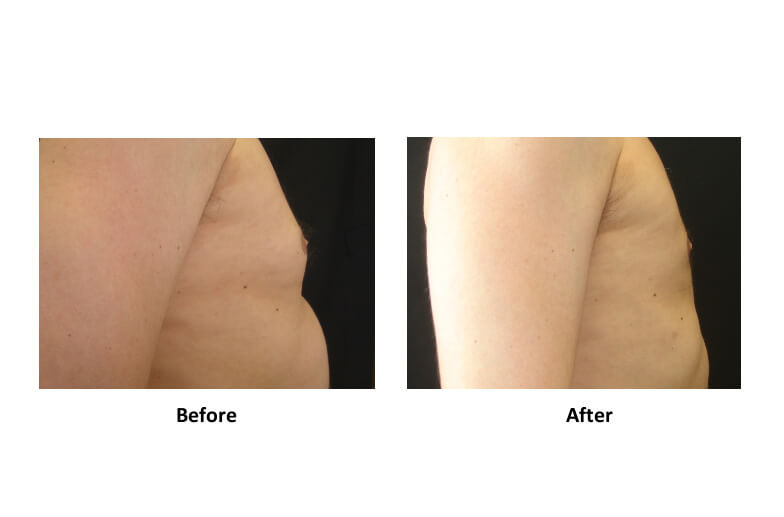
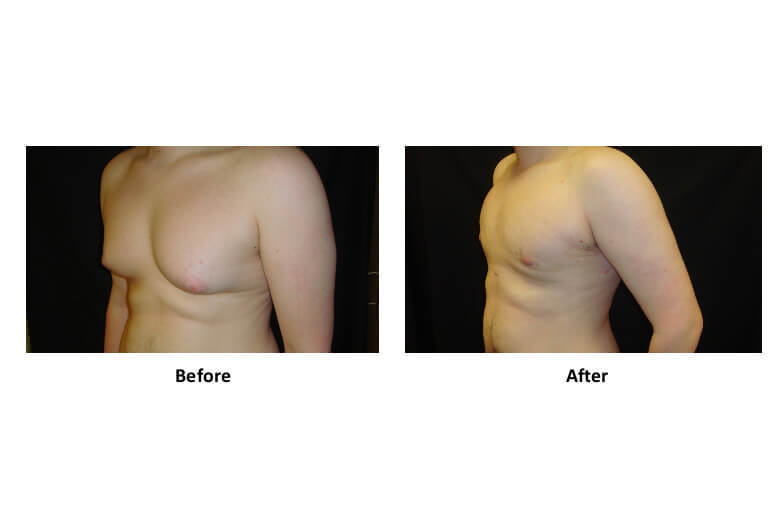
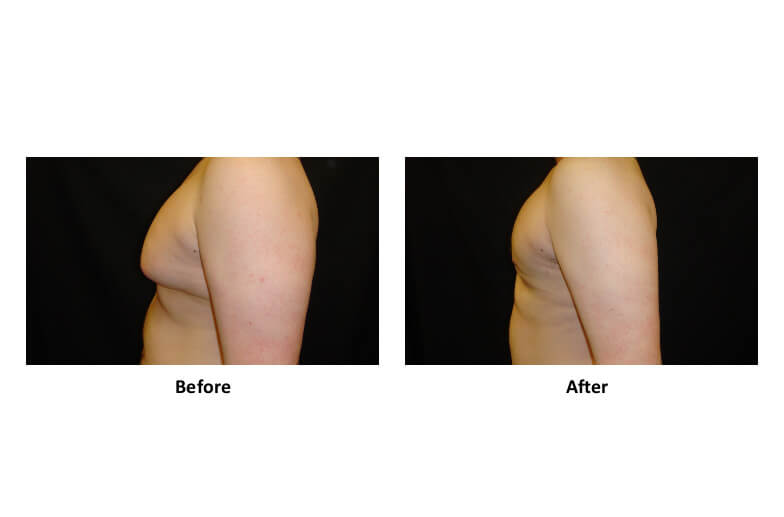
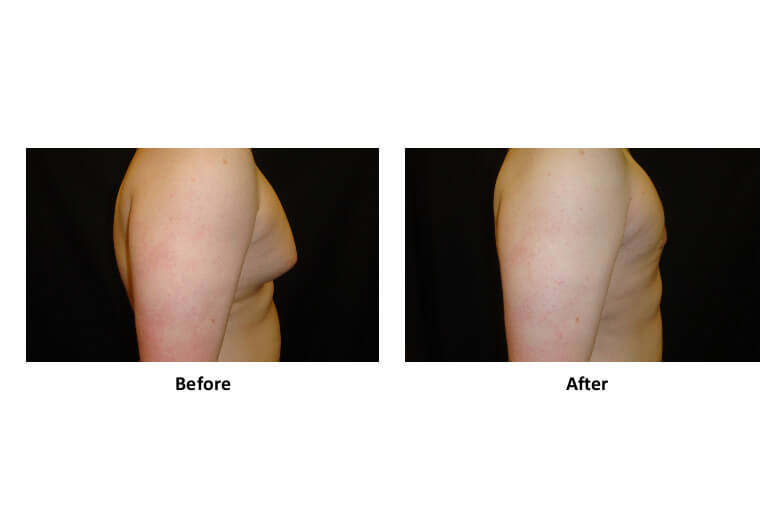
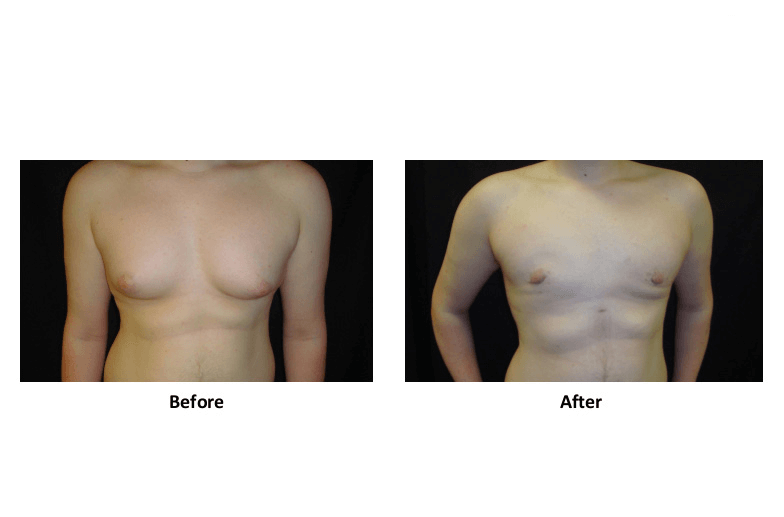
The chest will not show its final result immediately. Early swelling, bruising, numbness and firmness are common. Improvement is gradual, and the contour continues to refine over weeks to months.
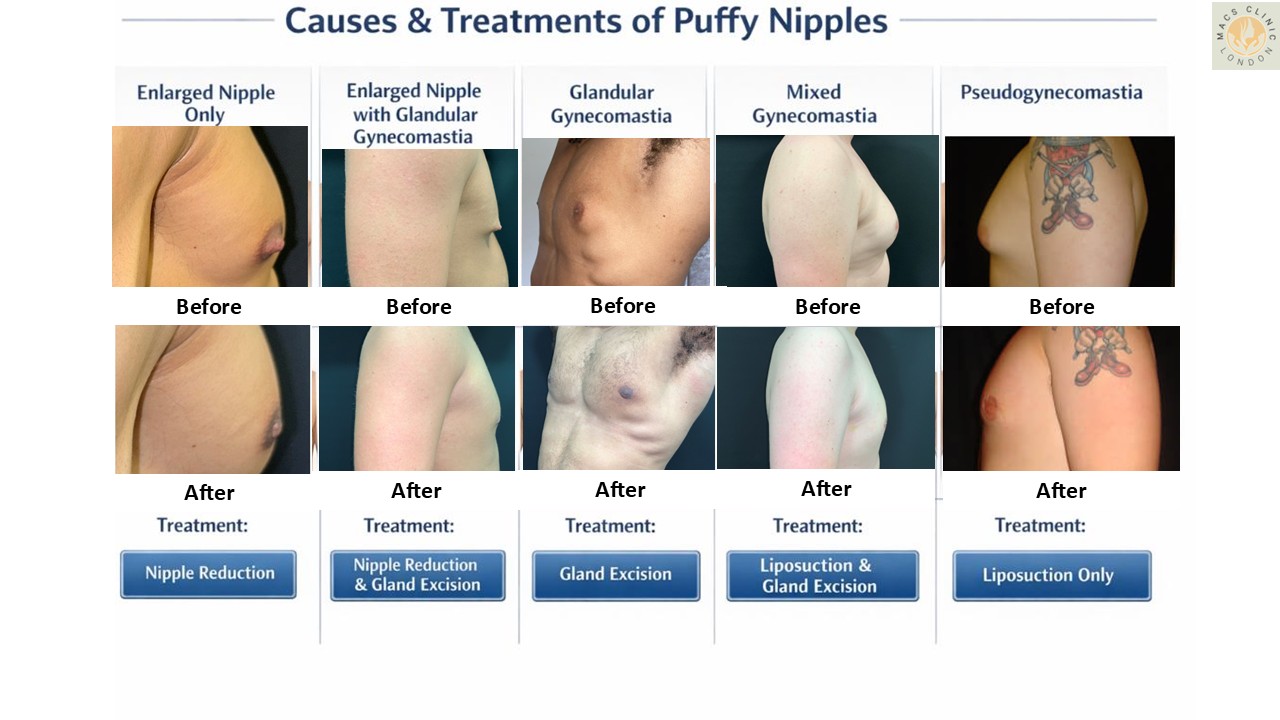
The aim is a flatter, more masculine chest contour, but mild asymmetry, residual swelling, scar maturation and tissue firmness are part of the normal healing process.