
Introduction
At our clinic, your safety, wellbeing, and peace of mind are always our highest priorities.
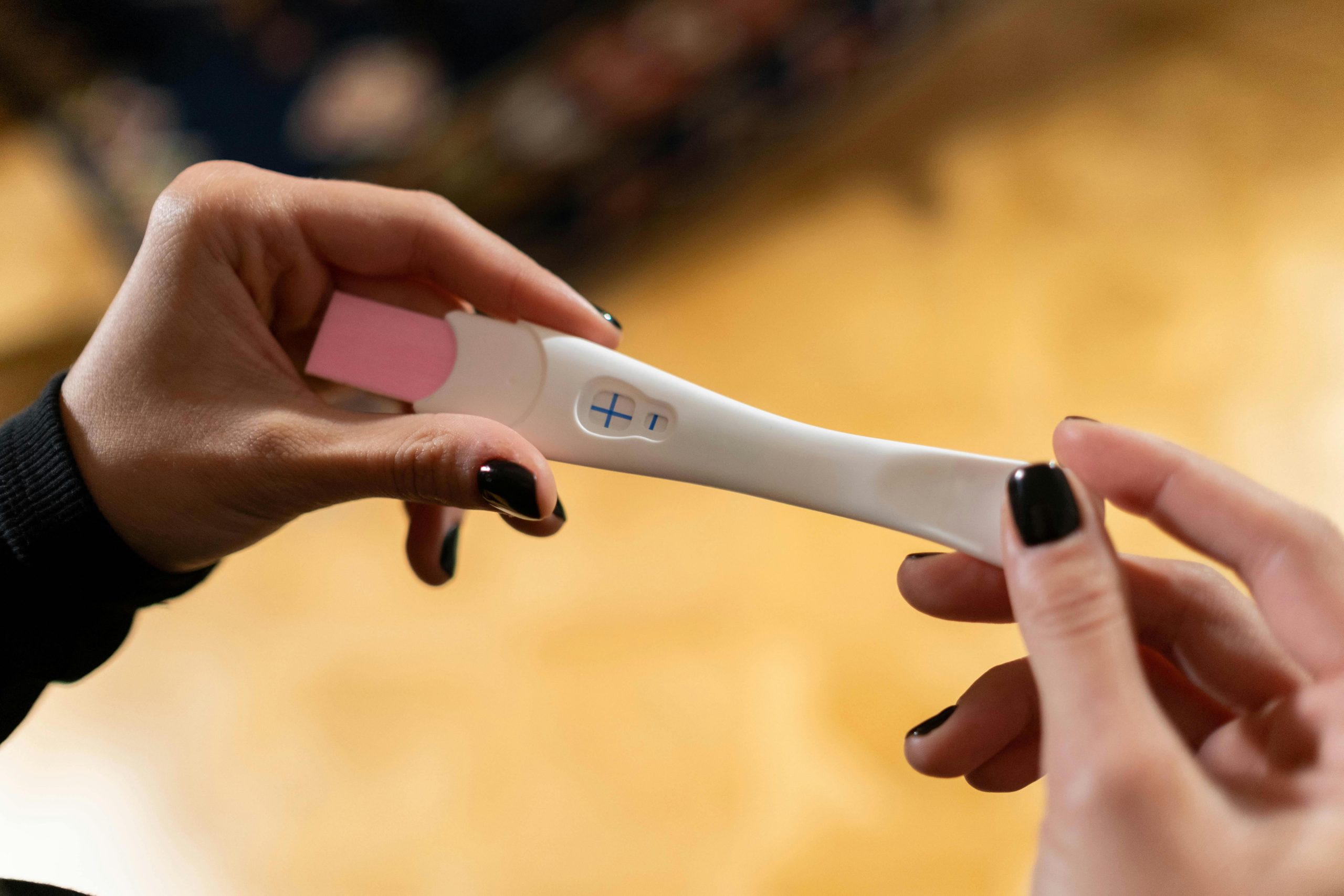
As part of our pre-procedure safety checks, all women of child-bearing age are required to perform a pregnancy test at home the day before their planned procedure and send us a clear photograph of the negative result before starting their journey to the clinic.
This blog explains why this is necessary, what UK guidance says, and why procedures and anaesthesia during pregnancy carry important risks—even when pregnancy is not yet suspected.
Are Pregnancy Tests Before Surgery Recommended in the UK?
Yes. In the United Kingdom, pregnancy testing before procedures and operations is supported by guidance from professional bodies including:
- National Institute for Health and Care Excellence (NICE)
- Royal College of Anaesthetists
- Royal College of Obstetricians and Gynaecologists
These organisations advise that pregnancy should be reasonably excluded before elective surgery or procedures, particularly when:
- Anaesthesia or sedation is involved
- Medications may cross the placenta
- The procedure is not medically urgent
Many women may be unaware they are pregnant, especially in the early weeks, which is why routine testing is considered good clinical practice.
Why Is Pregnancy Important to Identify Before a Procedure?
- Effects of Anaesthesia and Sedation
While modern anaesthetic techniques are very safe, no anaesthetic drug can be guaranteed to be risk-free in early pregnancy.
Potential concerns include:
- Effects on early fetal development
- Increased risk of miscarriage in the first trimester
- Altered maternal physiology affecting blood pressure, oxygenation, and circulation
Even procedures performed under local anaesthetic may still involve medications that are not recommended during pregnancy.
- Surgical and Procedural Risks During Pregnancy
Pregnancy causes natural changes in the body, including:
- Increased blood volume and clotting tendency
- Increased risk of nausea, aspiration, and reflux
- Altered wound healing and infection risk
Elective procedures during pregnancy may:
- Increase stress on the body
- Carry unnecessary risk to both mother and unborn baby
- Lead to difficult ethical and emotional decisions if complications arise
For these reasons, elective aesthetic and non-urgent procedures are usually postponed until after pregnancy.
Why We Ask for a Pregnancy Test the Day Before Surgery
Over many years of clinical practice, we have encountered situations where:
- Patients arrived fully prepared for surgery
- A routine pregnancy tests on the day were unexpectedly positive
- The patients had no symptoms and no suspicion of pregnancy
This can be:
- Emotionally overwhelming for the patients
- Distressing when discovered on the day of surgery
- Disruptive to operating theatre schedules
- Difficult for patients who have taken time off work, arranged childcare, or travelled long distances
Our current protocol aims to prevent this distress.
Our Current Safety Protocol (In Place for Over One Year)
To protect our patients and ensure smooth, safe care:
✔ A home urine pregnancy test must be performed the day before surgery
✔ A clear photo of the negative test must be sent to the clinic
✔ This must be done before you start your journey
✔ If there is any uncertainty, the procedure will be postponed
This approach:
- Respects patient dignity
- Prevents last-minute emotional shock
- Avoids unnecessary cancellations on the day
- Aligns with best practice and patient-centred care
What If the Test Is Positive?
If your test is positive:
- Please do not attend the clinic
- Inform our team as soon as possible
- We will offer support, guidance, and appropriate next steps
Your health and wellbeing always come first.
A Message of Reassurance
We understand that pregnancy testing may feel unexpected or inconvenient.
However, this simple step is taken out of care, responsibility, and respect—for:
- Your physical safety
- Your emotional wellbeing
Our intention is never to cause anxiety, but to prevent avoidable distress and ensure the highest standards of care for our patients’ safety.