Monday - Friday: 9.30 am to 6.00 pm, Saturday - By Prior AppointmentUnit 3, Wilmington Cl, Watford WD18 0AF
Home » News » Nipple Aesthetics in Men and Women: A Comprehensive Guide from MACS Clinic, Watford (London)
Nipple Aesthetics in Men and Women: A Comprehensive Guide from MACS Clinic, Watford (London)
Posted on: 9 Apr 2026
Nipple aesthetics is an often under-discussed yet clinically significant component of breast and chest harmony. At MACS Clinic, Watford (London), we increasingly see patients—both women and men—seeking consultation for concerns related to nipple shape, projection, and position.
These concerns are rarely superficial. They frequently intersect with:
Self-esteem and body confidence
Intimate relationships
Clothing choices and lifestyle comfort
Functional aspects such as breastfeeding
This blog outlines the science, psychology, and surgical principles underpinning nipple aesthetic treatments in our practice.
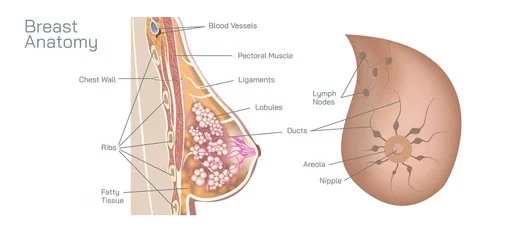
The nipple–areola complex (NAC) is a highly specialised anatomical unit, composed of:
Lactiferous ducts
Smooth muscle fibres
Dense neurovascular supply
Its projection and symmetry play a key role in:
Breast aesthetics in women
Chest contour in men
Inverted Nipple in Women: Clinical Significance and Management
Why do patients seek correction?
Patients commonly report:
Reduced self-confidence, especially in intimate settings
Difficulty wearing certain clothing (e.g. fitted garments, swimwear)
Challenges with breastfeeding (particularly in moderate to severe inversion)
Grading of Inverted Nipple (Han & Hong Classification)
A structured classification is critical for treatment planning:
Grade I (Mild)
Easily protractable manually
Maintains projection temporarily
Minimal fibrosis
Grade II (Moderate)
Can be pulled out but retracts quickly
Moderate fibrosis
Lactiferous ducts may be shortened
Grade III (Severe)
Difficult or impossible to evert manually
Dense fibrosis and ductal tethering
Often associated with functional impairment (including breastfeeding)
Non-Surgical Options
For selected Grade I and early Grade II cases:
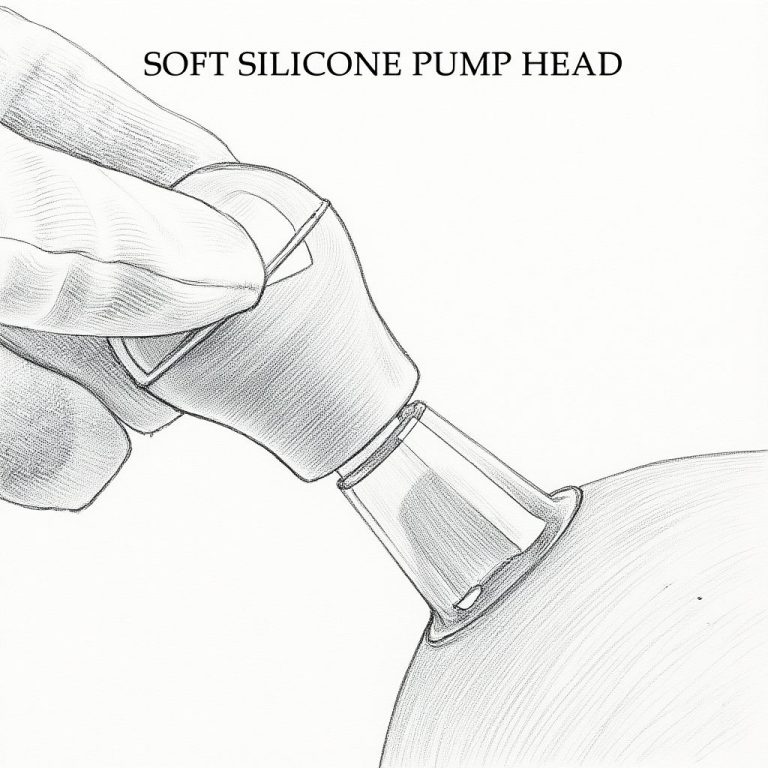
Suction Devices (e.g., Nipplex / Niplette)
Apply negative pressure to evert the nipple
Require consistent, prolonged use
Variable long-term success
👉 These are often adjuncts rather than definitive solutions
Gentle suction draws out flat or inverted nipples
Surgical Correction of Inverted Nipple
Surgical intervention remains the gold standard for:
Grade II–III inversion
Recurrent inversion after conservative treatment
Principles of Surgery
Release of fibrous bands
Preservation (where possible) of lactiferous ducts
Structural support to maintain projection
Postoperative Splinting (Key Point)
At MACS Clinic, we emphasise:
External splinting of the nipple
Maintains projection during healing
Reduces recurrence rates, which is a known challenge in this condition
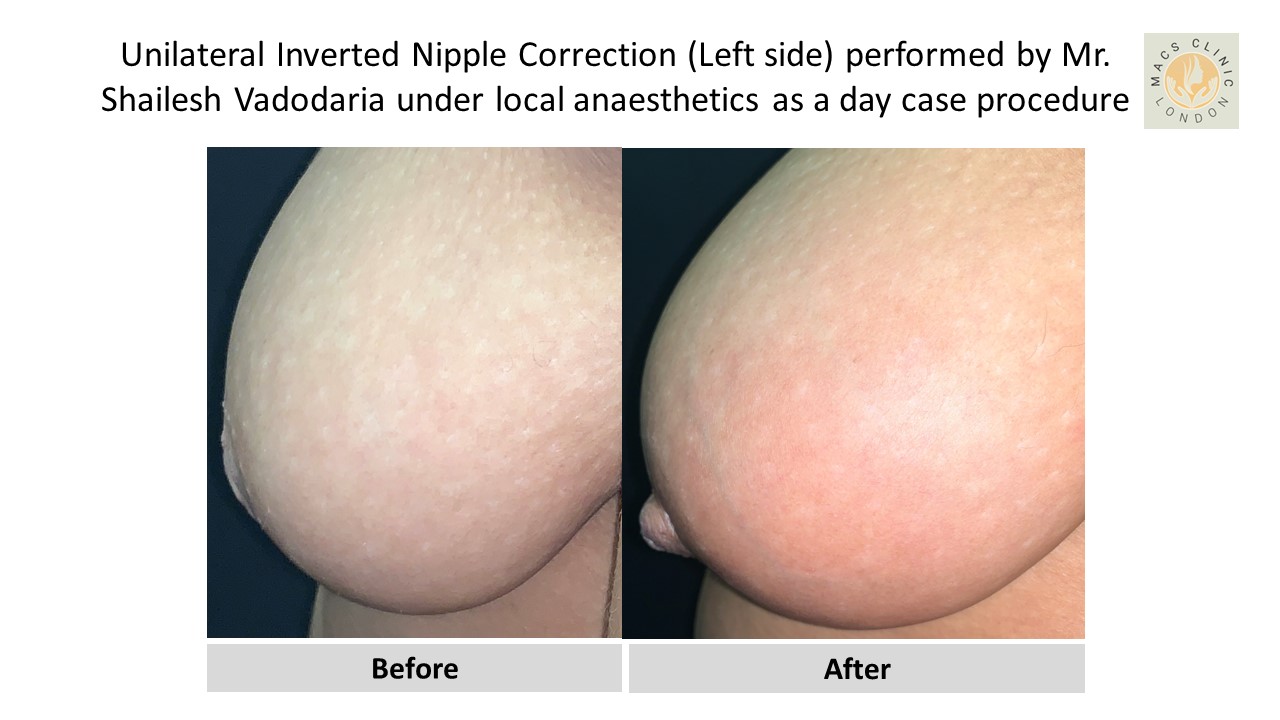
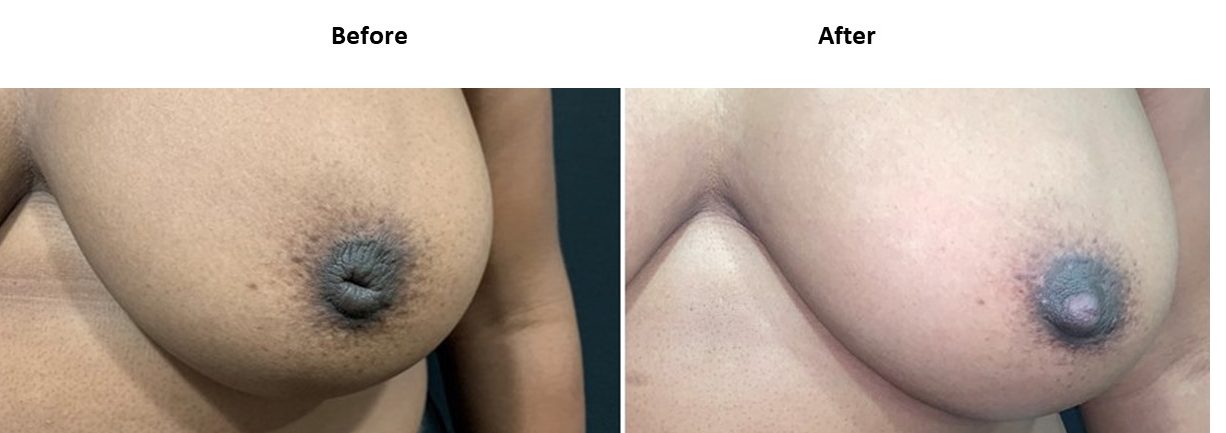
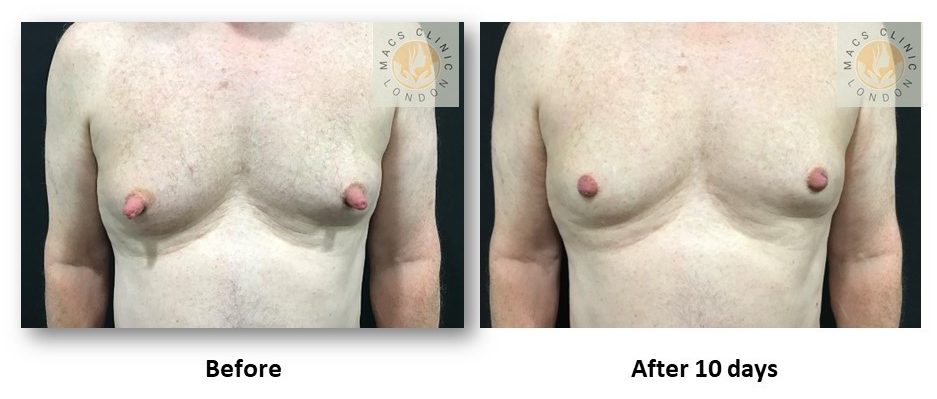
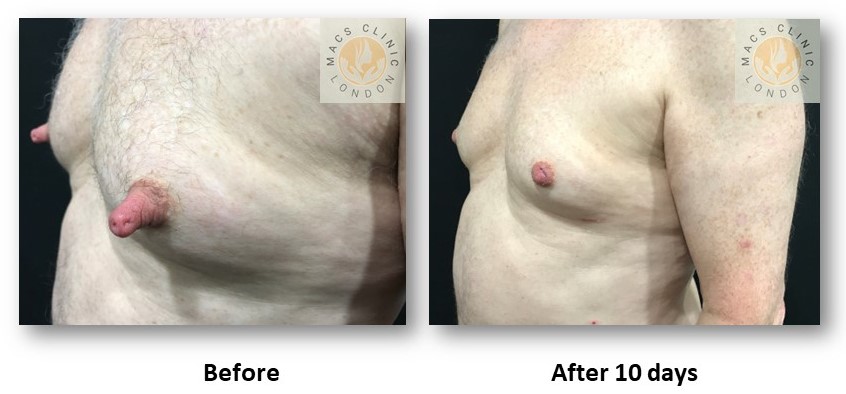
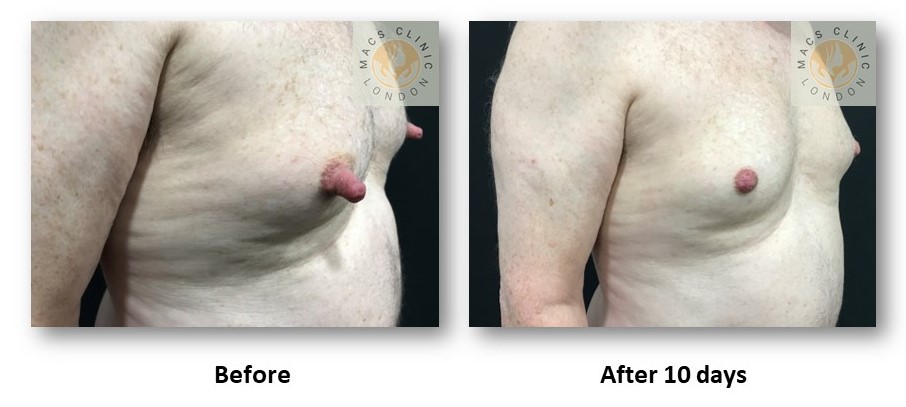
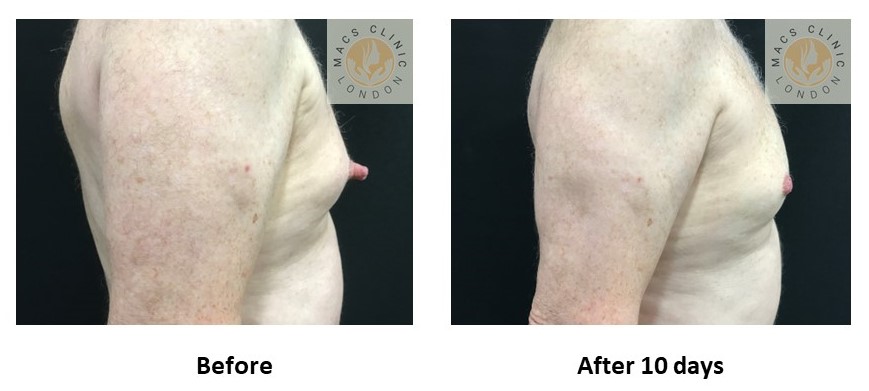
Patient 1
Patient 1
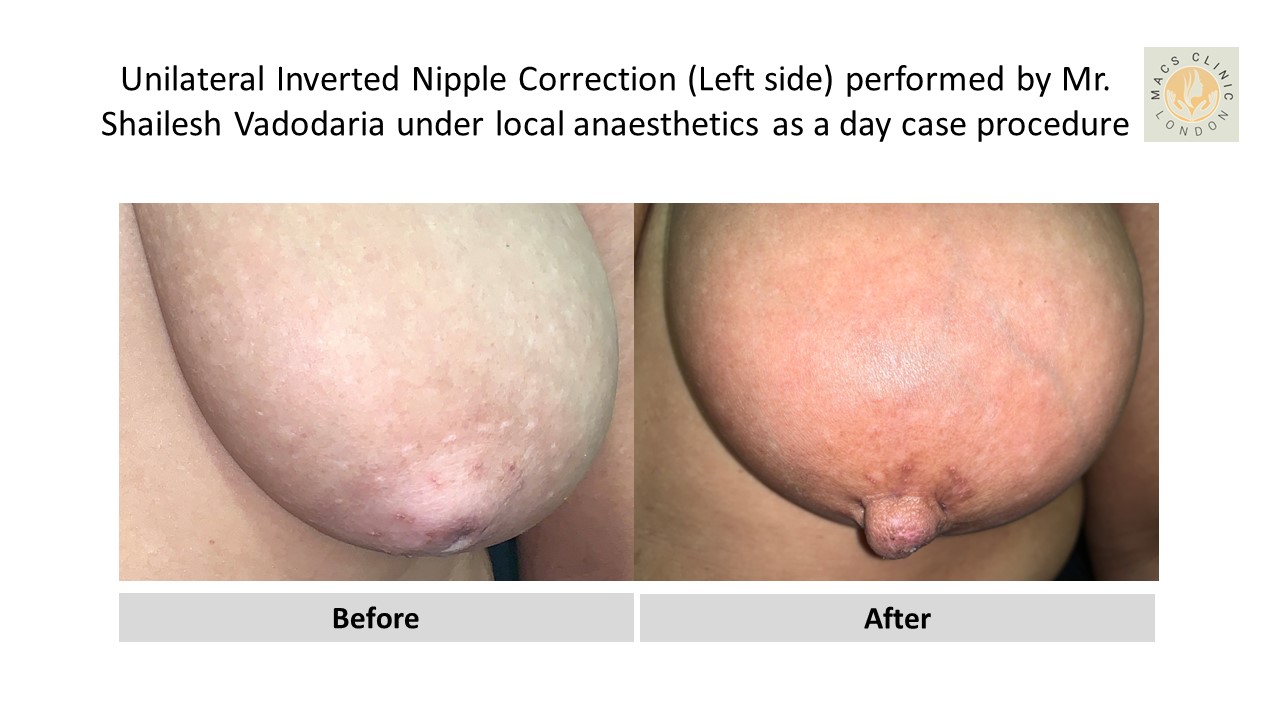
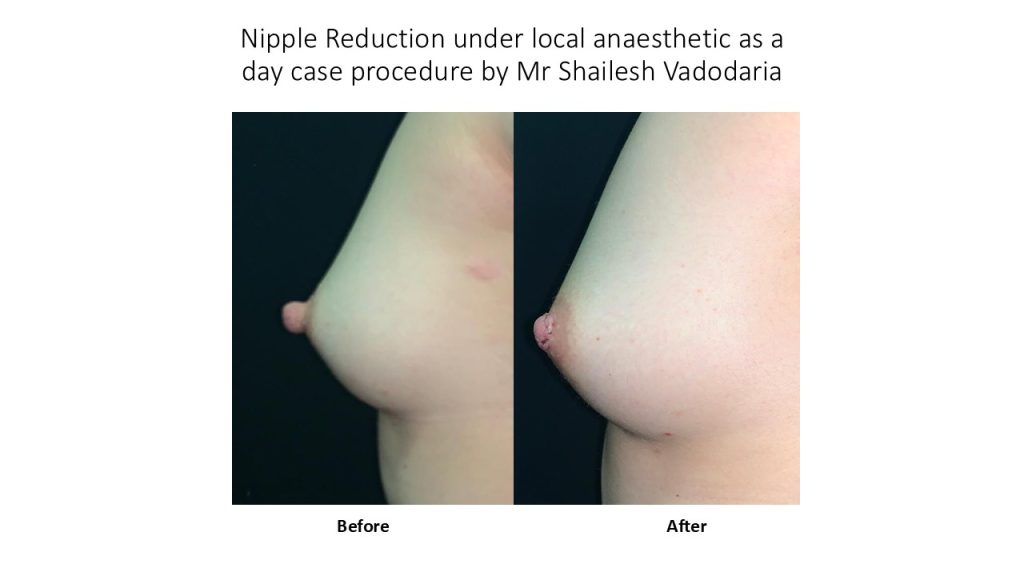
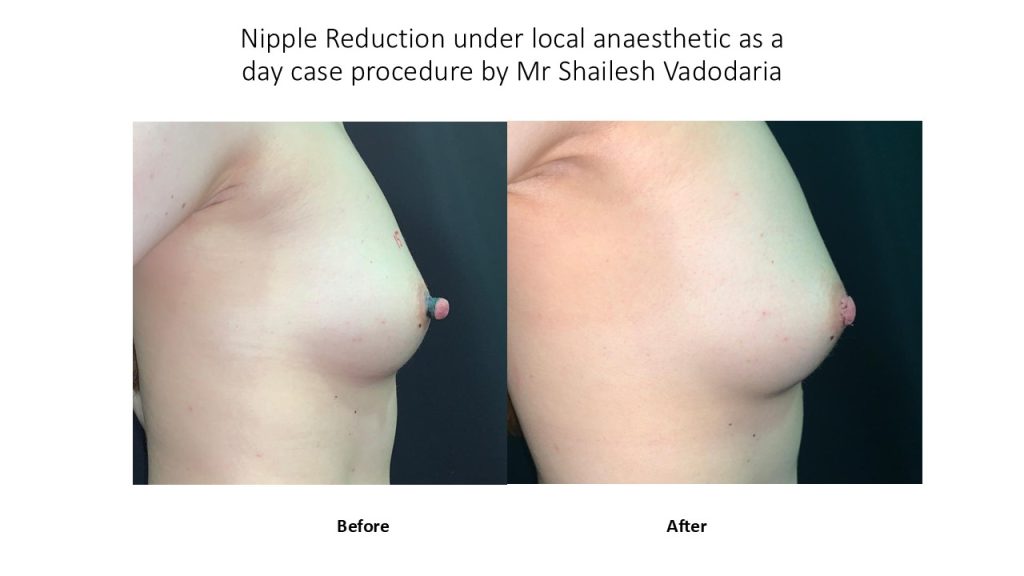
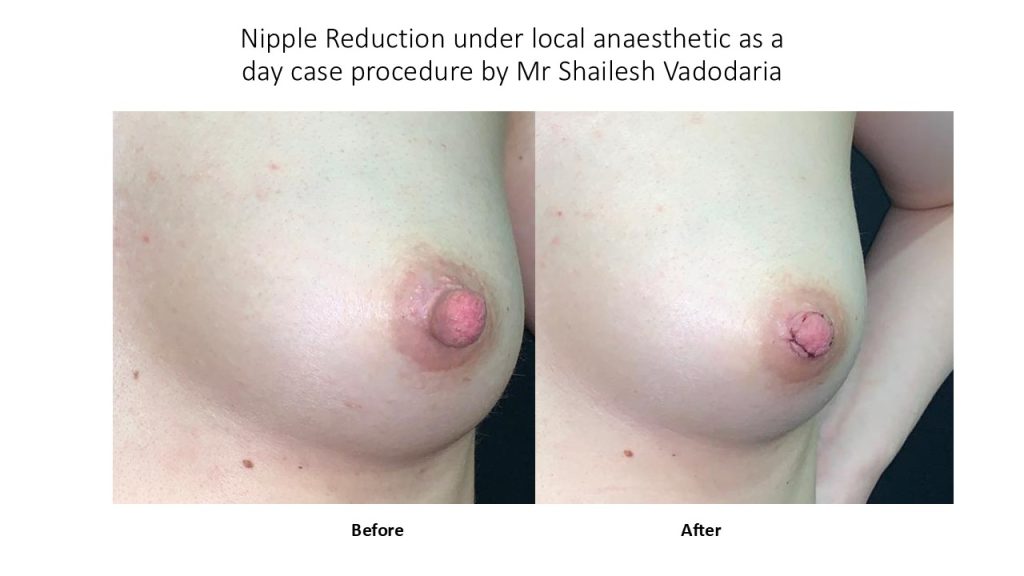
Patient 2: Unilateral (Left side) inverted nipple correction performed under local anaesthetics by Mr. Shailesh Vadodaria as a day case procedure
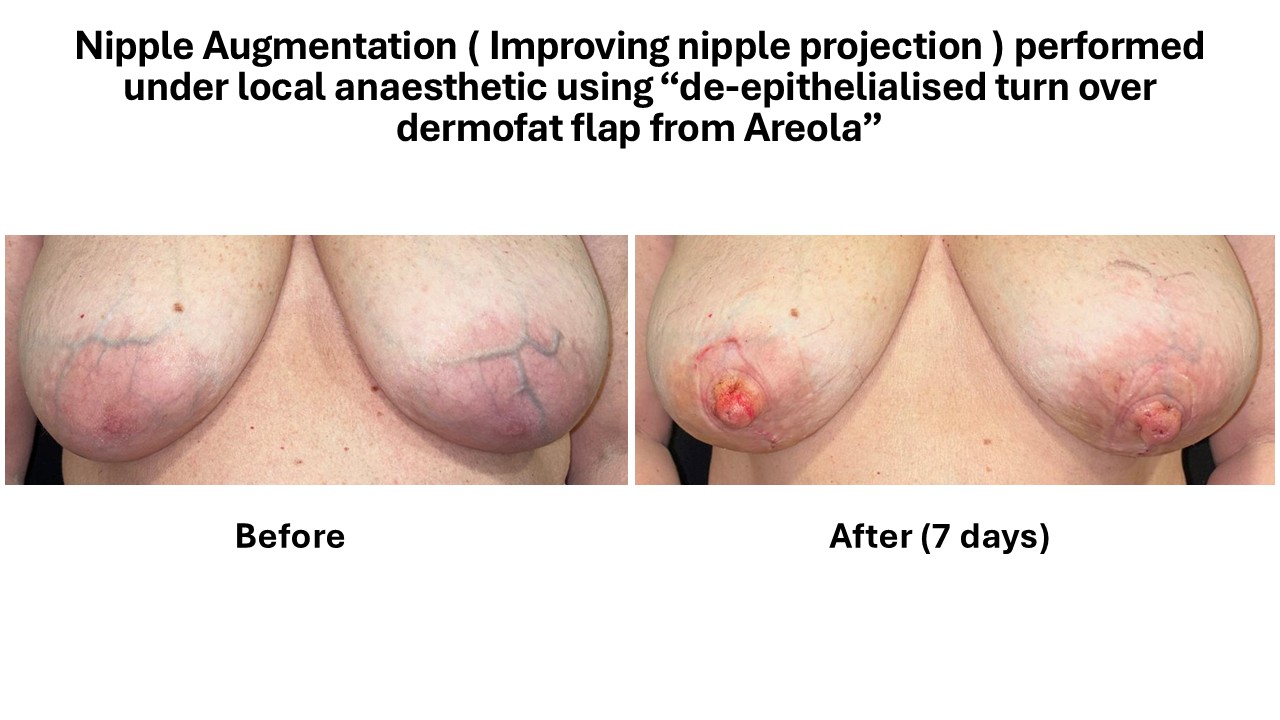
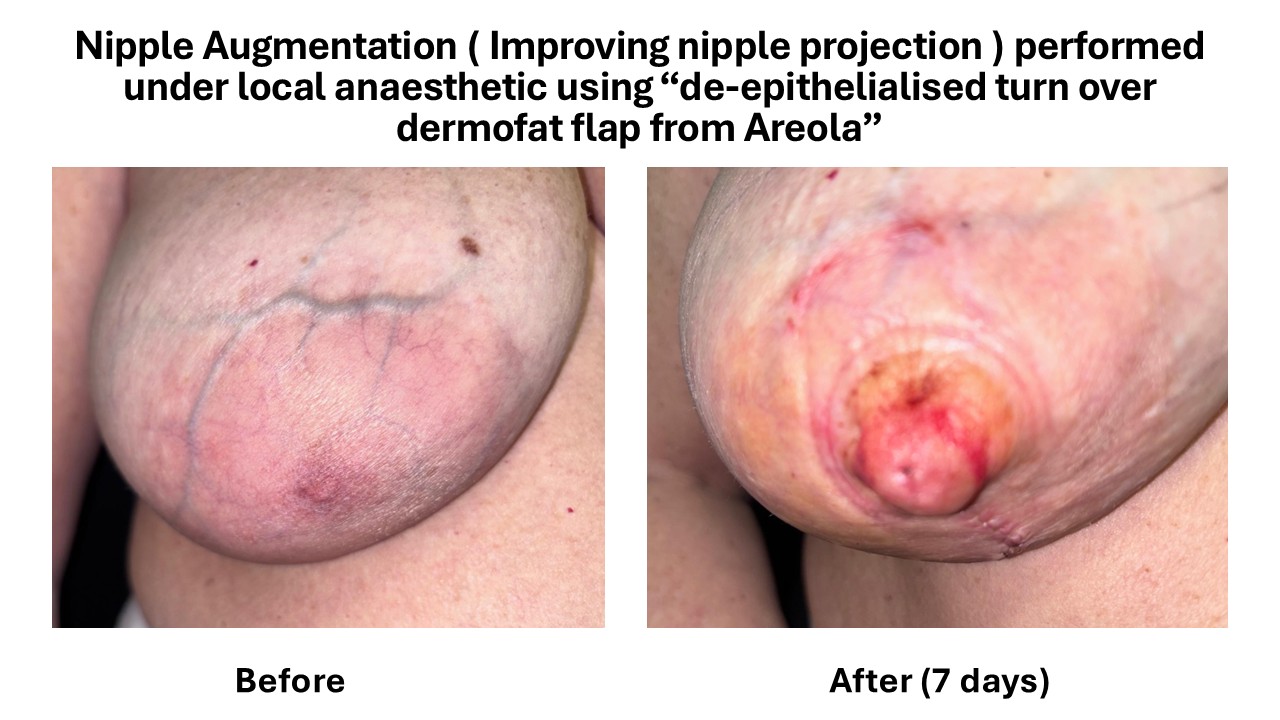
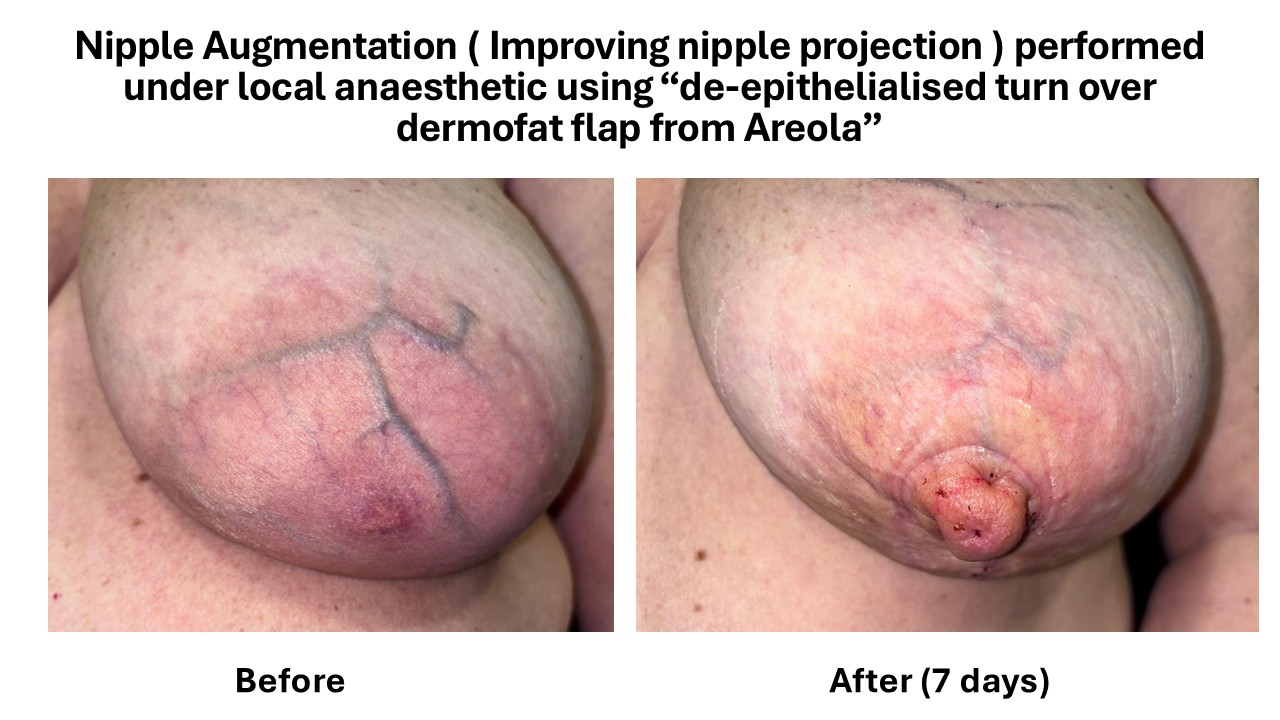
A Unique Case: Nipple Augmentation Without Inversion